Blog
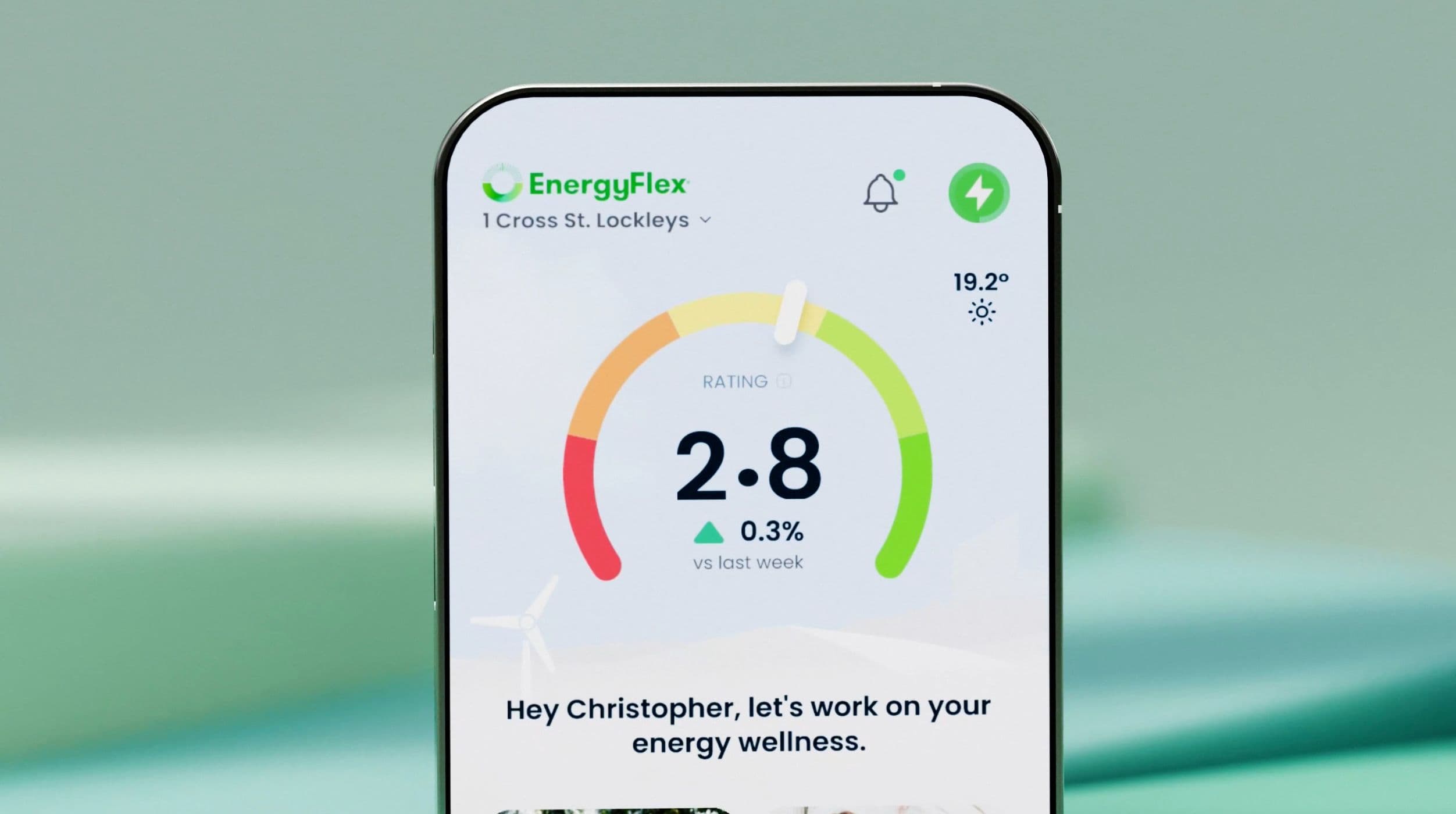
EnergyFlex wins a 2026 Good Design Award for digital design
The EnergyFlex app has won a 2026 Australian Good Design Award in the Digital, Apps and Software category. It is credited to EnergyFlex and CodeFish Studio. Congratulations to the EnergyFlex team. EnergyFlex is a free platform that helps households, renters and businesses understand their electricity. It reads smart meter data through the Consumer Data Right and turns it into a few clear answers:
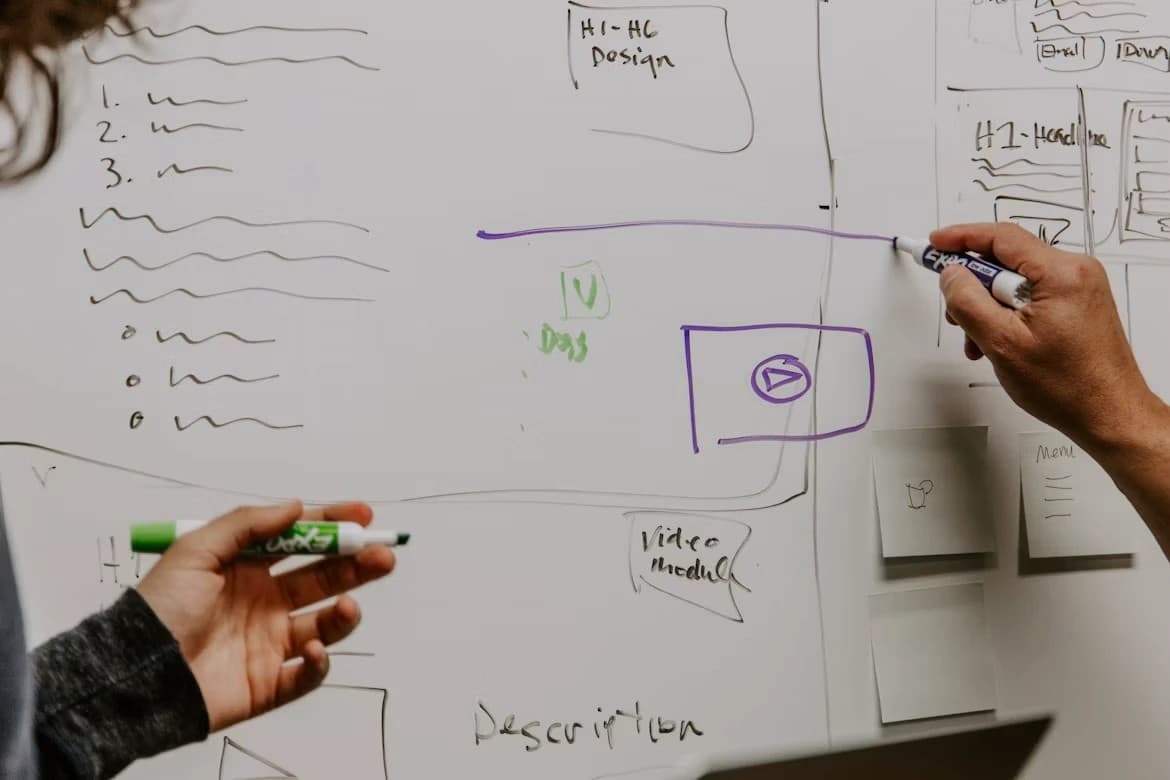
Software that sticks. How to get it right.
Six weeks after launch, the operations manager opens the new job system to pull the monthly report. The dashboard looks the way it did in the demo. Clean charts, every job in its column. Then he notices half the jobs closed at 4:58pm on a Friday, and most of them have the same three-word note. He walks out to the yard and finds the real system. It's a spreadsheet on a shared laptop, and a whiteboa

Craig, Fiona and Sharon: why your business shouldn't run on three people
Craig has been with the business for 11 years. Every morning he exports orders from the online store, cleans them up in a spreadsheet and keys them into the accounting system. Nobody asked him to. He just saw the gap and filled it. Craig is your integration layer. Fiona runs the numbers. Every Monday she pulls figures from four systems, lines them up by hand and sends the owner a report. She knows
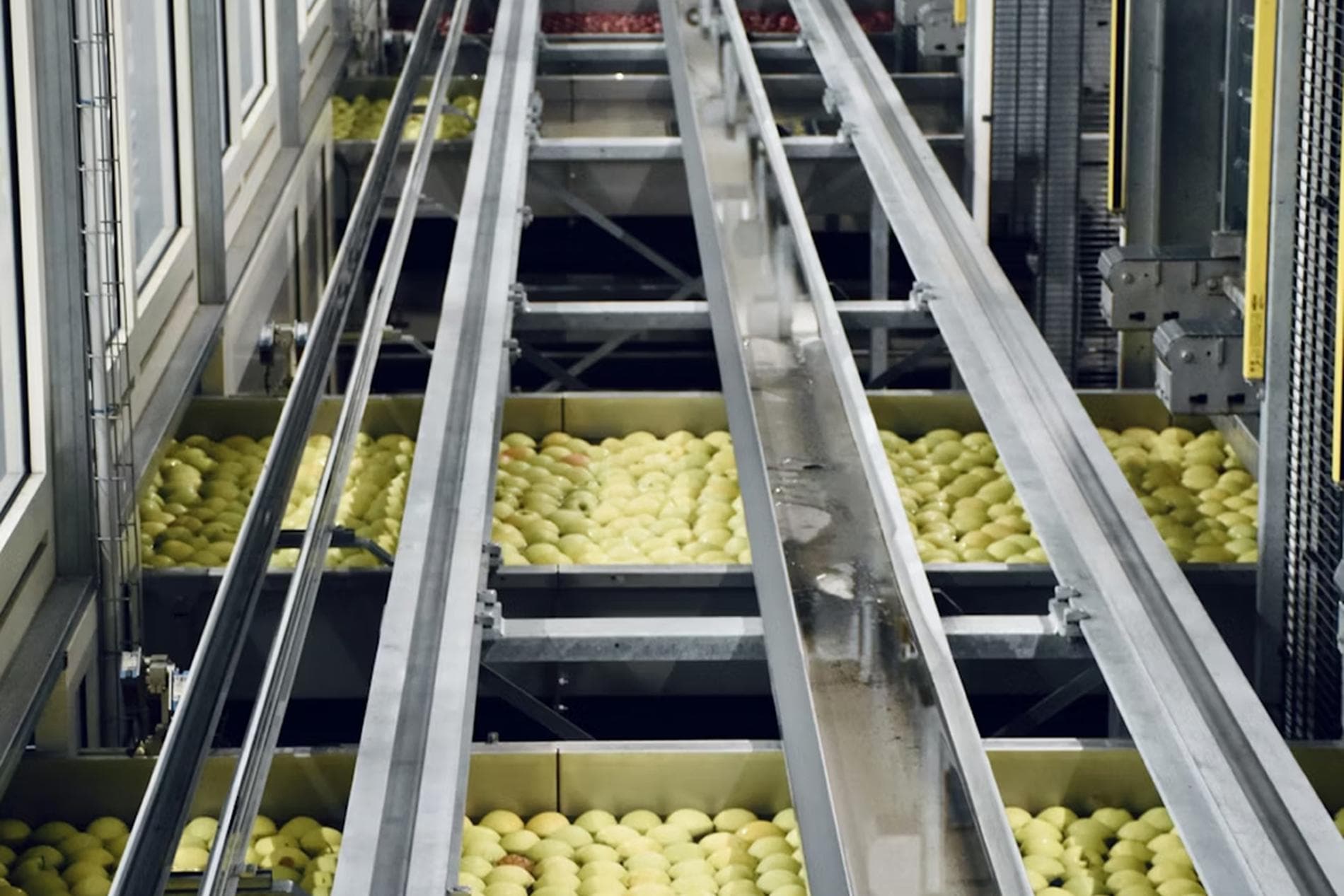
Food safety records your floor staff will actually fill in
Walk any food production floor at 2pm and look at the clipboard by the cooler. Odds are the temperature checks for the whole shift are filled in, in the same pen, with the same handwriting, at the same time. Nobody is trying to cheat. The check takes 30 seconds, the line is running, their gloves are wet, and the form is three steps away. So it gets done later, from memory. Your auditor knows it, a

Your machines have data. Your supervisors can't use it.
Most manufacturers we meet are not short of data. Their machines log cycle times, stoppages, temperatures and counts every few seconds. Some of them paid a lot to get it. Then we ask the shift supervisor what they look at to run the shift. The answer is almost always a whiteboard, a walk of the floor, and a gut feel. The data is there. It just never gets to the person who could act on it, in a for

The real cost of the spreadsheet holding your business together
Every business we work with has one. A spreadsheet that started as a quick fix five years ago and now runs something important. In a food plant it tracks batches and allergens. On a building site it is the variations register. In a factory it is the production schedule that someone rebuilds every Friday afternoon. It works. Mostly. And because it works, nobody puts a cost on it. So let us do that.

Where we won't put an AI agent, and what we do instead
We build AI agents into businesses for a living, so the question we get asked is where they work. The more useful answer is where they do not, because that is the shorter list and it is the one that saves you money. An agent is good at reading messy inputs, making a judgement under uncertainty, and doing it at a scale a person cannot. That combination is genuinely valuable. It is also the wrong to

AI is just a tool. Start with the problem, not the model.
Almost every strategy workshop I sit in ends the same way. Someone writes the problem on the whiteboard, the room talks for an hour, and the answer at the bottom says "use generative AI". That is not an answer. That is a tool looking for a job. In 2012 every business needed an app. In 2016 it was blockchain. In 2019 it was IoT sensors on everything. Each time, the question in the room was "what ca