People in the field don’t have time to fight bad software. We build tools that fit the way your team already works, and hold up when the connection drops or the person using them would rather be anywhere but on a screen.
AgTech
Designing for real agricultural workflows
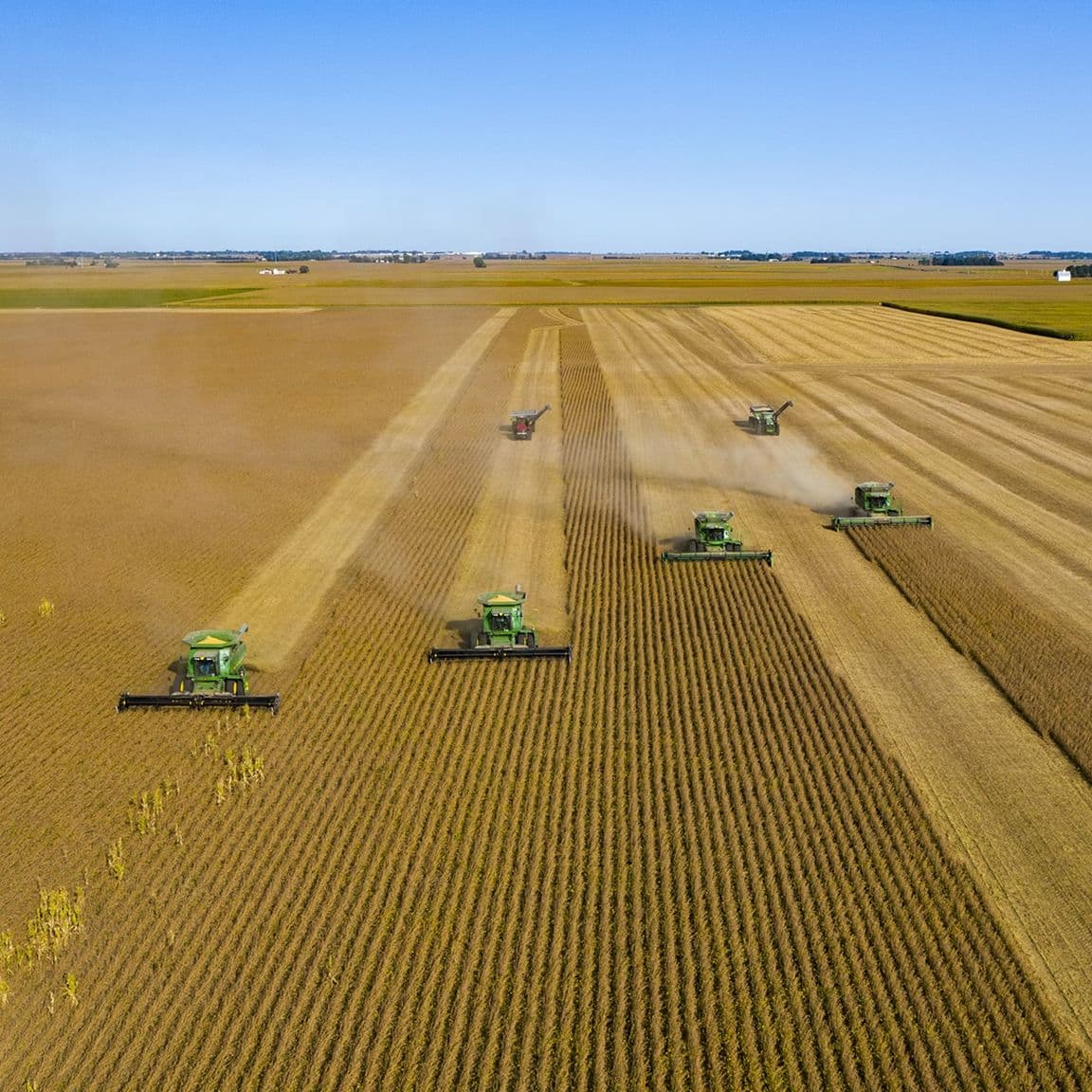
From idea to production – without overbuilding
We work with AgTech founders and product teams to cut risk early and get to market faster. The way we work is simple:
- We learn from you to pin down the real problem behind the idea
- We map how farmers, operators, and admin staff actually work
- We find the friction points and work out how to remove them
- We prototype and test with real users before building the full thing
- We build and ship software your customers can rely on
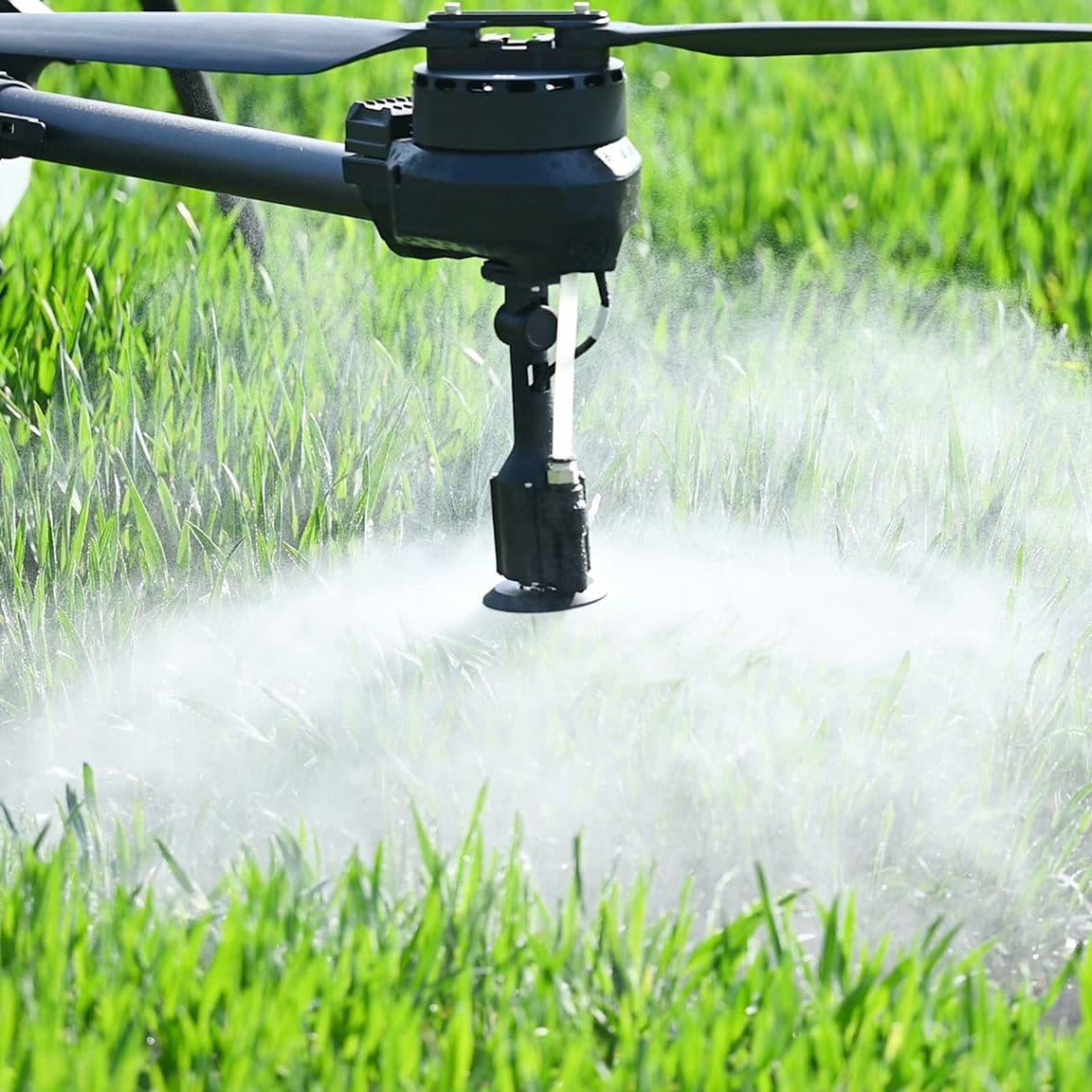
Data and integrations done properly
Most farm platforms have to talk to a lot of other systems to be useful. We regularly connect to:
- Mapping and geospatial data
- Farm management tools, ERPs, and CRMs
- Sensor, GPS, and telemetry feeds
- Reporting, compliance, and traceability workflows
We build in validation, fallbacks, and clear data contracts so your software keeps working when the data coming in doesn’t.
The systems your platform has to agree with
Each of these is a page in its own right. Quality records, stock movements and the ledger are usually separate systems, and traceability breaks at the joins between them.
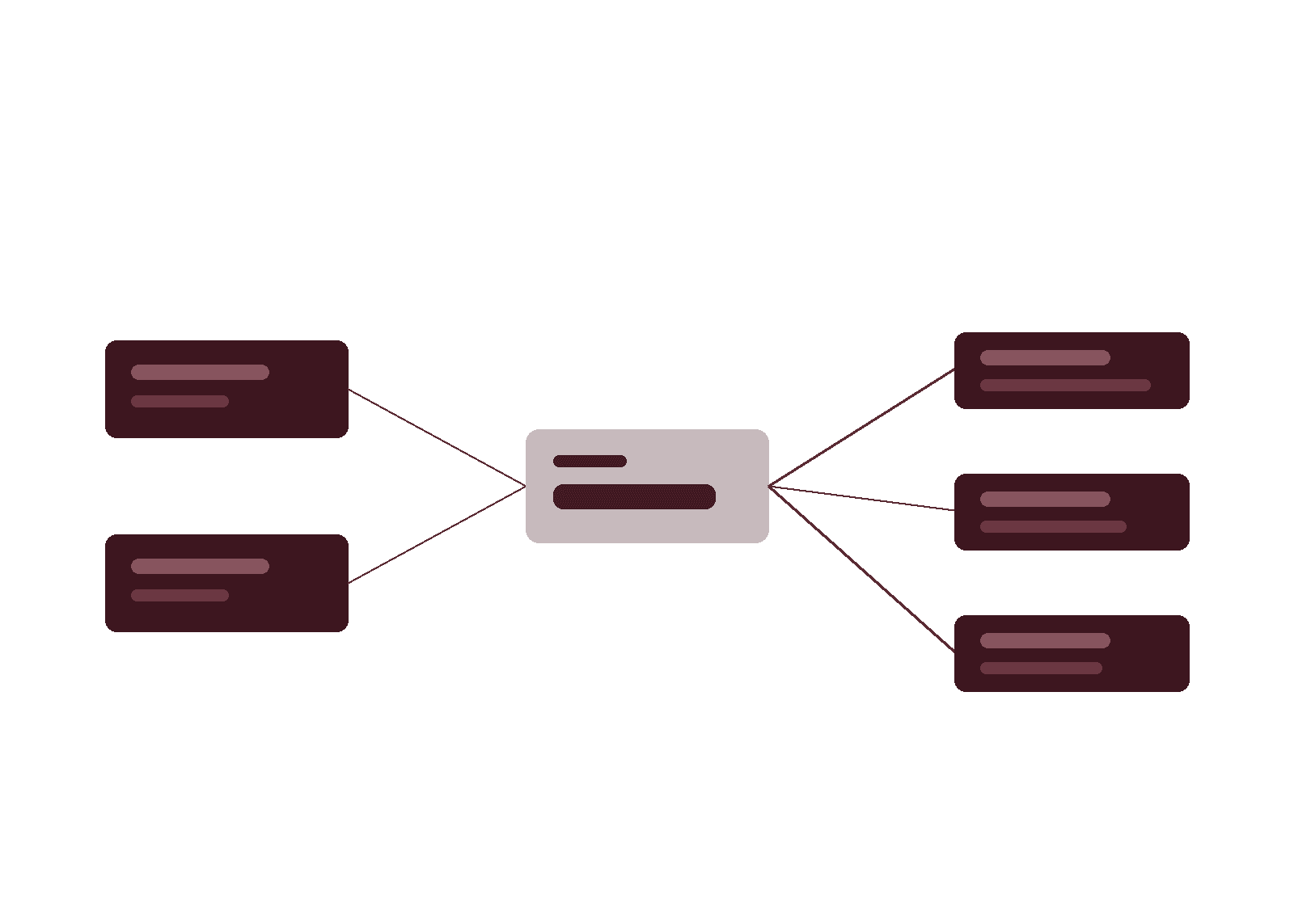
Food and beverage traceability
Batch and provenance carried from the paddock to the pack, so your data holds up to a buyer’s audit.
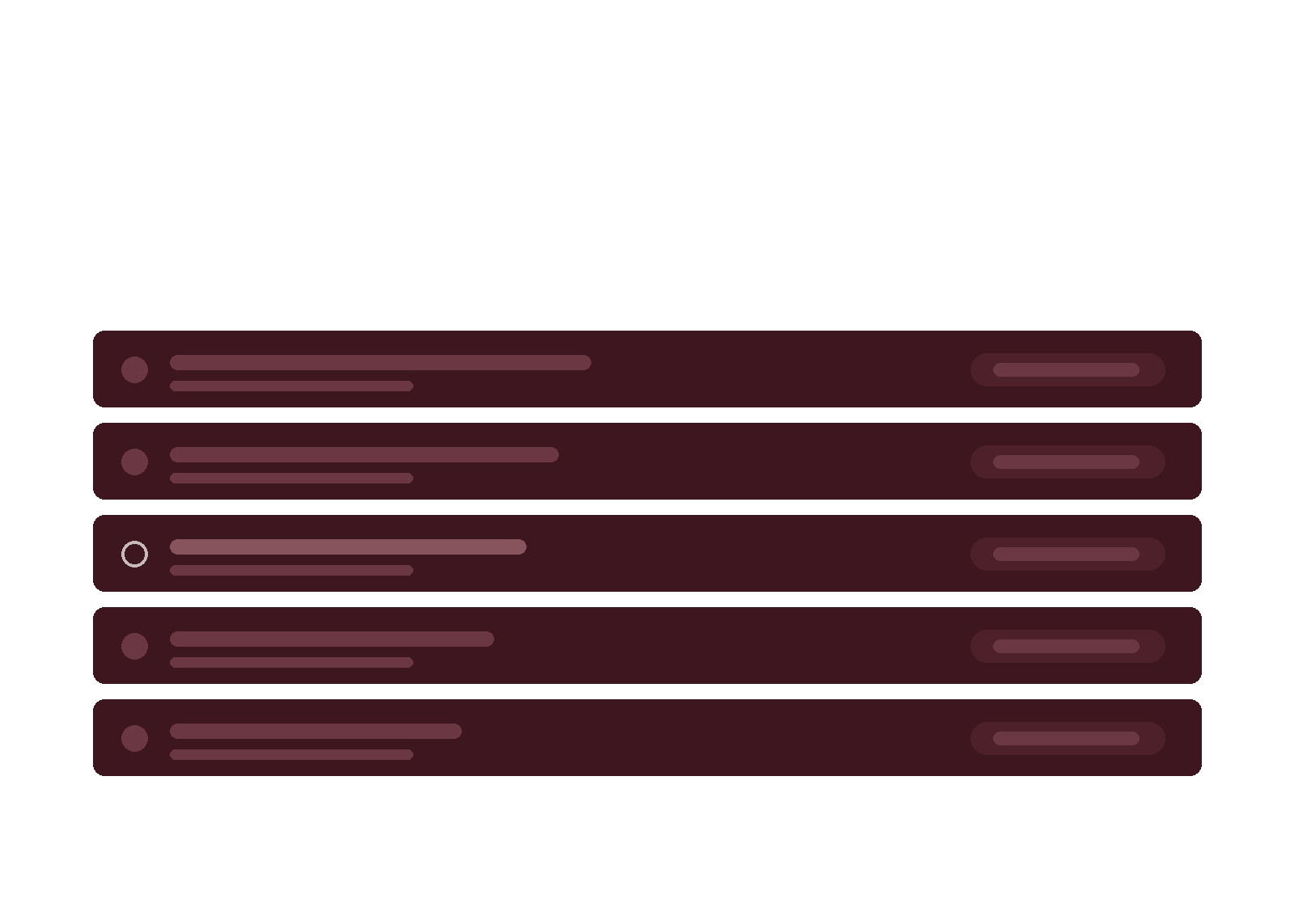
Systems integration
Grading, food safety and quality records joined to stock and finance, so corrective actions do not get lost between systems.
Warehouse management
Inputs and packed product with real locations and batch codes, so stock on hand matches what is in the shed.
ERP integration
Cost per hectare, grower payments and invoicing in one ledger rather than exported and rekeyed each month.
AgTech shifts with the seasons, the region, and the rules. We build software that bends to all three, and to the different people who use it.
How we work with AgTech teams
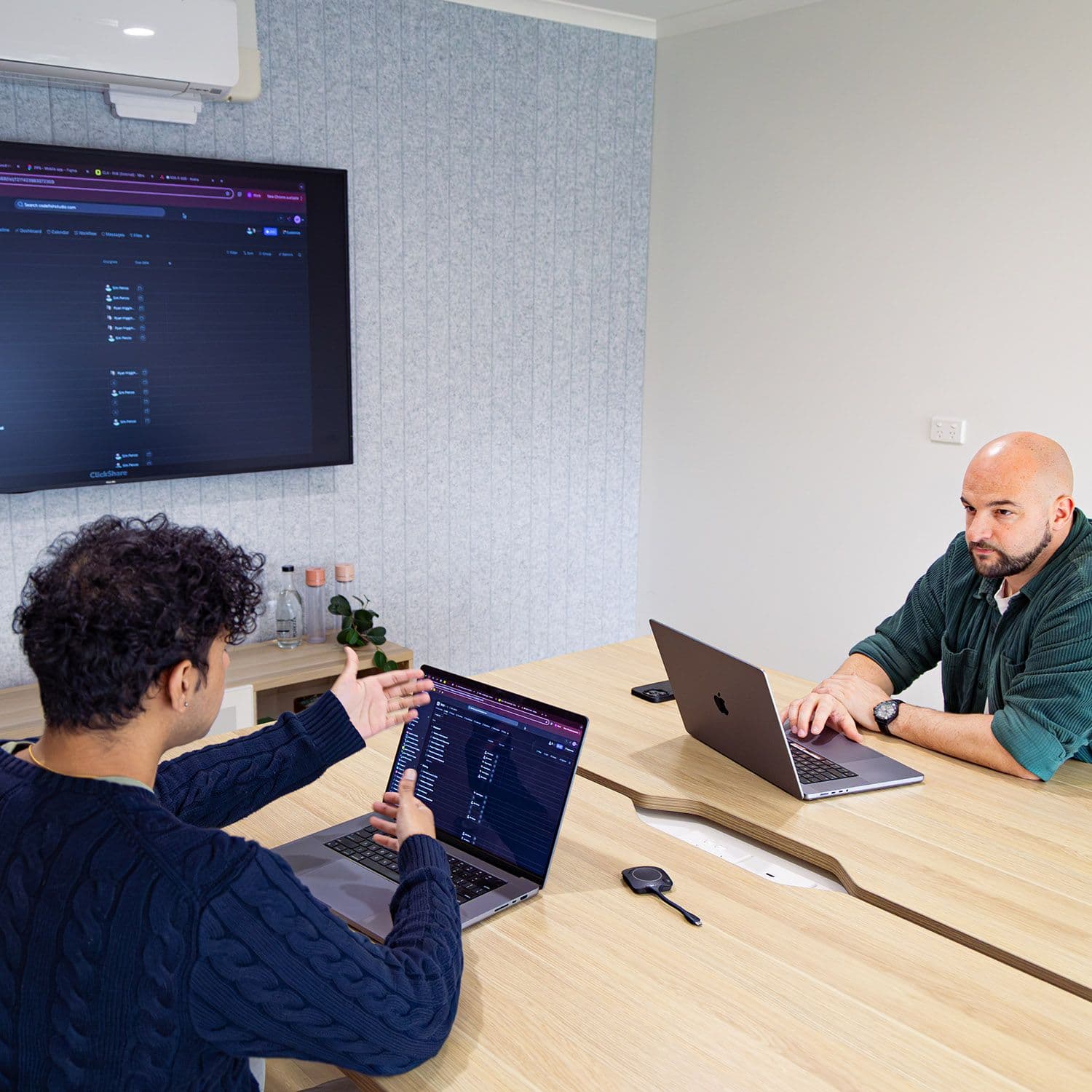
We work as a product partner, not a hand-off vendor. We will push back on an idea when it doesn’t serve you.
- Working closely with your founders, PMs, engineers, and designers
- Clear scope, a prioritised roadmap, and a delivery plan
- One cross-functional team, not two teams throwing work over a wall
If you’d rather stay hands-off, we can lead delivery and keep you across the decisions that matter.
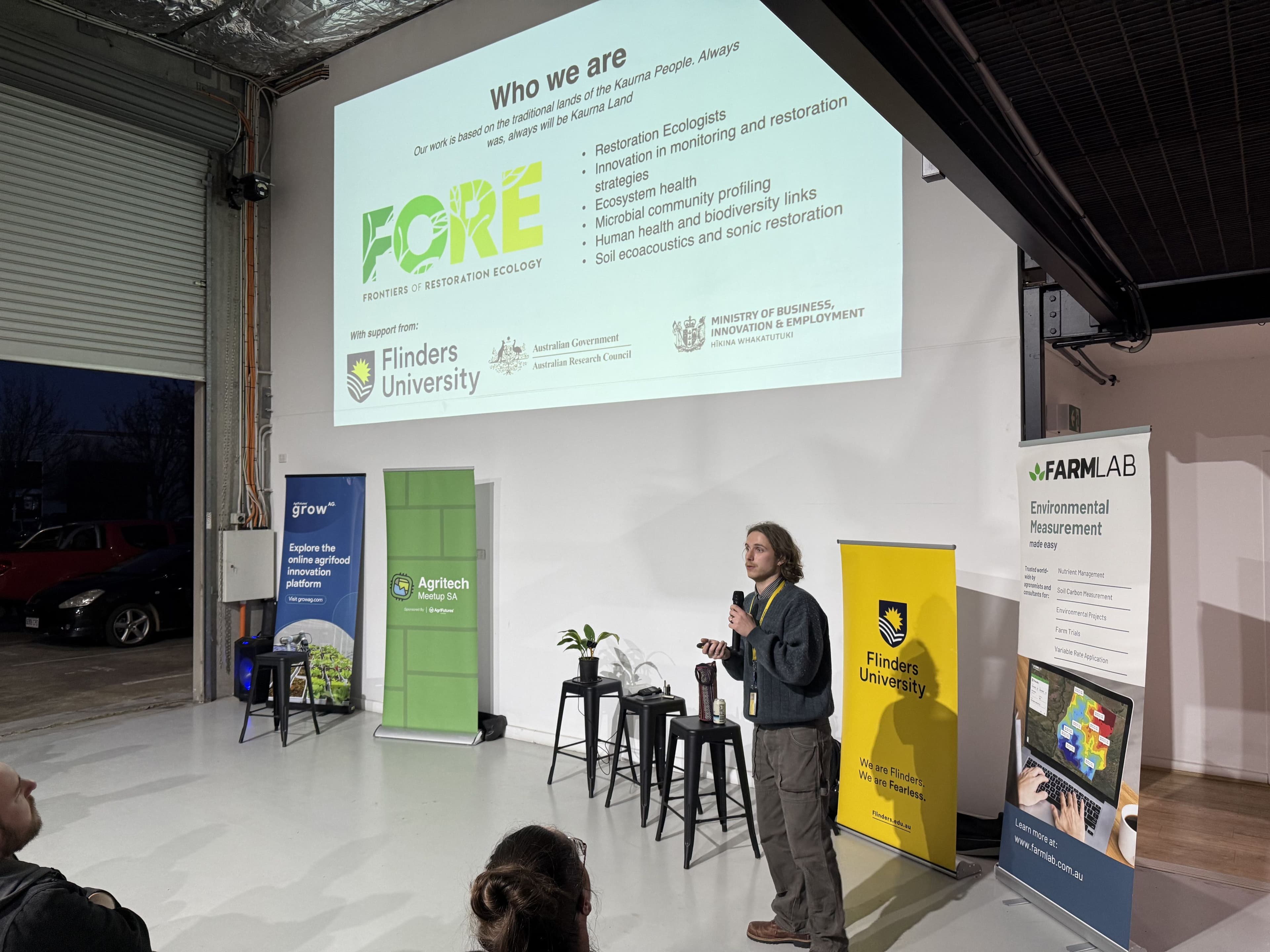
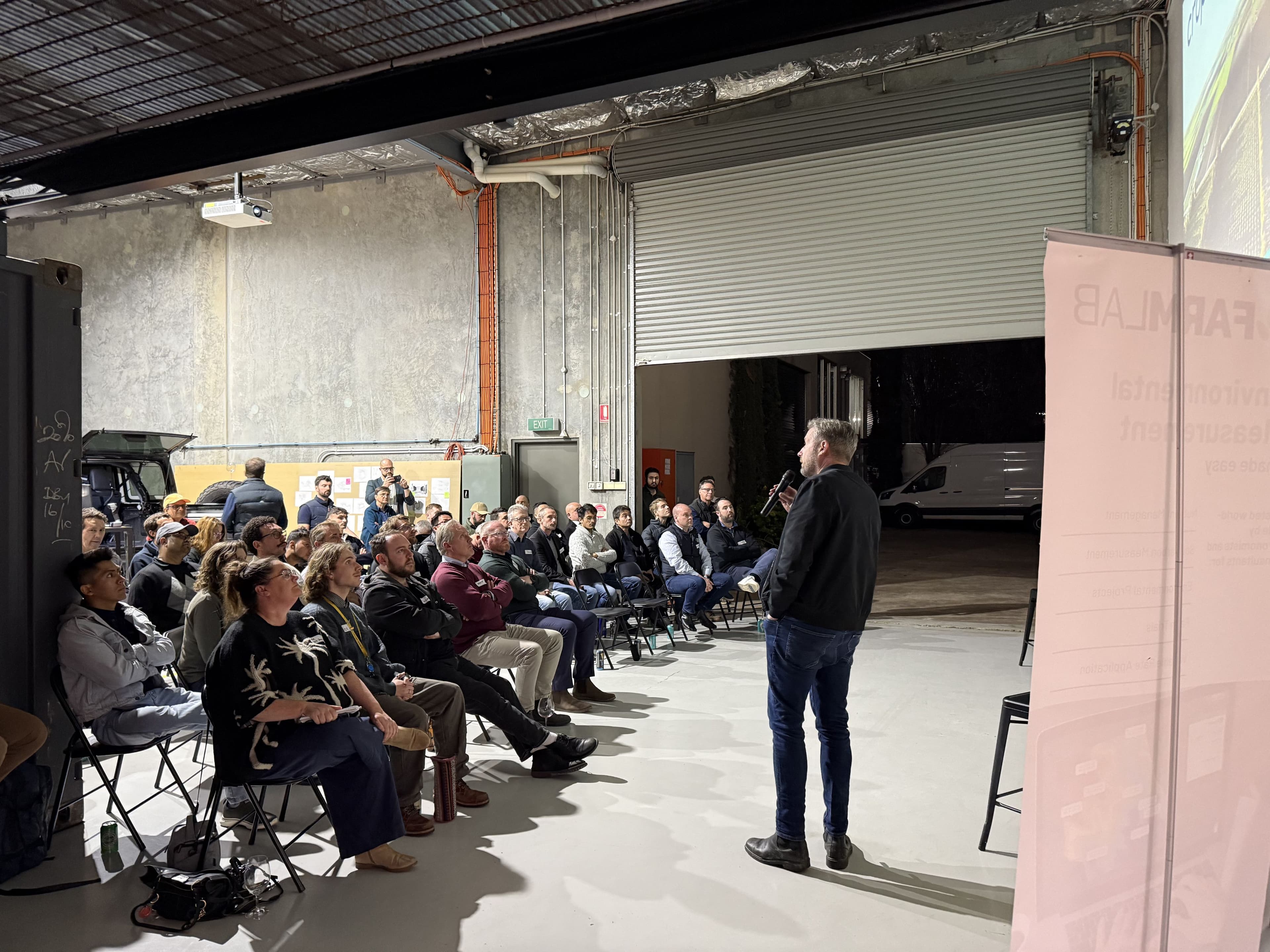
Field work for growers, fishers and foresters
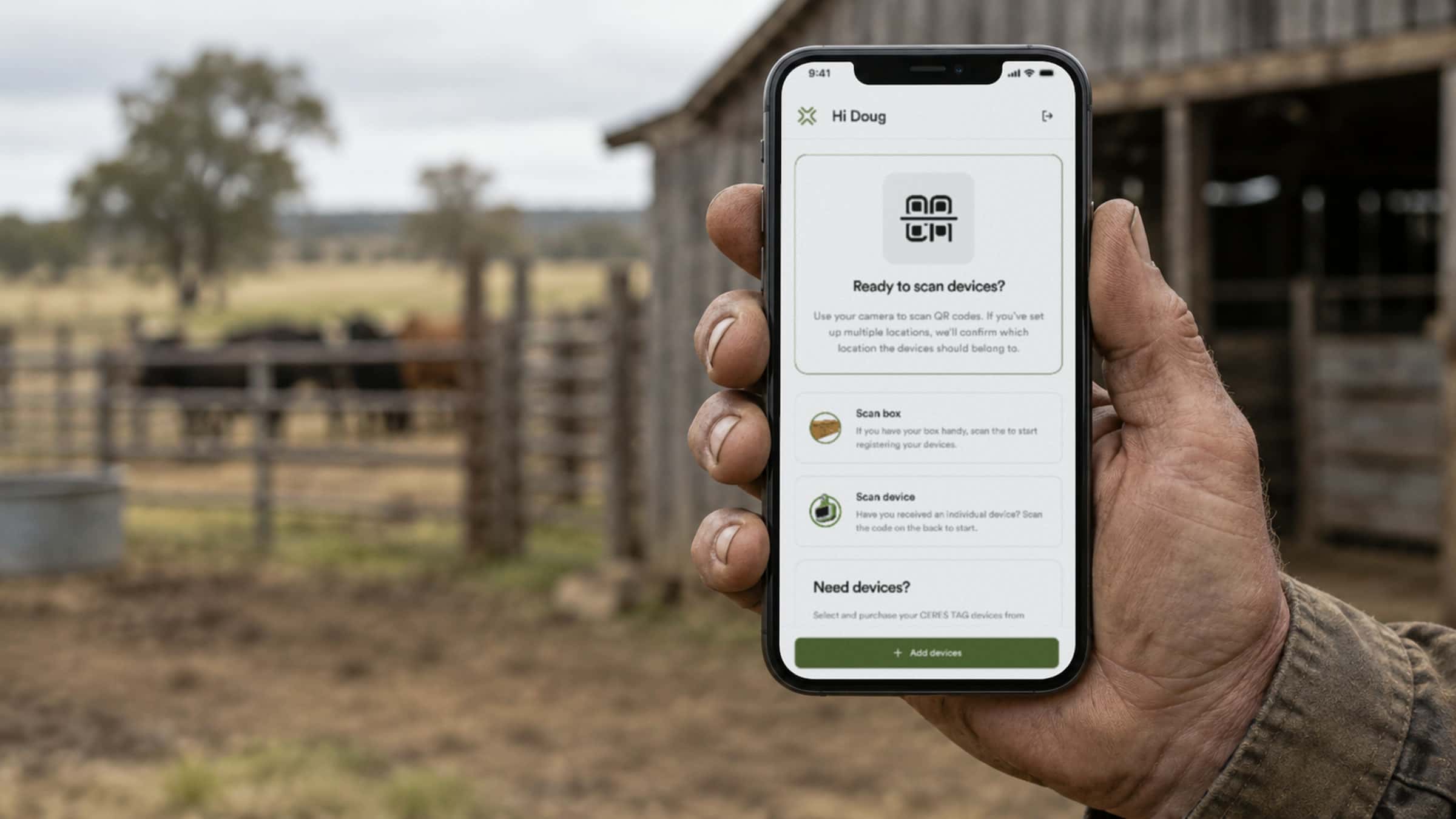
Primary producers capture data where there is no signal and report it to someone who will check. The software has to handle both.
Works without signal
Crews capture records on the device for days if needed. Each one keeps its time, place and author, and syncs in order when the device is back in range.
Numbers an auditor can trace
Every reported figure links back to the field entry it came from, with any edit and its reason recorded. The report and the source cannot drift apart.
Seasonal staff on day one
One task per screen, plain labels and the block, date and crew filled in already. A supervisor sets a new picker up in a minute.
State and federal reporting from one record
The obligation is built into the daily workflow, so the report is generated from the field data rather than rebuilt from notebooks each period.
How AgTech teams work with us
Every one of them starts with a Rapid Insight Workshop: a paid session that maps your operation and hands back a prioritised roadmap. What you do next depends on what it finds.
Apex
We stay embedded and work through the roadmap with you month after month, as the seasons, the regions and the rules change. One monthly fee, measured against results we agree at the start. From $15K a month, six-month minimum term.
Amplify
One build, scoped in writing before anything starts, then quoted at a fixed price against that scope. A one-year warranty, and the code and the IP are yours. Typically $100K and up.
Ignite
Put a paddock-ready prototype in front of growers and investors. Fixed price, $25K to $50K, and working software in four to eight weeks — enough to test it with real users before you spend more.
Between your farm management software, your machinery and your accountant
An AgTech operation runs on a stack nobody designed together: Agworld or AgriWebb for agronomy and livestock records, the John Deere Operations Center for machinery, NLIS for livestock movements, Xero for the money, and a spreadsheet for the rest. The hours go into re-keying paddock records and rebuilding the same compliance report every season.
CodeFish builds across those gaps: pulling agronomy, machinery and sensor data into one place and automating the re-entry. We build the software and the integrations, not the machine or the sensor.
AgTech questions we get asked
With a Rapid Insight Workshop. It maps how an AgTech operation actually runs: the systems you rely on, where field data is re-entered or reconciled by hand, what that costs across a season, and which fix returns the most. You get a prioritised roadmap back before committing to a build. From there you either test one idea first (Ignite), build one thing at a fixed price and own it outright (Amplify), or keep us on to work through the roadmap with you month after month (Apex). We will tell you honestly which one fits.
Yes. We work on data-heavy, sensor-connected and field-based platforms where reliability and usability decide whether the product gets used at all. We work with startups, scale-ups and established teams, and the approach adapts to your stage rather than forcing an enterprise process onto an early product.
Yes, and it is a distinct discipline from designing office software. Field conditions mean low or no connectivity, time pressure, gloves, direct sun and interruption. We design so data can be captured in the order the work actually happens, and so the product survives a user who has thirty seconds and one hand free.
Both, and the choice is driven by how the product is actually used. Field capture usually wants mobile with offline support; planning, reporting and admin usually want web. We make that call with you based on usage, connectivity and what will be cheapest to maintain over the product's life, not on preference.
Yes, and it is regular work for us. We integrate with sensors, GPS and telemetry platforms, mapping and geospatial data, and existing farm management tools, ERPs and CRMs. Third-party feeds in this sector are often messy or undocumented, so we design defensively with validation, fallbacks and clear data contracts rather than assuming the data arrives clean.
Yes, and it is often where we start. We clarify the real problem behind the idea, map farmer, operator and admin workflows, identify the friction worth solving, then prototype and validate before committing to a build. The point is to reduce business risk early and avoid overbuilding something the market has not confirmed it wants.
By treating them as first-class requirements rather than edge cases. AgTech carries seasonal load spikes, regional quirks, evolving regulation and changing hardware in the field. We design the data model and system around seasons, regions, regulation and user roles so a new region or rule change is configuration rather than a rebuild.
It stays on the device until the crew is back in range, then syncs without anyone re-entering it. Records are stored locally with the time, location and person who made them. When the device reconnects, it uploads in order and flags any conflict, such as two people editing the same record, for the office to resolve.
Every figure in the report links back to the field record it came from. When a regulator such as PIRSA, a water authority or a grant body asks where a number came from, you can show the original entry, who captured it, where and when, and any edit made since. Totals are calculated from those entries, not typed into a spreadsheet.
Yes, frequently. We partner with internal teams to add delivery capacity, UX, or product strategy, working alongside your founders, PMs and engineers with clear scope and roadmap priorities. We position as a product partner rather than a hand-off vendor, which means we will challenge an idea instead of quietly building low-value work.
Yes. Launch is the start of the useful part. We support iteration, optimisation and ongoing product growth, which in AgTech usually means a first full season of real usage telling you things no amount of discovery could. We stay on to act on that.
Yes. These platforms are good at what they do and replacing them is rarely the right call. We connect them — paddock and mob records, machinery and telemetry feeds, agronomy plans — so the same information stops being entered in three places. Feeds in this sector are often poorly documented, so we build with validation and fallbacks rather than assuming the data arrives clean.
Yes, and it is usually where the fastest payback sits. Livestock movements, compliance records and the financial side are the reporting nobody enjoys and everybody redoes by hand each season. We automate the flow so the record is captured once, as the work happens, and the report is already assembled when it is due.