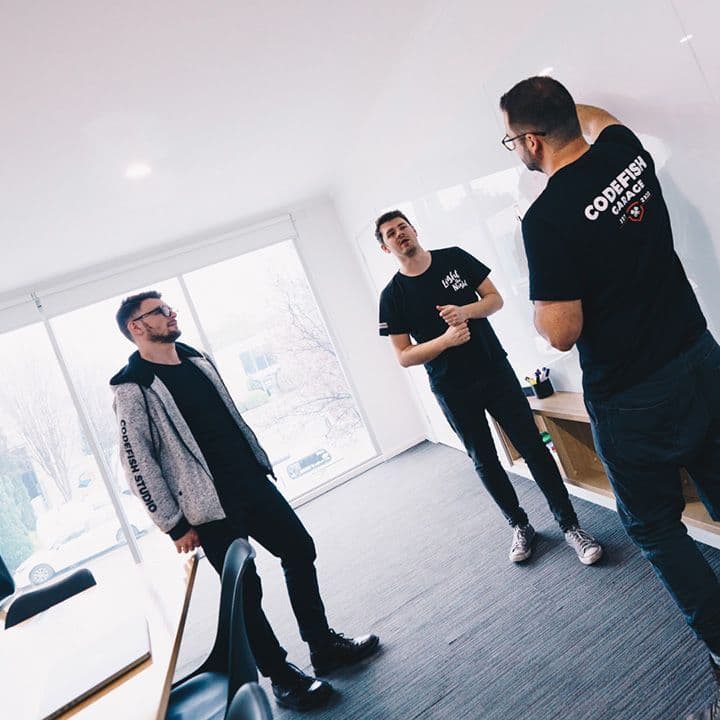
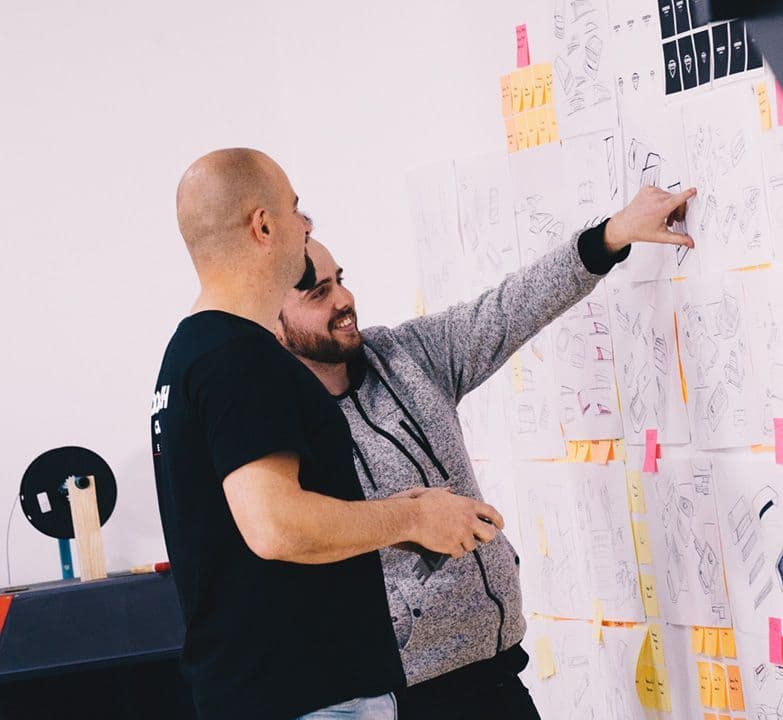
The whole process went up on the wall — who touches a plan, in what order, what they have to check, and where the hours were actually going. That gave both sides one picture of the business instead of two.
It also set the order of work. Not everything is worth automating, and the workshop made it obvious which steps were costing the most and should be built first. That sequencing is what kept the investment defensible: value arrived early rather than at the end of a long build.
We kept the whole conversation in plain language. Tatum is not a technologist and did not need to become one, but she did need to understand what each decision cost and what it bought, so she could weigh the trade-offs herself instead of taking our word for it. Where a choice had a real consequence — more build now against more manual work later — we put it that way and let her call it.
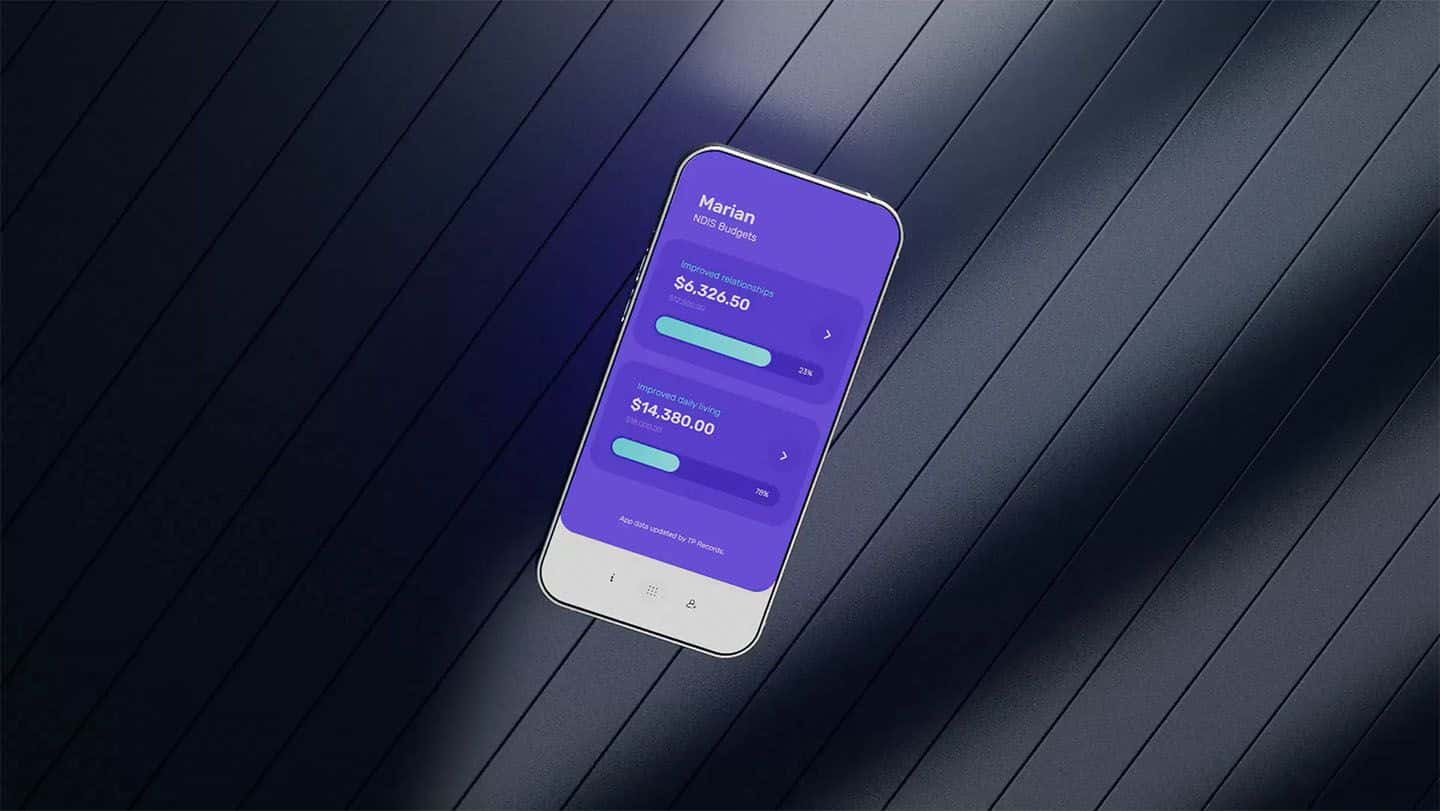
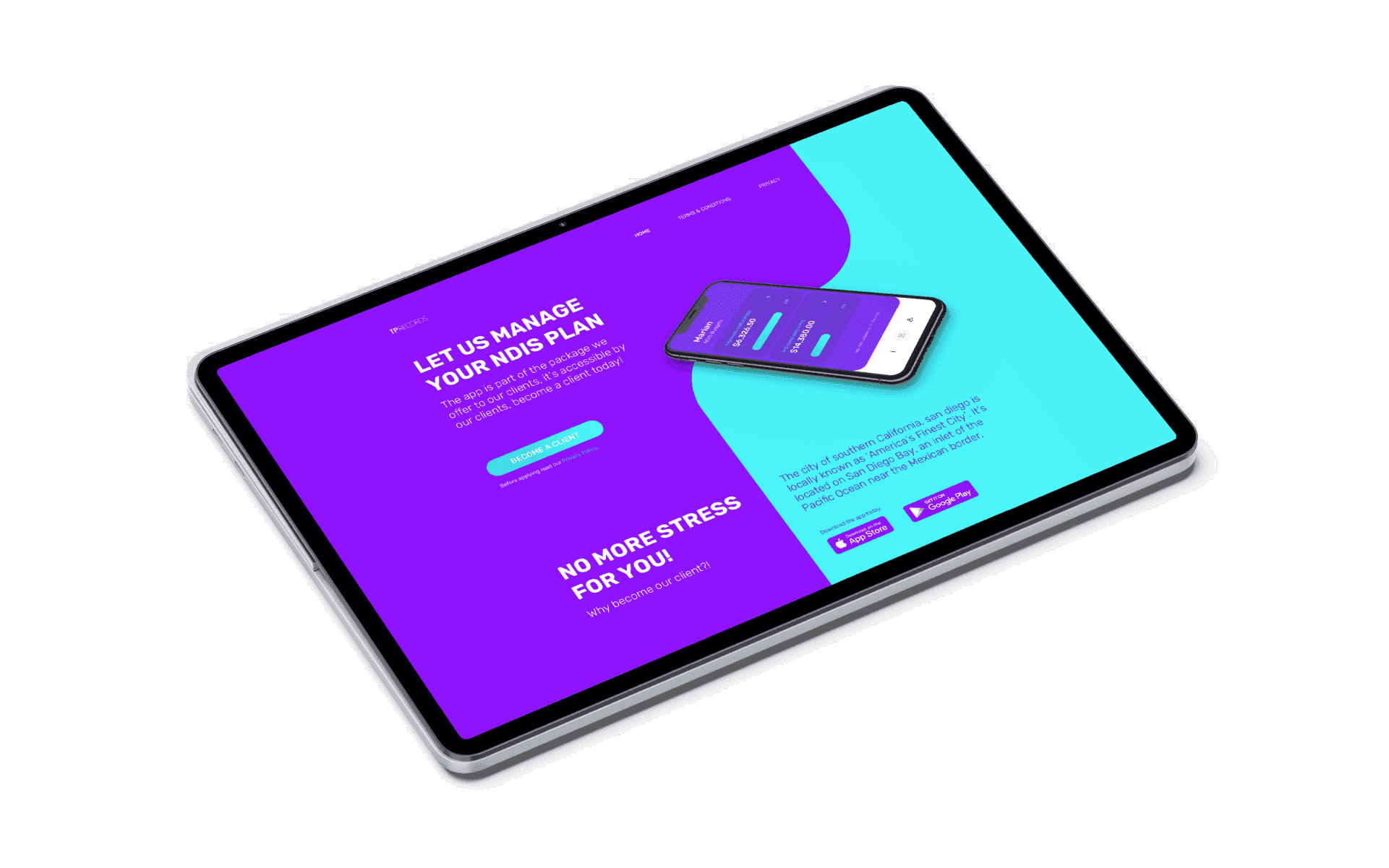
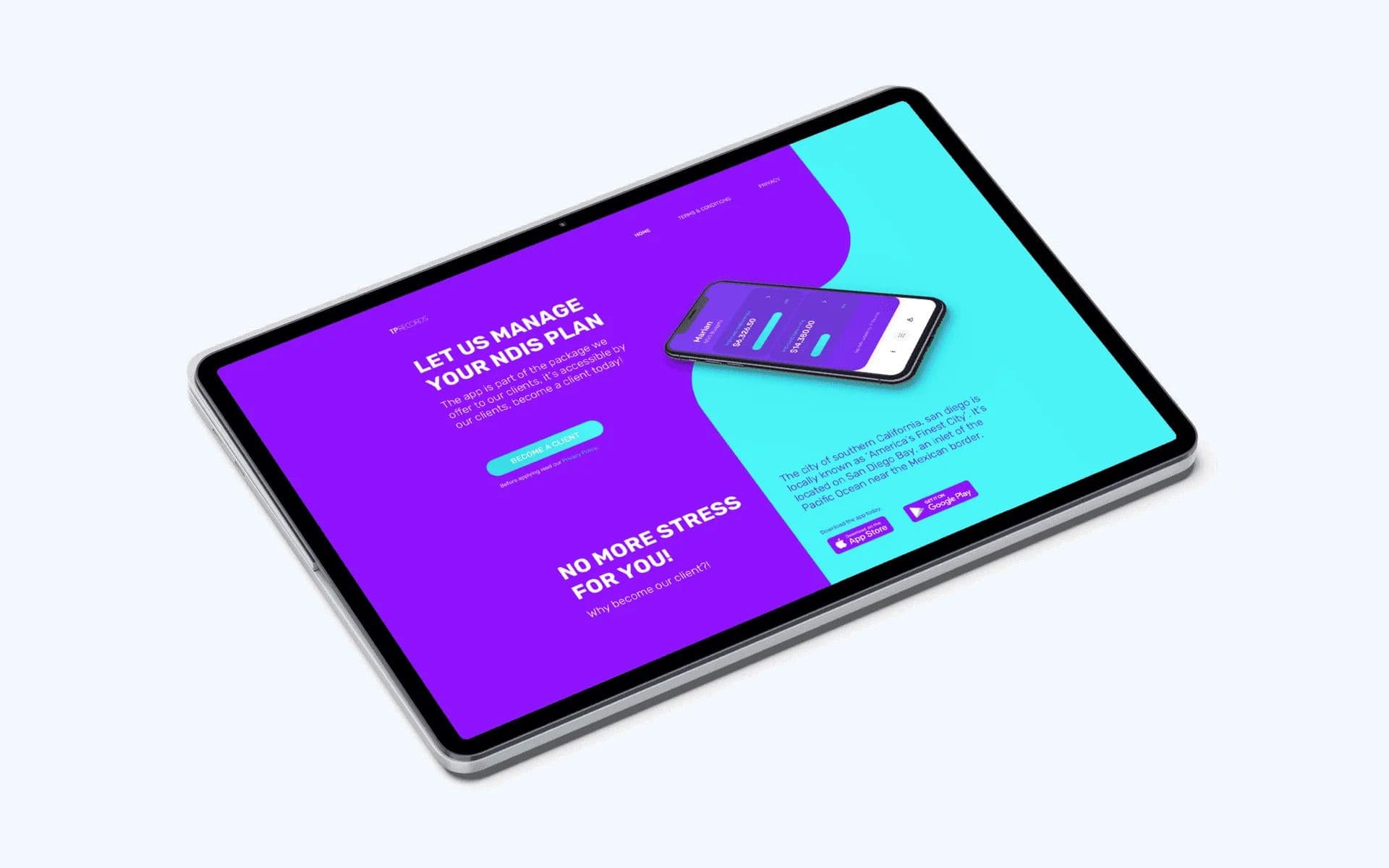
The design work then focused on the daily jobs: claims, invoicing, participant records, and the reporting the NDIS requires. The interface had to be quick enough that nobody would be tempted back to the spreadsheet, and clear enough that a new staff member could be useful in days rather than months — which matters when the point of the exercise is to be able to hire.