AI Services

AI application development for established Australian businesses. Every engagement is tied to a number: hours returned, errors cut, cost removed.

What is AI application development?

AI application development is building custom systems that take specific, recurring work off your team: reading documents, checking cases against your rules, forecasting, and answering questions from your own records. CodeFish Studio is an Adelaide software company that has built custom software for Australian businesses since 2018, and we tie every AI build to a number agreed up front: hours returned, errors cut, or cost removed.

That is different from buying a chatbot or a general assistant. A general assistant is a licence your staff might use. An AI system built for your operations is a task that leaves your team's week, and a cost you can watch come down. We work from Adelaide with clients in Melbourne, Sydney, Brisbane, Perth and regional Australia, and the same people stay on your project from the first workshop to production.

What jobs can AI do in an operations business?

Four jobs come up again and again. Each runs on a connected data foundation, and each hands the exceptions back to a person.

Reading

Turning invoices, purchase orders, site reports, contracts and emails into fields your systems can use. It is the best place to start in most businesses, because the volume is high and the rules are already known.

Checking

Running every case against your policy and compliance rules, recording the decision and the reason, and sending only the exceptions to a person. A wrong answer is costly here, so the audit trail matters more than the accuracy score.

Predicting

Turning your operating history into rolling forecasts and early warnings for demand, maintenance, cashflow and capacity. It depends on clean data, so it usually comes after the data foundation is in place.

Answering

Letting your team ask questions of your own records and get an answer with its source attached. Every answer links back to the document it came from, so people can check it rather than trust it.

How does an AI build run?

Assess the data and the work

We start with your data, your processes and your systems, usually in a two-session workshop. AI acts on data and follows rules, so if the data is scattered or the rules are unwritten, we fix that first. You get a plain answer on where AI fits and where it does not.

A CodeFish developer working across three monitors, reviewing code and version history

Build it to your rules

We build the agent or automation for one defined job, plugged into your own data and bound to your rules. You can see what it did, why it did it, and where its limits are. One-off builds are scoped and priced through Ignite or Amplify.

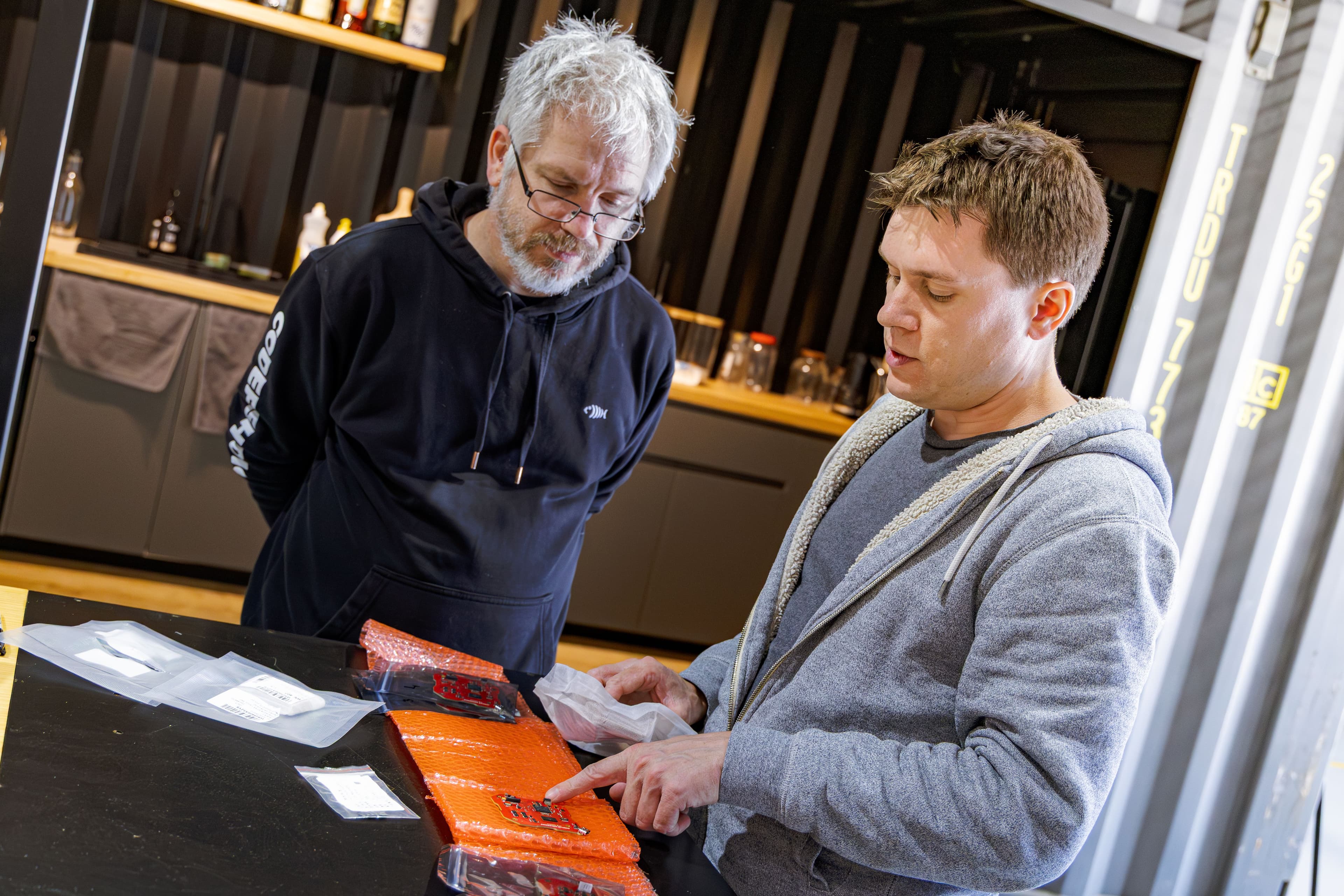
CodeFish Studio team members collaborating on a project

Run it against a number

Every system is tied to an outcome agreed before the build. We measure it, review it and adjust. AI that runs against live operations month to month sits inside an Apex partnership, and if it is not moving the number, we say so and change course.

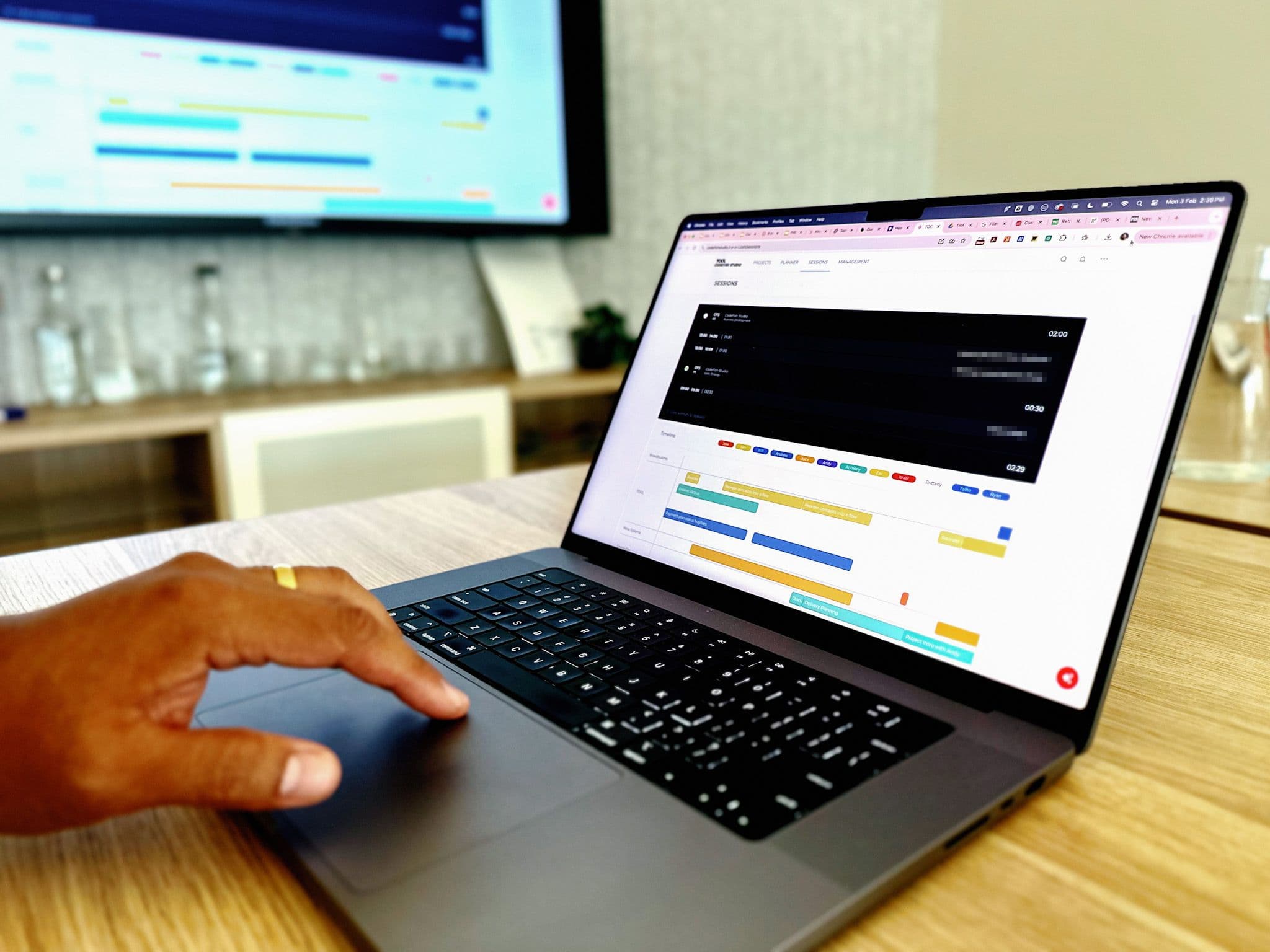
A hand on a laptop showing a colour-coded project Gantt schedule, with the same view on a wall screen

AI acts on your data and follows your rules. Every job it does is tied to a number.

Is our data safe with an AI system?

Your data stays yours

Yes, if it is designed that way from the start. AI can be built so your data never leaves an environment you control and is never used to train anyone else's model. Your information stays in infrastructure you nominate, under Australian data handling obligations, and that choice is made at the start rather than bolted on at the end.

Permission rules are applied before anything is indexed, so the system cannot answer from a document the person asking is not allowed to read. Every action an agent takes is logged with its reasoning, so your compliance team has a record to audit. The software we build for you is yours: the code, the data and the IP.

What automation work have we shipped?

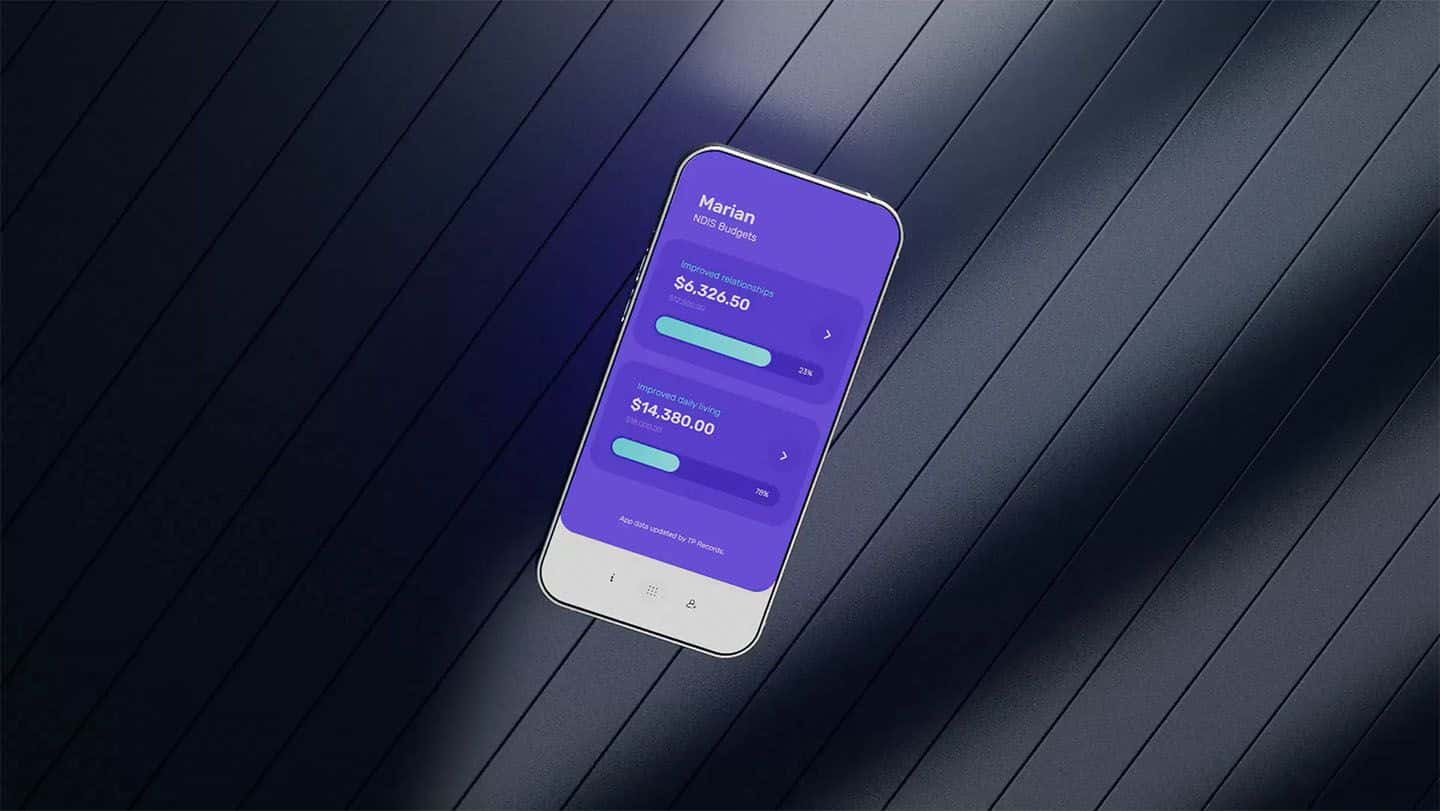
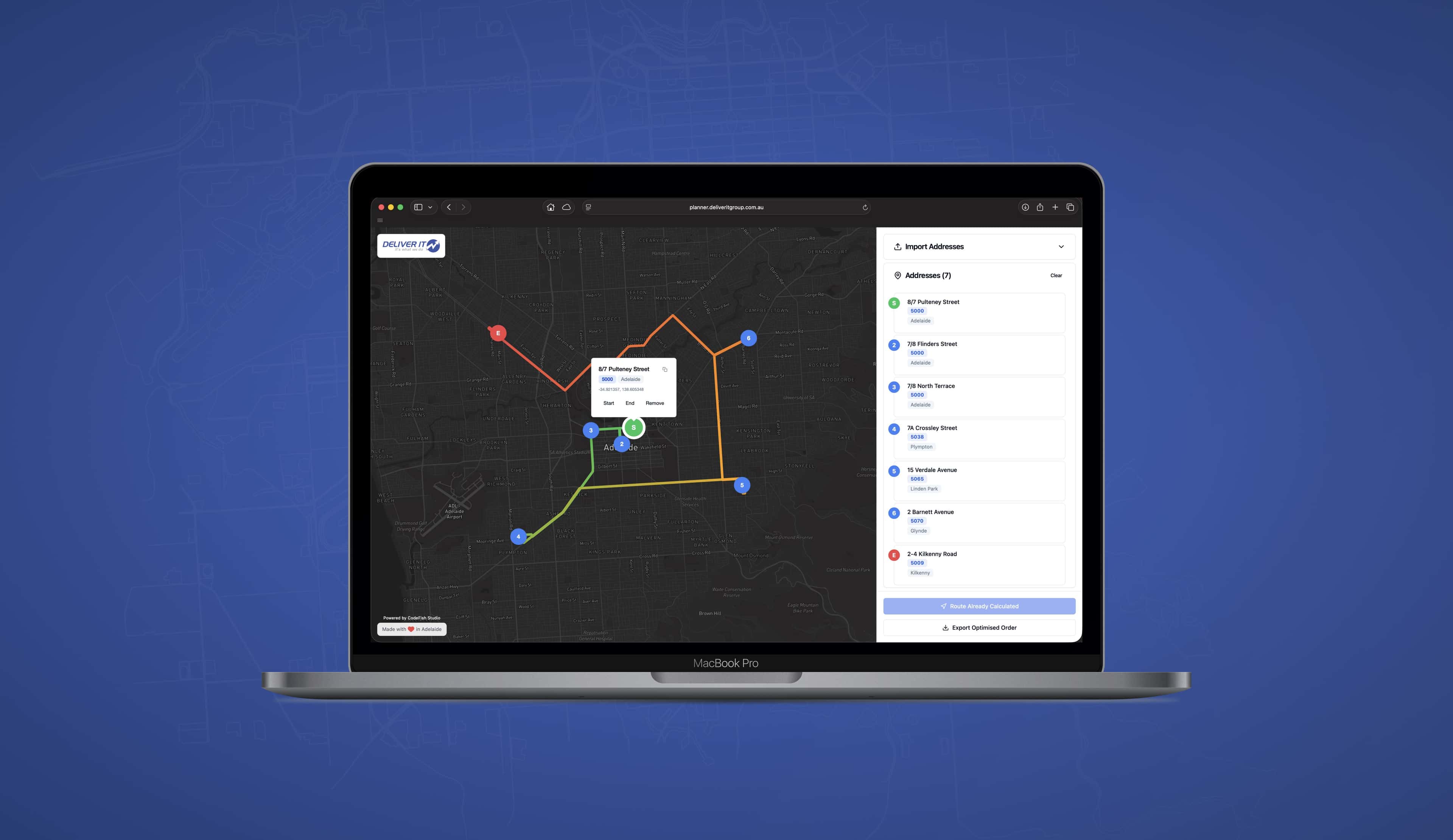
Systems that took manual work out of real operations and are still running.

What does AI application development cost?

It starts at $9,000 + GST for a two-session workshop, with the results in your hands around three weeks later.

$9,000 + GST

The Rapid Insight Workshop is fixed. Two sessions with your key people map how your operations run and put a value on each job worth automating. You keep the roadmap whether or not you build with us.

Fixed-price build

A one-off build through Ignite or Amplify is quoted in full before work starts. The price depends on the jobs chosen and the data work underneath them. If the return does not justify the build, the roadmap will say so.

Monthly, six-month minimum

AI that runs against live operations sits inside an Apex partnership: one monthly fee for the leadership, the delivery and the systems, measured against results agreed at the start.

Should we build custom AI or buy an off-the-shelf tool?

Build custom only when an off-the-shelf tool cannot do the job. General AI assistants are the right answer for low-stakes work like drafting, summarising and research. A module inside a system you already run is the right answer when the job lives entirely inside that system. Custom is worth paying for in three cases: the job depends on your own data spread across systems that do not talk to each other, the output has to be right rather than plausible, or the information cannot go to a public tool for privacy or contract reasons.

Most businesses end up with a mix, and the point of a Rapid Insight Workshop is to sort each job into the right bucket before anyone spends money. When custom wins, the usual builds are AI agents that own a recurring job and intelligent automation for the judgement-heavy work rules-based tools cannot touch. If a tool you can rent does the job, we will tell you.

Common questions about AI application development

Adelaide's AI sector splits into university and defence research groups and commercial software studios that build production systems for businesses. CodeFish Studio is in the second group, building agents, automation and the data foundation underneath them for Australian mid-market operators. When you shortlist, ask each provider to show a system still running a year after launch and the number it moved.

No. CodeFish is based in Adelaide and works with clients in Melbourne, Sydney, Brisbane, Perth and regional Australia. Workshops run on site or remotely, and the same people stay on your project from the workshop through to production wherever you are.

Usually, yes, and it is the step most projects skip. If your data is scattered across systems that do not talk to each other, and your processes live in people's heads, a build will stall no matter how good the model is. We assess that first and connect your systems into one source AI can act on.

Every engagement starts with a two-session workshop at a fixed $9,000 + GST. One-off builds through Ignite or Amplify are quoted fixed-price before work starts, and the price depends on the jobs chosen and the data work underneath them. AI that runs month to month sits inside an Apex partnership on a six-month minimum term.

The workshop is two sessions with your key people, with the results delivered around three weeks later. A first agent on one well-scoped job usually reaches production in six to twelve weeks, and longer where the data foundation has to be built first. Anyone promising a production AI system in a fortnight is describing a demo.

An LLM is a model that reads and writes language, which makes it good at reading, summarising and sorting text. RAG, or retrieval-augmented generation, feeds that model your own trusted documents at question time, so it answers from your records instead of guessing. We build with tools such as OpenAI, Anthropic Claude, Python, vector databases and PostgreSQL, hosted on AWS or Azure.

Ask for a system still running a year after launch and the number it moved. Ask what happens when the model is wrong: who sees the exception, and where it is logged. Ask whether they will tell you not to build, and make sure you will own the code, the data and the IP.