How We Work

How We Work

The questions people ask before they engage us — what it costs, how long it takes, who owns what we build, and when the honest answer is not to build at all. Answered plainly, before you have to ask.

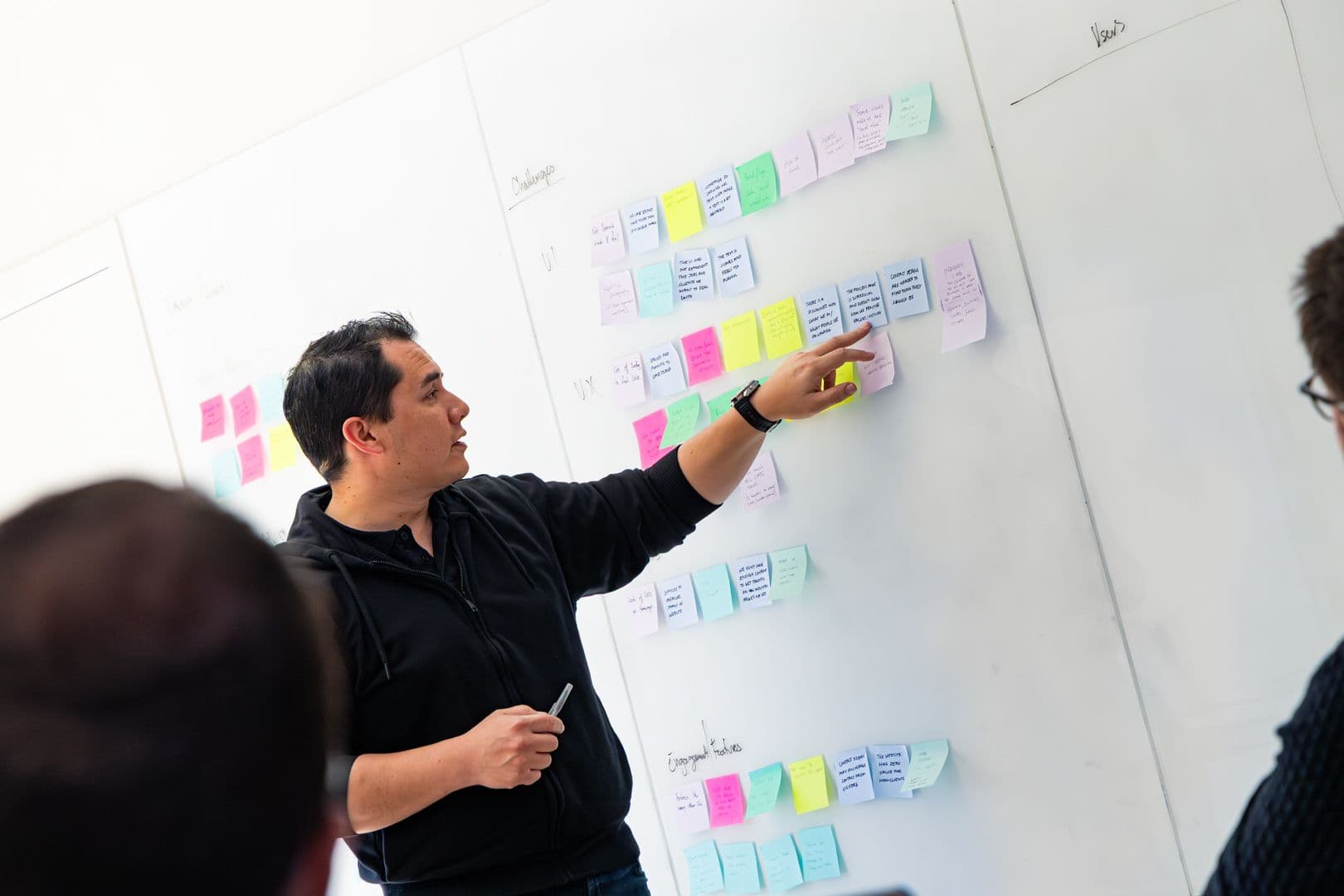
A team member pointing at a wall of coloured sticky notes during a workshop

Answers before the sales call

Most agencies make you sit through a meeting to find out what something costs. We would rather you knew now.

This page answers what people actually ask us before they engage: the price bands, the timelines, who owns the code, what happens when scope changes, and the cases where we tell you not to build. If the answer here rules us out, you have saved yourself a call.

If it does not, the next step is a conversation about your operation, not a pitch.
The three ways to engage us

Every engagement is one of these three. Which one fits depends on how settled the problem is, not on how big your business is.

What happens first

Most engagements start the same way, whichever stream they end up in.

A conversation about your operation

Thirty minutes on what is slow, manual or expensive, and whether software is the answer. If it is not, we will tell you.

CodeFish Studio team members in a workshop

A workshop to map it

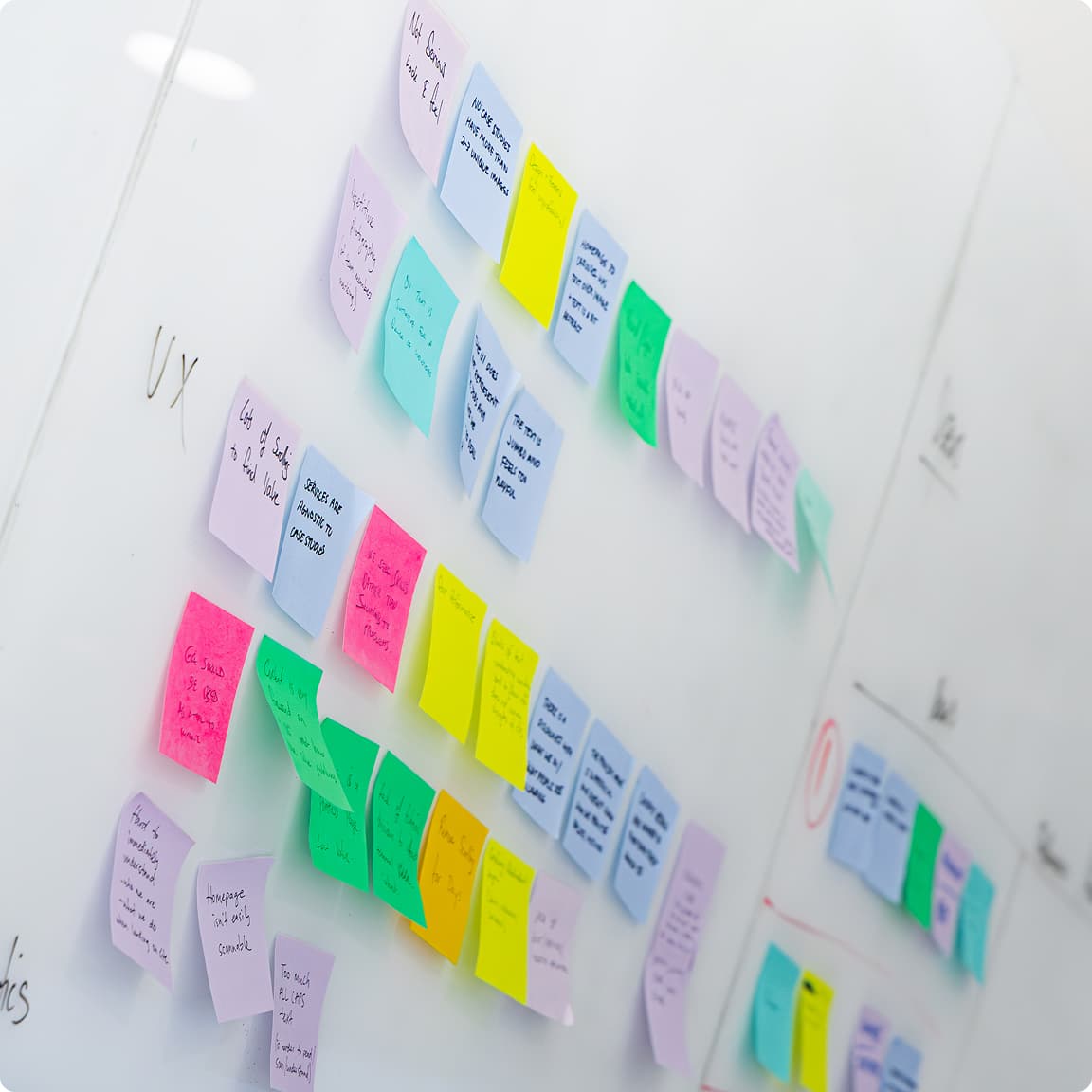
A Rapid Insight Workshop ($9,000 + GST) maps your systems, costs and friction points into a prioritised roadmap. For one settled build, a scoping workshop produces the written requirements instead.

A whiteboard covered in colour-coded sticky notes from a UX workshop

A fixed price or a roadmap

A defined build gets a fixed price off the requirements document. A problem that runs through the whole operation gets an Apex roadmap, sized to your budget.

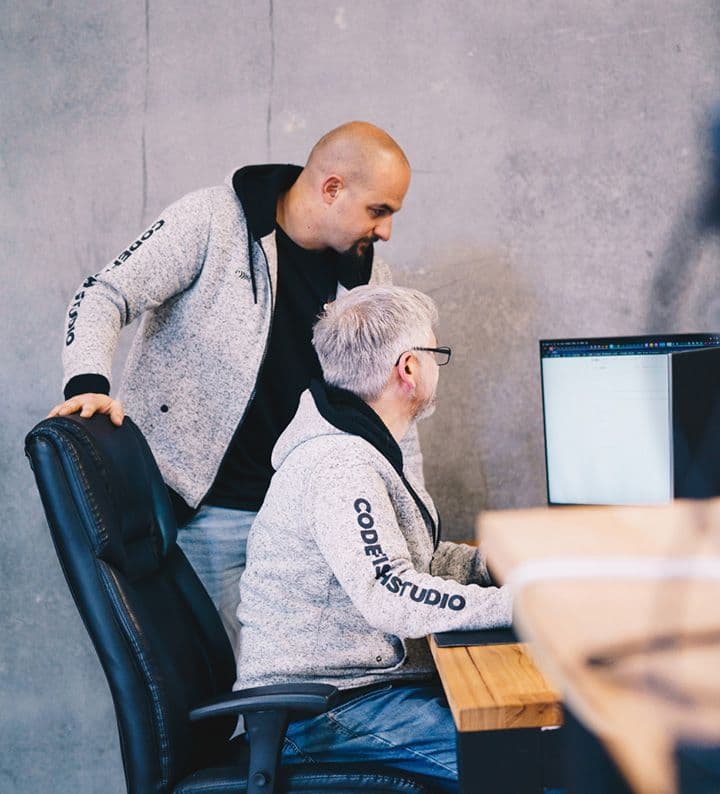
A CodeFish developer working across three monitors, reviewing code and version history

Build, then keep it running

Delivery against the agreed scope or roadmap, with progress you can see. What we build is yours, and it is looked after under warranty or as part of the partnership.

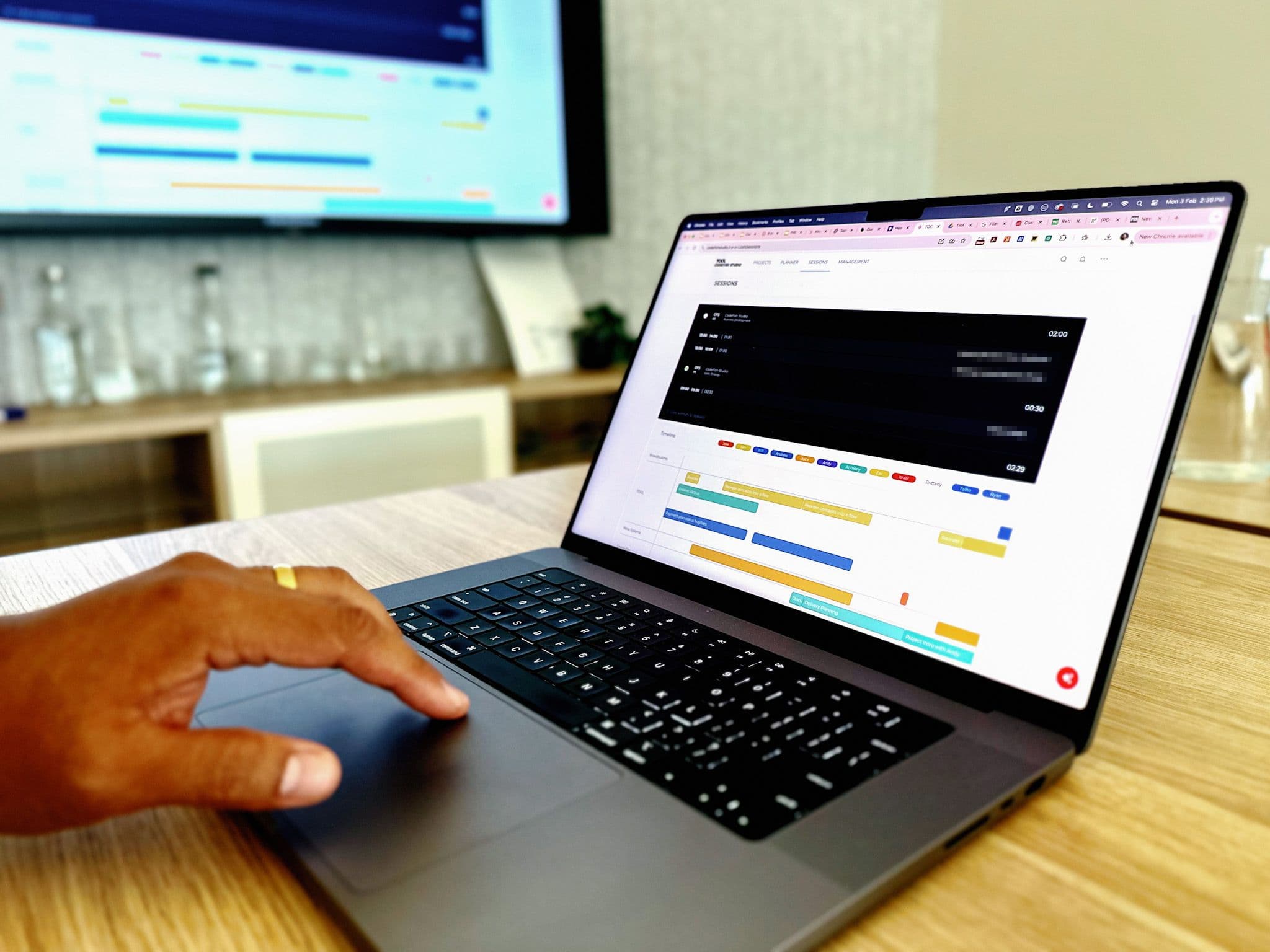
A hand on a laptop showing a colour-coded project Gantt schedule, with the same view on a wall screen

We would rather lose the work than sell you a build you did not need.

Questions people ask before they engage us

It depends on which of the three shapes you need. A prototype is $25,000 to $50,000 fixed. A production build starts around $100,000 and scales with scope — mostly with how many systems it has to talk to and how clean that data is, because integration is usually the larger half of a build. An ongoing partnership starts at $15,000 a month. Your number comes from a written requirements document, not from a conversation, and you see it before anything starts.

Four to eight weeks for a prototype from an agreed brief. A production build runs longer and the variable is rarely the coding — it is how quickly scope gets agreed and how much of the data and the integrations already exist. Anyone promising working software in a week is describing a design mock-up.

We do not — that is what the scoping step is for. The price comes after a written requirements document covering functionality, technical approach and the boundaries of scope. Anyone quoting a fixed price off a first meeting is either guessing or padding, and both cost you. The document is what makes the number honest, and you keep it either way.

Agreed scope is fixed at the agreed price. New scope is quoted as new scope, in writing, before it is built — so a change is a decision you make with a number in front of you rather than a surprise on an invoice. Being strict about that boundary is what lets us hold the original price at all.

If a product on the market does 80% of the job and the missing 20% is not where you compete, buy the product. Custom software earns its cost when the process is your advantage, or when no product fits the way you actually work. We would rather point you at the right tool than sell you a build you did not need.

Size is not the test; the shape of the problem is. A small business with one expensive manual process is a good fit for a fixed-price build. A large business with clean systems and numbers people trust probably has nothing here worth paying us for. We would rather say that in the first meeting than bill you for twelve months of finding it out.

Yes. We are an Adelaide studio and a good share of the work is South Australian, which is why site visits and being in the room are normal for us rather than a special arrangement. Interstate work runs the same way with the visits planned around the milestones that need them.

You do, outright — the codebase, the repository, the IP. No licence fee, no ongoing dependency on us to keep it running, and it is documented well enough that another team could take it over. We would rather earn the next phase by being useful than by being the only ones who understand it.

Ready to build something great?

Local partners, global standards – full service design and development.