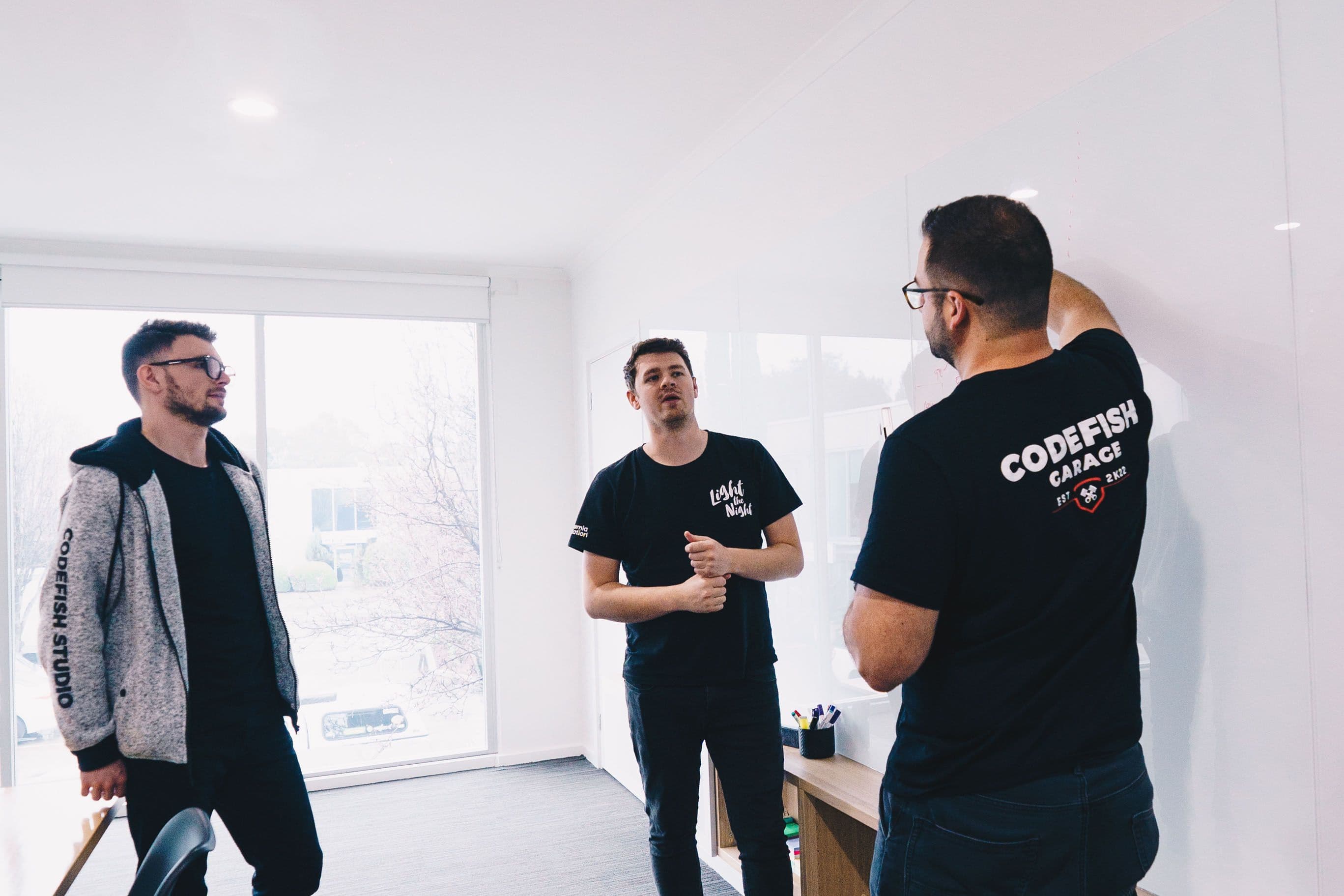
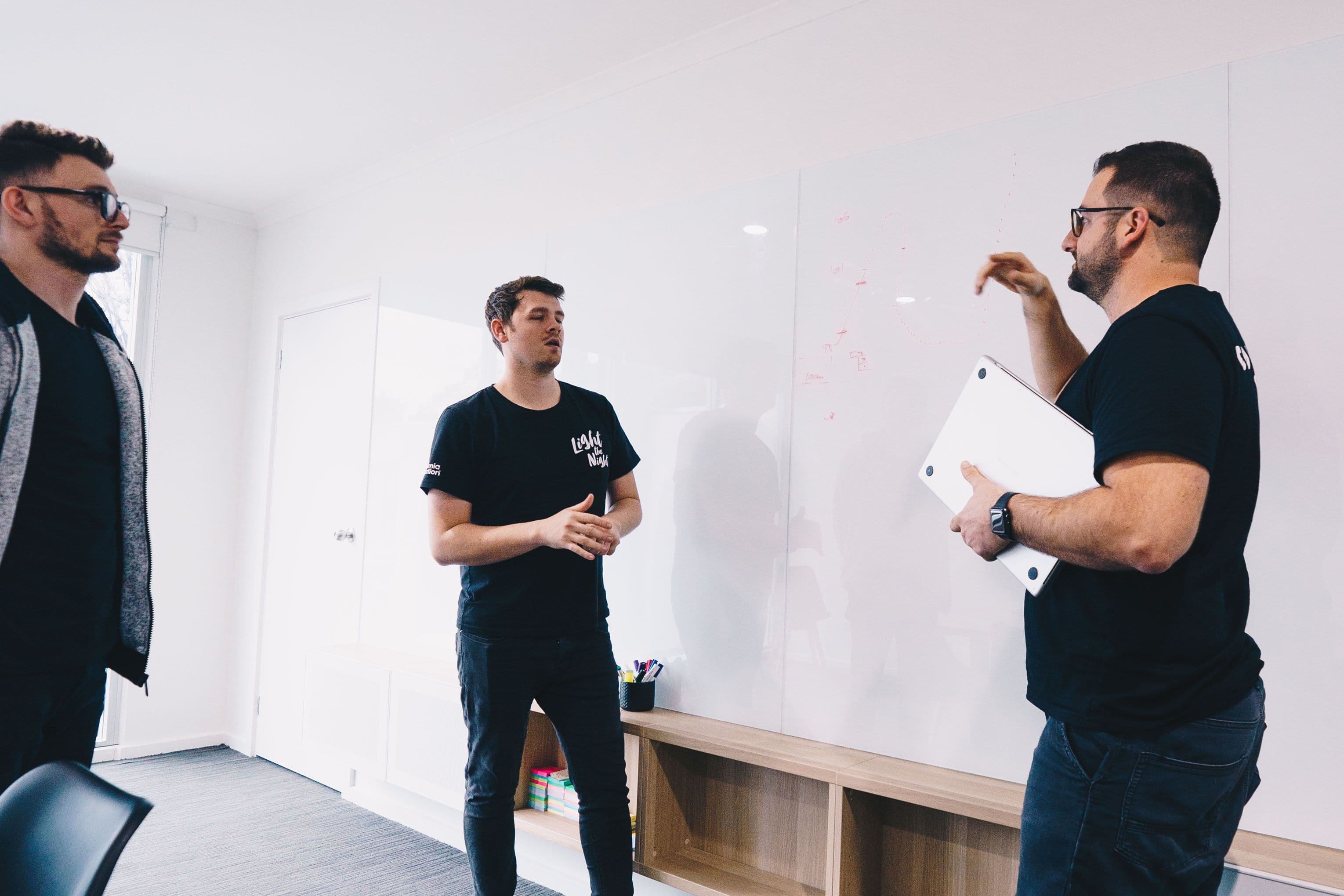
We ran the workshop with Bob and pulled the audit apart step by step: what an auditor sees on arrival, what gets recorded, in what order, and which parts actually matter once you are standing in front of the equipment.
Playground123 were hesitant about it. A workshop is an upfront cost with no visible software at the end, which is hard to sign off when capital is tight. We were direct that it was the piece that mattered most — turning tacit expertise into something a development team could build from without guessing — and worth doing properly before any design work started.
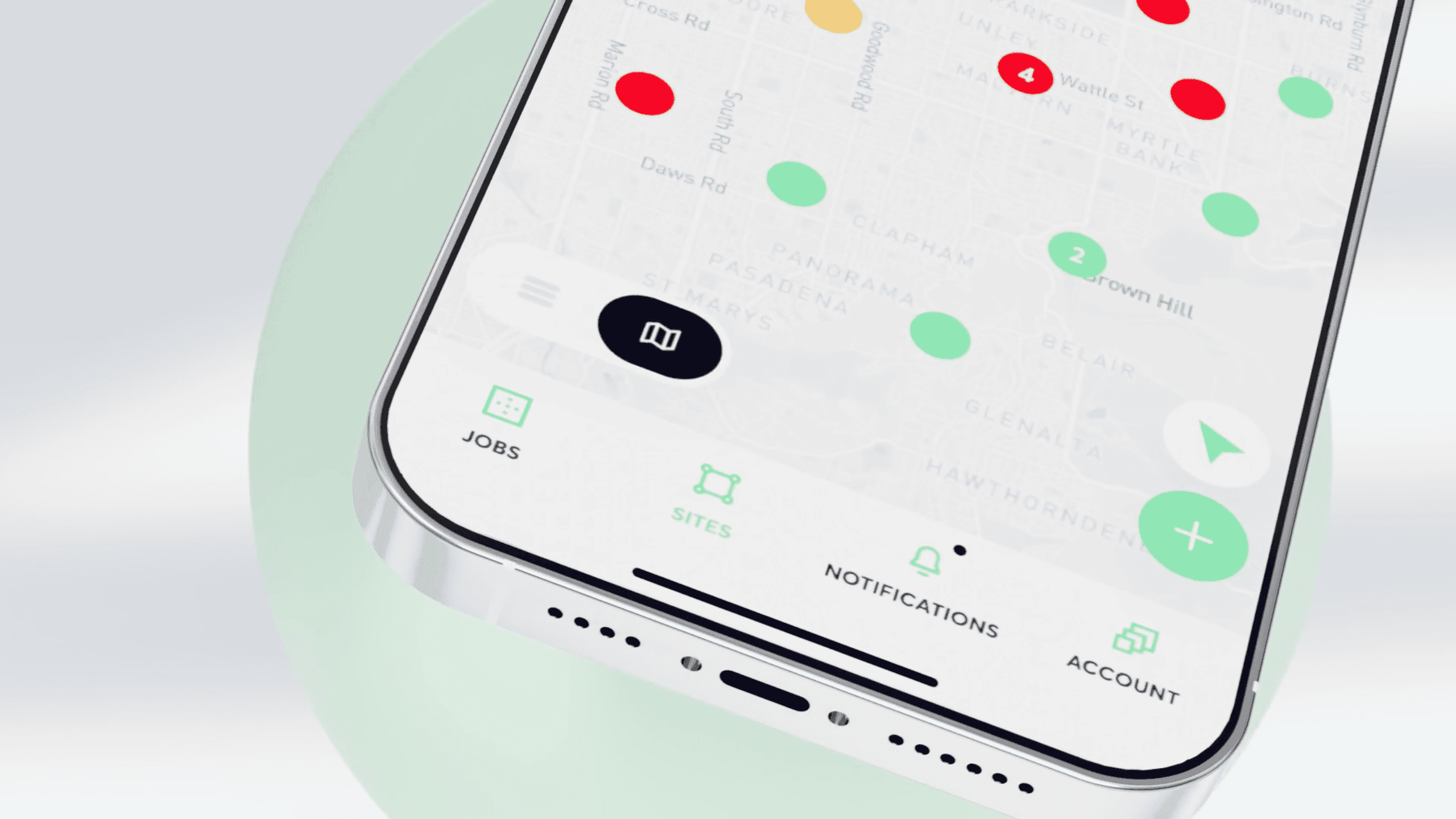
From there we designed around the auditor's actual sequence rather than around the map. The interface leads with the job and treats the spatial data as support, which inverts how the ESRI-based product worked.
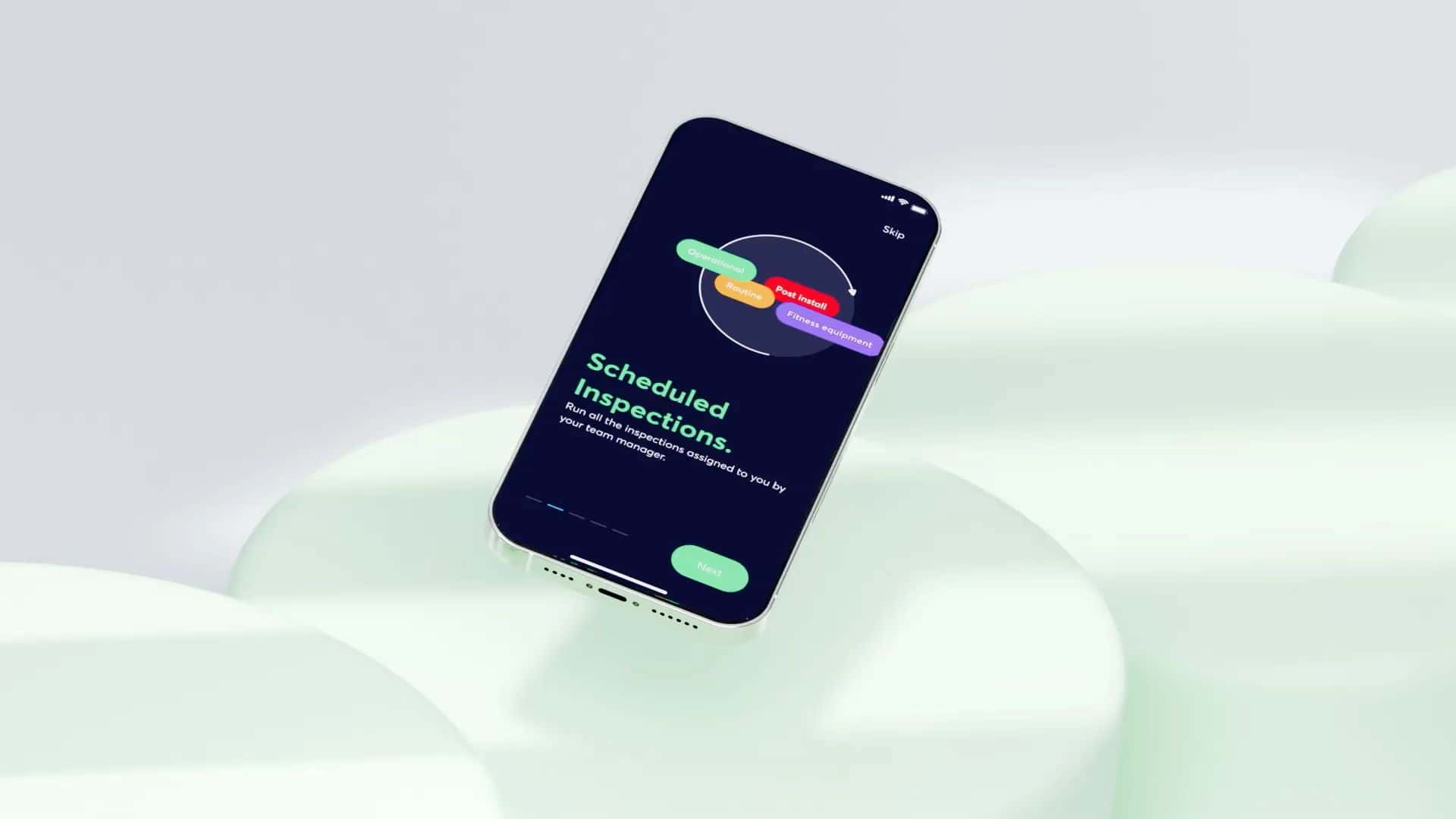
We delivered it as a blueprint: screens, flows, states and interface detail complete enough for Playground123's own developers to build against. That mattered, because they were not hiring us to build it. The design had to be unambiguous enough to hand over and survive translation by another team.