Mining, Oil & Gas

Mining Productivity App Design

How design got 700 sessions a month onto four open pits

MaxMine had the data to lift open-pit productivity and no way to put it in front of the people running the pit.

MaxMine measure productivity across open-pit mine sites. Turning that measurement into something a supervisor would open on shift was a different job, and one their internal team did not have the capacity to take on.

CodeFish Studio was brought in to design the app, against a deadline, with adoption on site as the only test that mattered.

The Challenge

Real-time data is worth nothing if operators and supervisors will not open the app on shift.

MaxMine measure what happens across an open-pit mine site — where the time goes, where productivity is lost, and what a crew could be doing differently. The measurement was already good. Getting it in front of the people who could act on it was the part that was not solved.

Two constraints hit at once. MaxMine did not have the internal design capacity to take it on, and the product had a deadline against it, with the UX work sitting directly on the critical path. Every week spent recruiting or waiting was a week the product did not ship.

The deeper risk was adoption. An operator or supervisor mid-shift has no patience for a screen that is slow, cluttered, or asks them to work out where to look. If the app failed to earn its place in the routine of a shift, none of the data behind it would be used, and the investment in measurement would return nothing.

That set an unusually blunt success test. Not whether the app was delivered, but whether people voluntarily opened it on site, week after week, once nobody was watching.
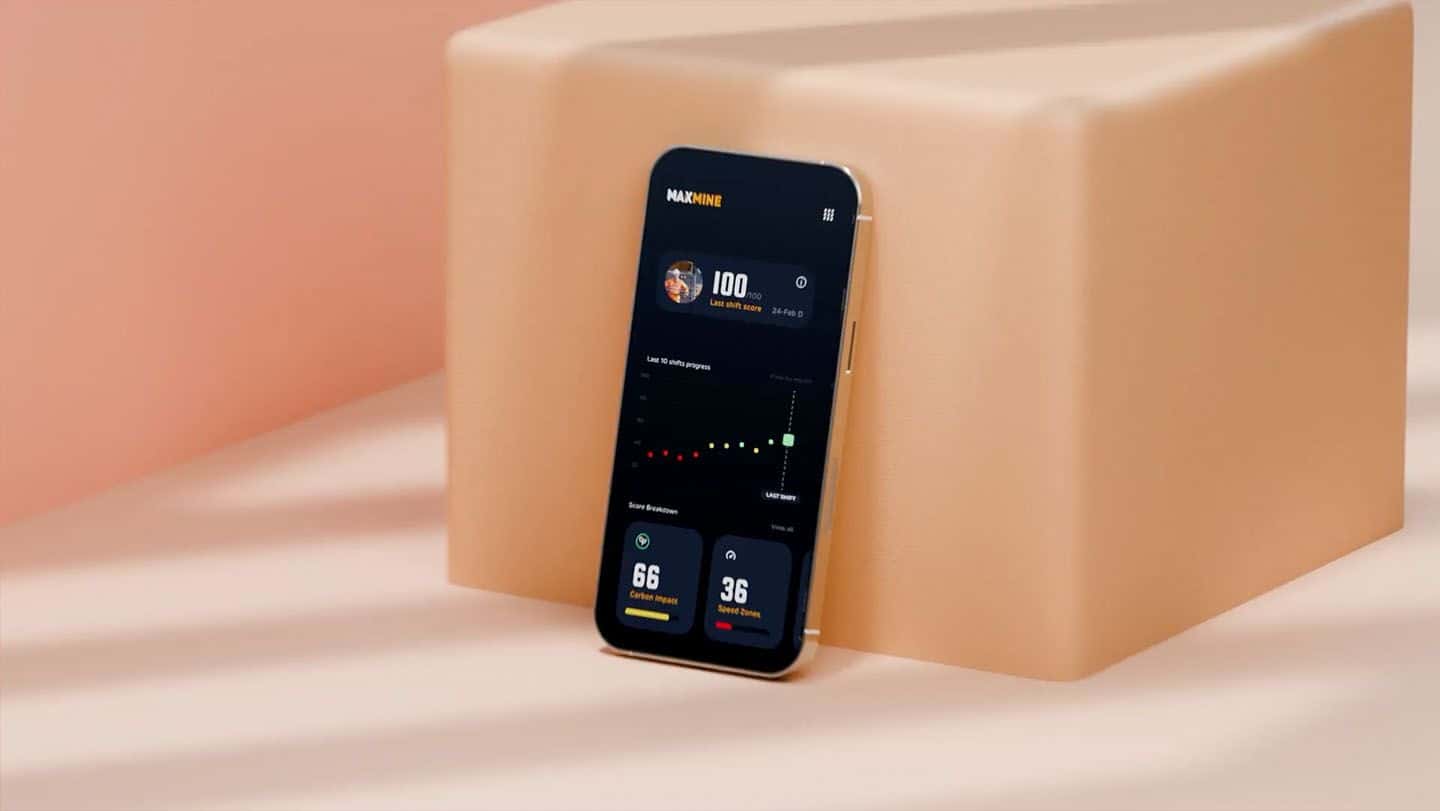
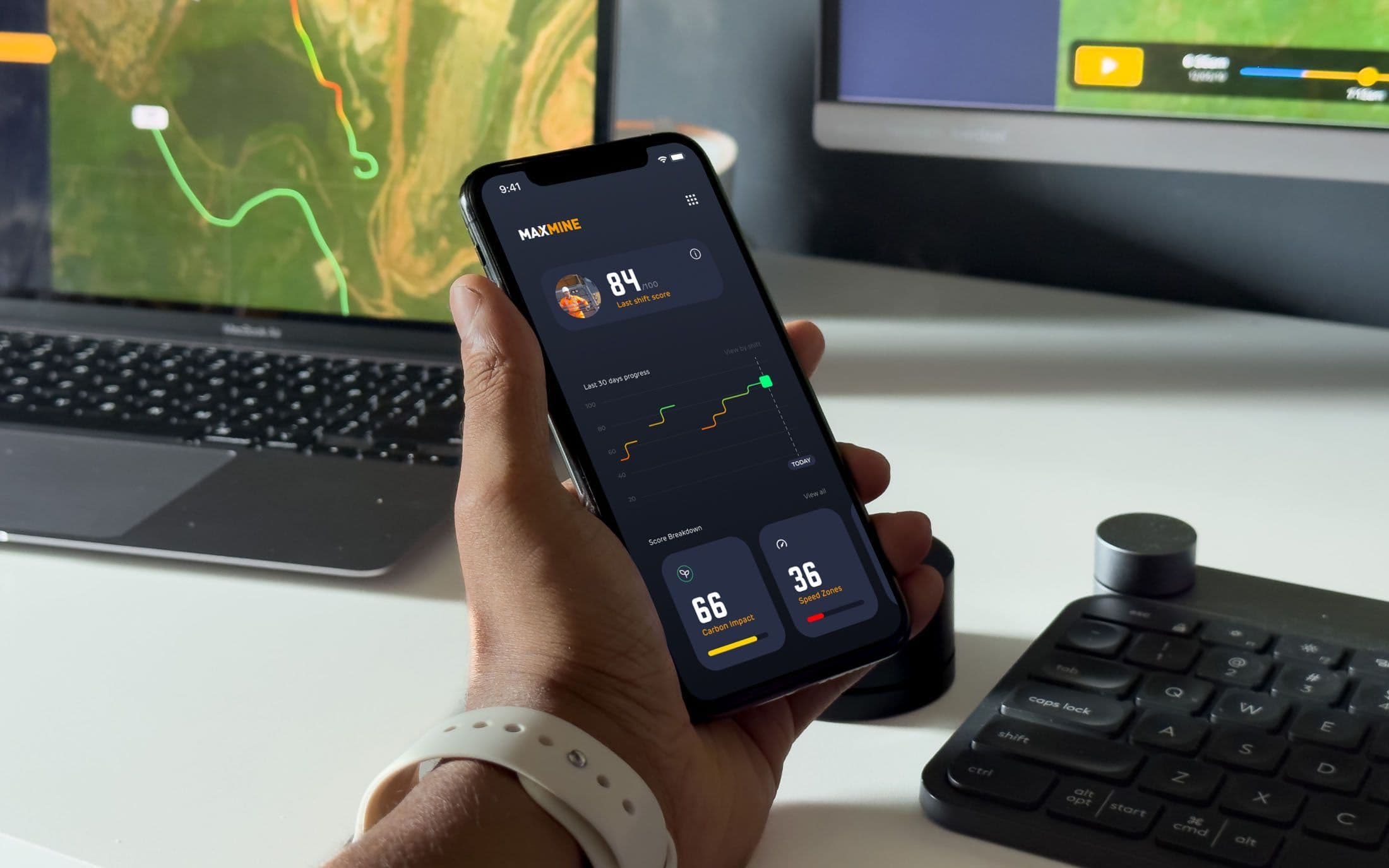
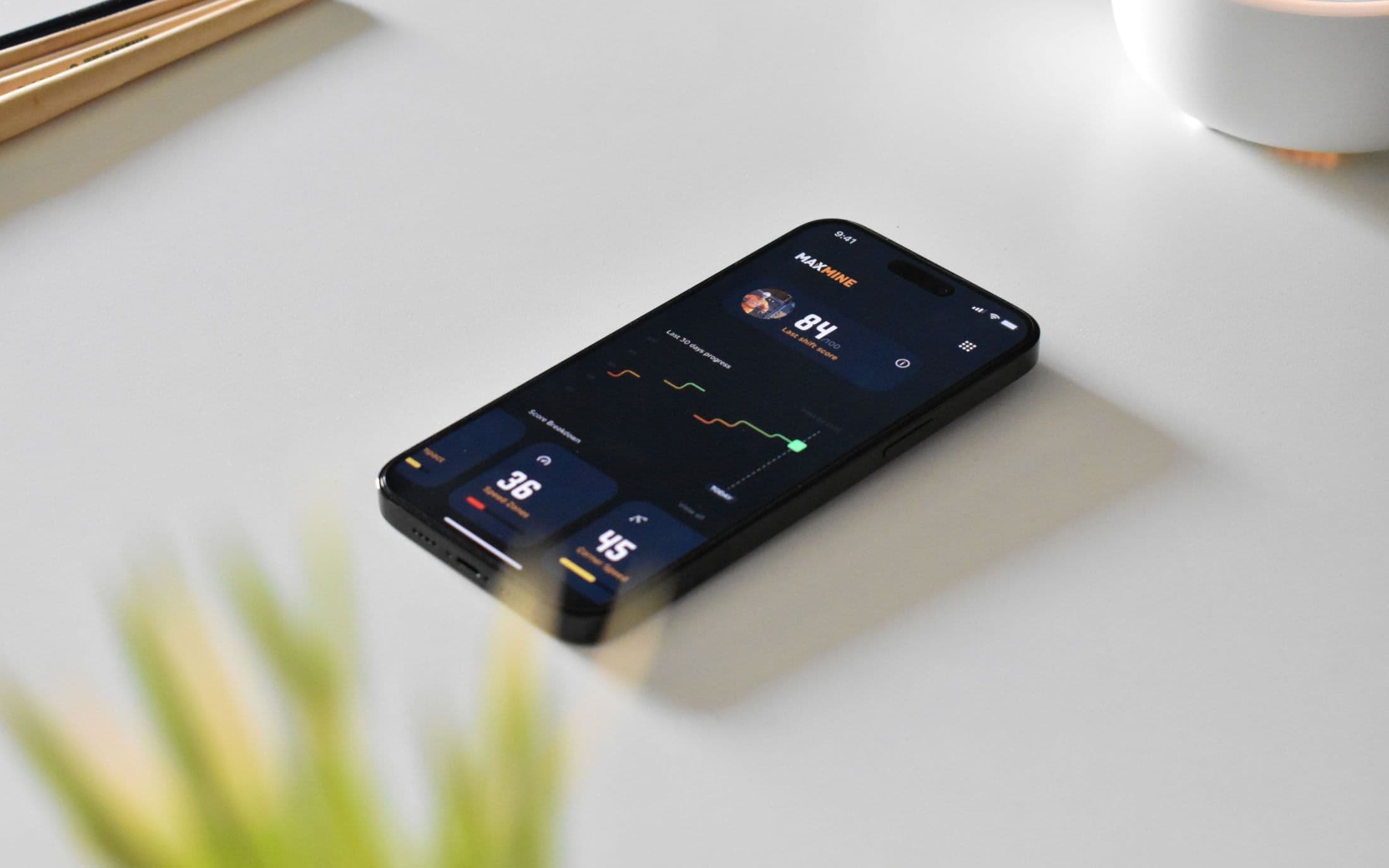
The MaxMine mobile app
The Approach

We worked inside MaxMine's team rather than beside it, which is what kept the project moving at their pace.

Our designers joined MaxMine's existing workflows, tools and meetings instead of running a parallel process with its own reporting overhead — so decisions got made where the rest of the product decisions were being made.

The design started from the shift, not the dataset. We built wireframes around what a supervisor genuinely needs while the work is happening — how the crew is performing now, and what is worth coaching on — rather than surfacing everything the data could support. Most of the design work was deciding what to leave out.

We held scope deliberately tight and delivered in order of value, so MaxMine had something real and usable early rather than a complete thing late. That mattered against the deadline, and it meant the riskiest assumptions about how the app would be used were tested against actual users sooner.

The follow-on work then ran with MaxMine's own UX lead. Because the reasoning behind the design was shared rather than handed over, that work carried straight on instead of restarting from a specification.

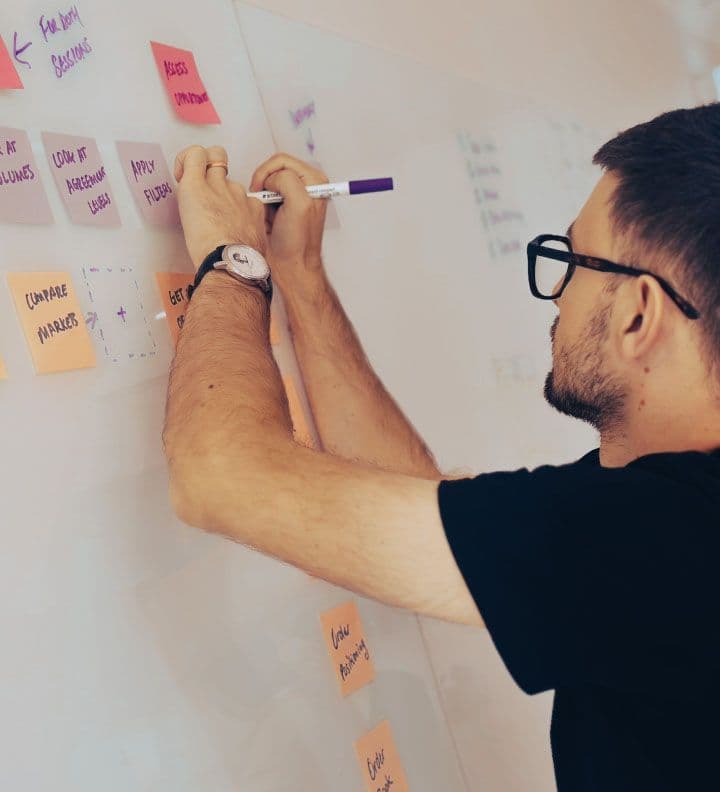
A CodeFish Studio team member undertaking a scoping workshop
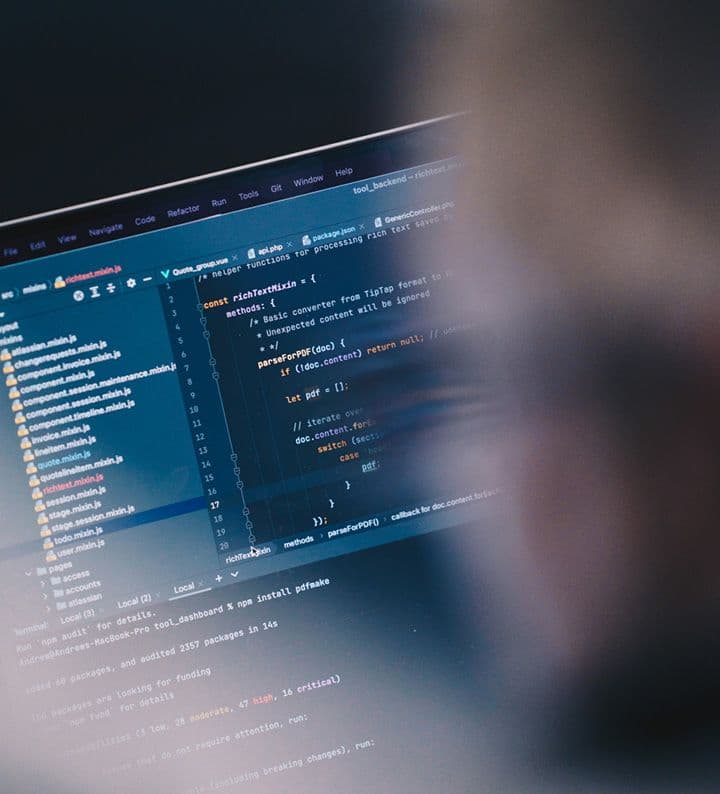
CodeFish Studio developing a mobile app

Embedded design team

Our designers inside MaxMine's workflows, tools and meetings rather than beside them.

Wireframing

Built around what a supervisor needs mid-shift, not everything the data could show.

UI design

An interface fast enough to earn its place in the routine of a shift.

Staged delivery

Shipped in order of value, so the riskiest assumptions met real users first.

The Solution

The app launched in December 2022 and still averages more than 700 sessions a month across four open pits.

It is deployed at multiple customer sites and still in daily use more than two years on. That number is the answer to the adoption question — this is a workforce that abandons software it does not find useful.

Supervisors get real-time performance in front of them and can coach against it during the shift rather than reviewing it afterwards, which is where the operational gain actually comes from. The insight travels with the app instead of depending on someone being free to interpret it, so MaxMine deliver value at scale with very little human input.

The design has since become the basis for extending the experience to new customers, which turns a single delivery into a repeatable asset for the business rather than a one-off project.

The operational gain is now on record. At a large open-pit gold and copper mine, MaxMine report a 12% sustained lift in average full haul speed and 13% fewer suspension alerts a day after putting operator performance in front of crews. The gain held for six months across every crew and shift.

700+ sessions a month

Sustained across four open pits more than two years after launch.

Deployed at multiple sites

In daily use across several MaxMine customer operations.

Coaching inside the shift

Supervisors act on performance while the work is still happening.

A reusable design

The same experience now extends to new MaxMine customers.

12% faster full hauls

Average full haul speed, sustained for six months at one open-pit mine.

13% fewer suspension alerts

Daily suspension alerts down across every crew and shift.

The level of design, consideration, and quality from CodeFish Studio is not readily available in the South Australian market. They fill a huge gap for high-quality, crafted digital experiences.

Ben ChartierHead of Product Development, MaxMine
The MaxMine mobile app

Ready to build something great?

Local partners, global standards – full service design and development.