Mobile App Development

App development in Adelaide for iOS, Android and cross-platform apps, built to a fixed price. Consumer products, enterprise tools and field apps.

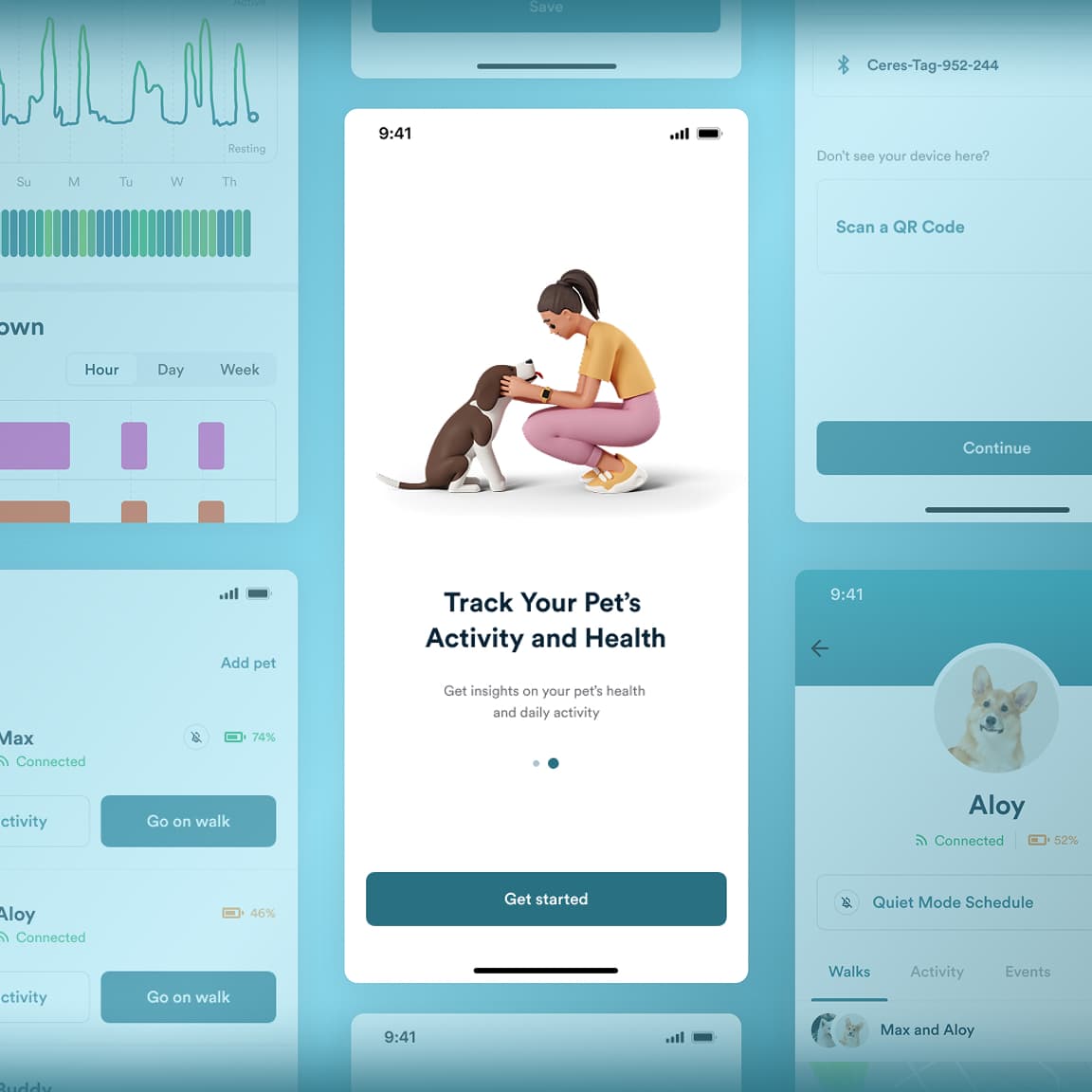
Pet tracking app screens showing onboarding, device pairing, activity charts and pet profiles

What does mobile-first actually mean?

Too many mobile apps are web products squeezed onto a smaller screen. Real mobile software is designed for the context people use their phones in - one hand, limited attention, variable connectivity, and platform conventions users expect without thinking about them.

CodeFish Studio is a team of app developers in Adelaide, designing and building iOS and Android apps for businesses across Australia — for mobile from the start, not as an adaptation of something else. Whether that means a native iOS and Android codebase or a cross-platform approach depends on your requirements. We will tell you which is right for your situation and why.
How does an app get from design to the stores?

Should we design per platform?

UI and UX designed to the conventions of iOS and Android respectively. Gestures, navigation patterns, and interaction models that feel native - not a single design applied to both and called done.

Build and test on device

Development runs in sprints with regular builds deployed to real devices for testing. Performance, connectivity edge cases, and platform behaviour are tested throughout, not at the end.

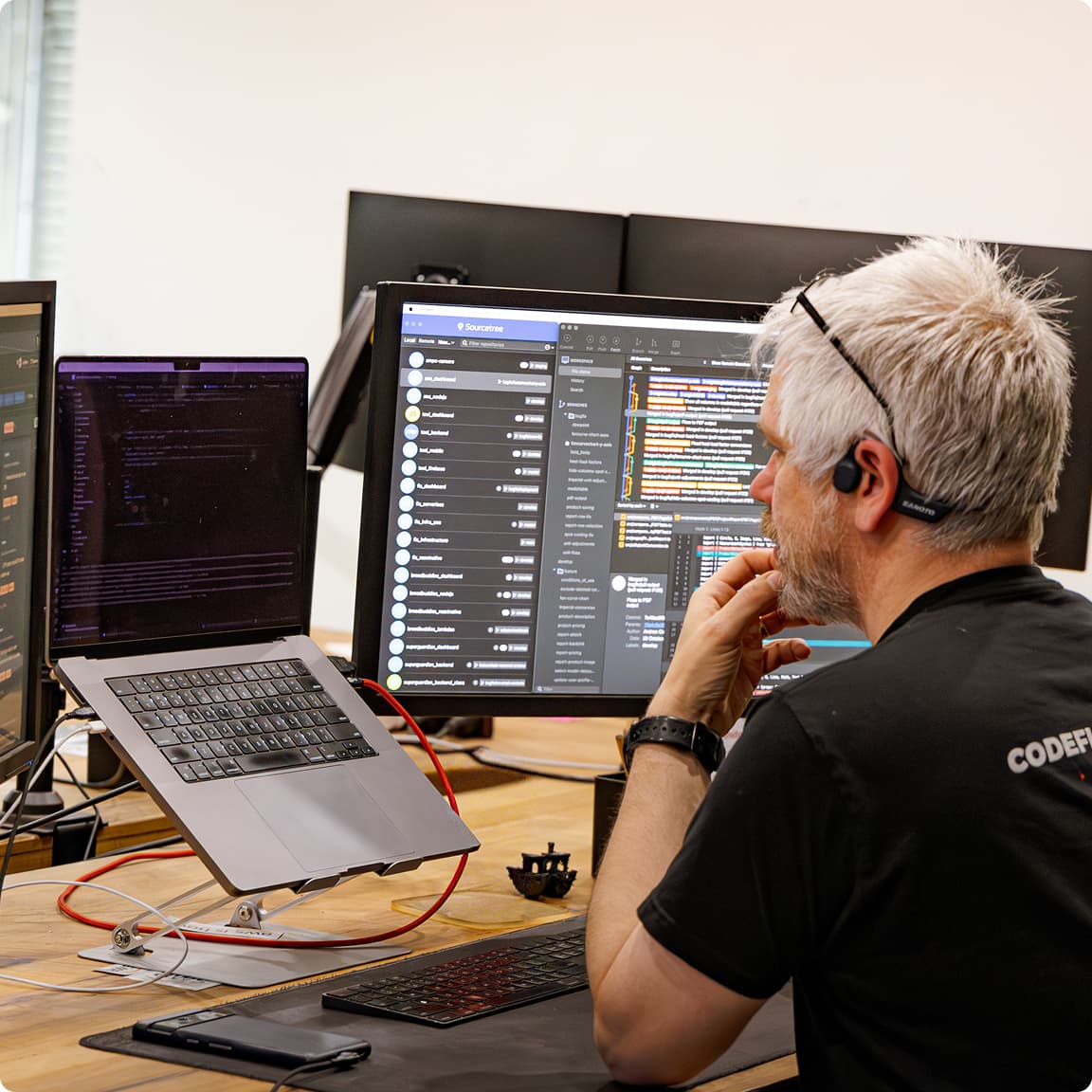
A CodeFish developer reviewing a project's commit history on screen

How do we ship to the stores?

App Store and Google Play submission, review management, and post-launch support. We handle the store process and stay available through the submission period so nothing stalls at the finish line.

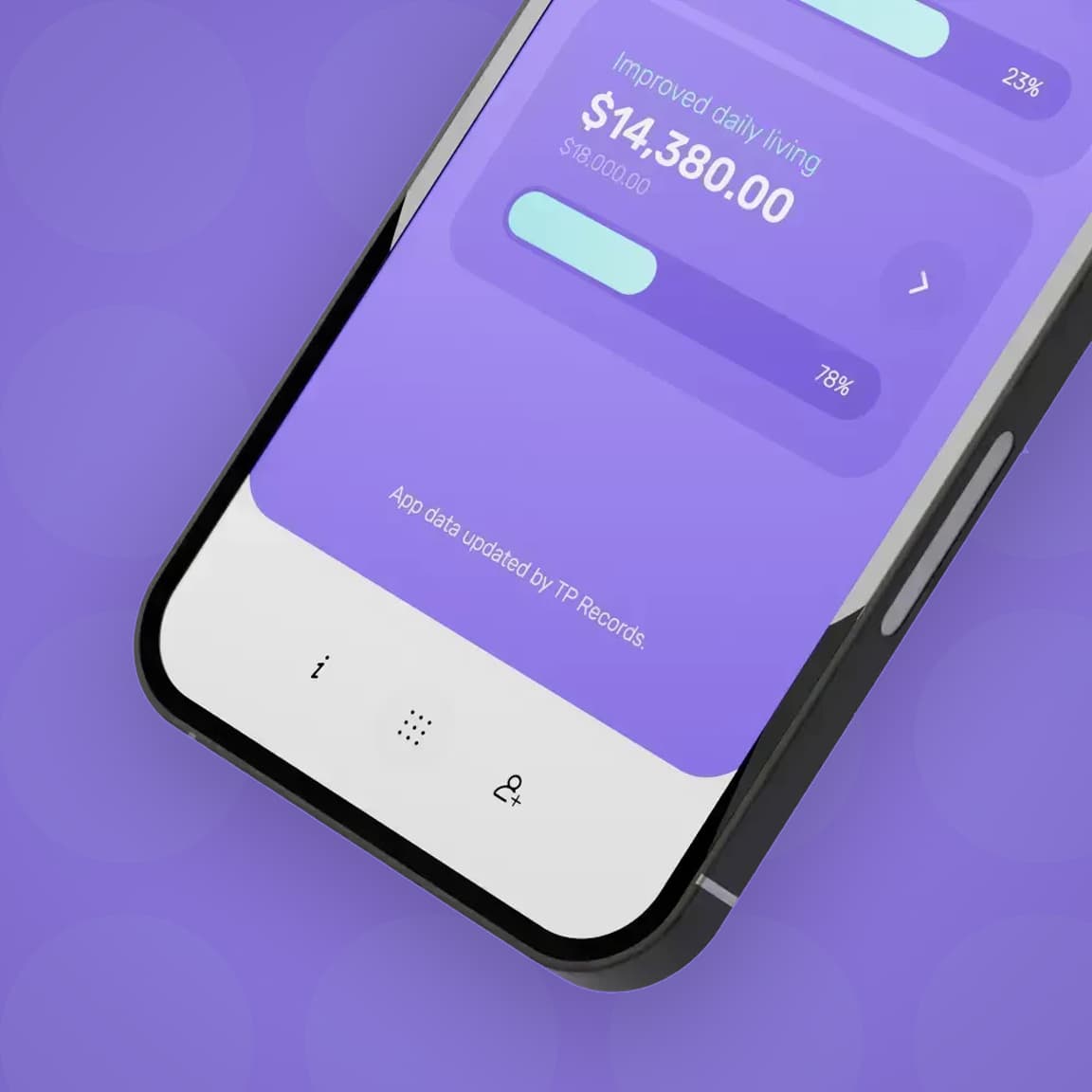
Phone screen showing a funding balance of $14,380.00 against an $18,000 budget with progress bars

What does it cost to build an app in Australia?

There is no rate-card figure, because an app is priced to what it has to do. A focused first version for one platform sits well below a multi-feature product across iOS and Android with a backend and integrations.

The honest number comes from scoping. A Rapid Insight Workshop at a fixed $9,000 + GST, or a Scoping Workshop where the requirement is already clear, defines version one and hands back a fixed price before any build begins. The scope is yours to take anywhere.

Budget for after launch too. Apple and Google ship major OS updates every year, and an app people rely on needs those changes made on schedule rather than after something breaks.

Real mobile software is built for one hand, limited attention and a signal that comes and goes.

What does a mobile app build look like?

Picture a maintenance business whose technicians carry a paper job sheet and a phone. The office books jobs in the job system, prints the sheets each morning, and spends the afternoon typing in what comes back: hours, parts used, photos sent by text, a customer signature on a crumpled page. Invoices go out a week late because the paperwork has to arrive first.

The app gives each technician their day's jobs on the phone, pulled from the job system overnight and stored on the device. On site, they record hours and parts against the job, take photos inside the app and capture the customer's signature on screen. None of that needs signal. When the phone reconnects, the job updates in the office system and the invoice can go out that day.

Version one is deliberately narrow: one platform the crews already carry, the five screens they use every day, and a connection to the system the office already runs. Quotes, timesheets and stock checks wait for version two, once the crews have used the first one for a few months. What gets measured is the gap between finishing a job and sending the invoice, and the hours the office no longer spends retyping job sheets.

Which platforms does our Adelaide app development cover?

iOS development

Native iOS apps built for iPhone and iPad. Swift, SwiftUI, and the Apple platform conventions that App Store reviewers and iOS users expect.

Android development

Native Android apps built for the full range of Android devices. Kotlin, Jetpack Compose, and the Google Play requirements handled from the start.

Cross-platform

React Native for codebases that need to run on both platforms without duplicating the build effort. The right choice when requirements and timelines make a shared codebase worth the trade-offs.

What do we build with?

  • React Native

  • Swift

  • SwiftUI

  • Kotlin

  • Jetpack Compose

  • TypeScript

  • Expo

  • iOS

  • Android

  • App Store Connect

  • Google Play Console

  • Firebase

  • Supabase

  • REST APIs

  • Push notifications

  • TestFlight

  • Fastlane

Mobile app questions we get asked

It depends on your requirements, timeline, and budget. Native gives you the best platform performance and access to the full range of platform APIs, but means two codebases to maintain. Cross-platform with React Native reduces that overhead and is the right call for most projects. We will give you our honest view on which fits your situation based on what you are building.

A focused first version is typically a few months; a fuller product with a backend and several integrations runs longer. We work in sprints with builds you can install as we go, so you see progress continuously rather than waiting for one reveal at the end.

Yes. We set up your developer accounts if needed, manage the submission process, and handle reviewer feedback. App Store review can be unpredictable, so we build submission time into the project plan rather than treating it as a formality at the end.

Yes, if the job needs it, and we decide that at scoping rather than discovering it on site. An offline app stores the data a person needs for the day on the phone, lets them keep working without signal, and sends their changes when the connection returns. The hard part is not storing data, it is deciding what happens when two people change the same record while one is offline. We agree those rules with you up front, such as the office's change winning or the latest change winning, and test them on real devices in flight mode, in lifts and at the edge of coverage before launch.

A rejection usually means a few days of changes and a resubmission, not a lost launch. Apple and Google both publish review guidelines, and the common reasons for rejection are predictable: missing privacy disclosures, a login reviewers cannot get past, permissions the app asks for without a clear reason, or a feature that looks like a website wrapped in an app. We design to those rules from the start, give reviewers a test account and notes, and submit a test build early so problems surface before launch week. If a rejection does come, we read the reviewer's notes, fix the issue and resubmit, and we keep that time in the plan.

The yearly running cost of an app is mostly hosting, store fees and the work to keep it current, not the app itself. Apple charges an annual developer fee and Google a one-off one, both small. Hosting for the backend and any third-party services, such as maps, push notifications or text messages, scale with how many people use the app. The larger cost is upkeep: Apple and Google release major OS updates every year, and an app that is not updated starts to break or gets pulled from the stores. We set out these costs at scoping, so the yearly figure is known before you approve the build.

Yes. We do a technical review of the existing codebase first so we both understand what we are working with. Sometimes extending what exists is the right call. Sometimes starting clean is faster and cheaper in the long run. We will tell you which, with a reason.

iOS and Android both release major platform updates annually that can affect how your app behaves. We offer ongoing support agreements that keep your app current, handle OS compatibility updates, and give you a team to call when something needs to change.

Yes. Mobile apps that connect to existing backends, CRMs, or databases are a significant part of what we build. We scope the integration requirements upfront and build the API layer as part of the project, not as an add-on at the end.

Yes. CodeFish Studio is an Adelaide software studio, and the people who scope your app are the people who build it. We work with businesses across Australia: workshops can run in person in Adelaide or online, and the build runs the same way either way.

Yes, outright. The codebase, the repository, and the app store listings are yours, published under your own developer accounts rather than ours. That matters more than it sounds: apps published under an agency account are painful to move later. We set it up your way from the start.

Mobile adds two problems a web app does not have: data sitting on a device you do not control, and app store privacy disclosures. We design for both — sensitive data kept off the device or stored in the platform's secure storage, tokens handled properly rather than cached in plain text, and the permissions your app requests kept to what it actually needs. App store data disclosures are prepared as part of release rather than rushed at submission. Where your obligations require Australian hosting for the backend, we build it that way.

Who we work with

BreedBuddies
MAXMINE
Department of Primary Industries (PIRSA)
Energy Flex
Vodafone
CERES TAG