Web App Development

Web application development services for internal tools, customer portals and SaaS products. Built in Adelaide to a fixed price, with a one-year warranty.

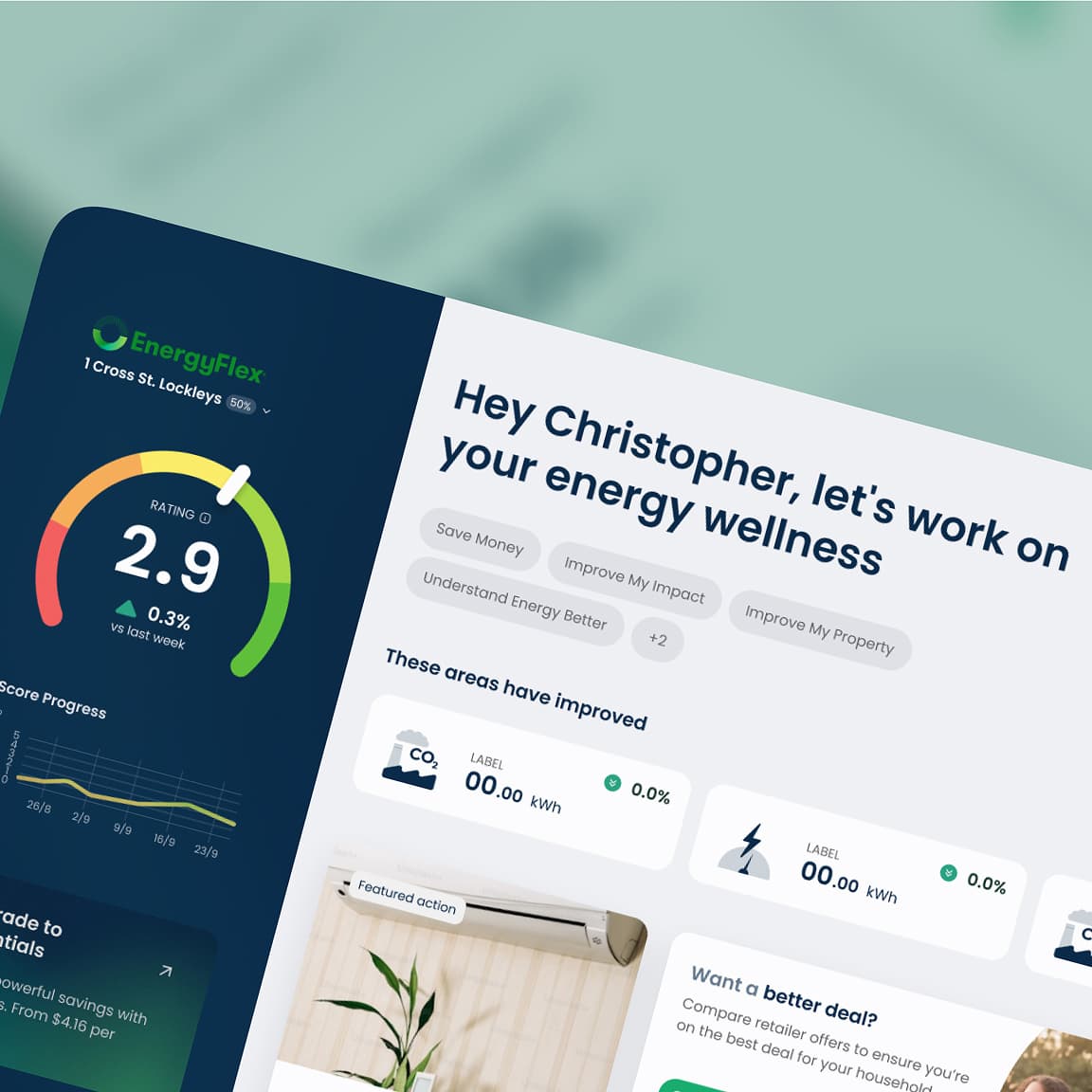
EnergyFlex dashboard showing a 2.9 energy rating gauge, score progress chart and improvement actions

What problems does web app development solve?

A web app is what most businesses actually need when they say they need software: something staff or customers log into, that holds the real data, enforces the real rules, and works on whatever device is to hand.

CodeFish Studio is a team of application developers in Adelaide, building web apps for businesses across Australia: internal platforms that replaced entire manual processes, customer-facing products used by tens of thousands of people, and SaaS tools that opened new revenue lines. The approach is the same every time: understand the problem properly, scope it tightly, and build it once.
How does web app development run?

Scope it before we build it

Every project starts with a requirements document. We define what is being built, how each feature works, and what is out of scope before a line of code is written. That document is the basis for your fixed-price quote and the reference point for everything that follows.

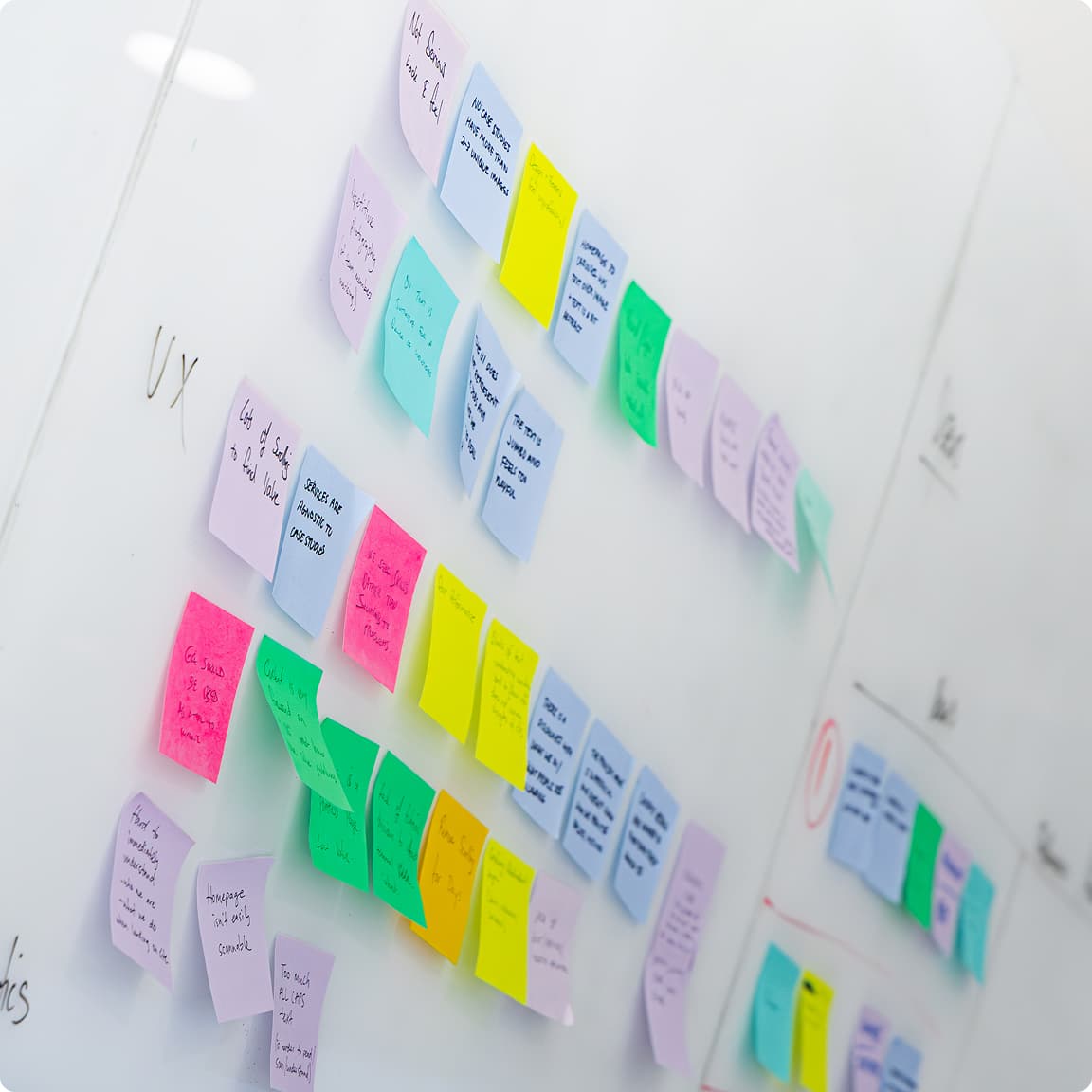
A whiteboard covered in colour-coded sticky notes from a UX workshop

Build it in sprints

Development runs in two-week sprints with regular check-ins against agreed scope. You see progress as it happens and can give feedback before decisions become expensive to undo.

Hand it over clean

Full codebase handover, documentation, and a one-year warranty post-launch. Your team or any competent developer can pick it up and keep building. No dependency on us unless you want one.

What do our web application development services cover?

Different jobs, one browser — what changes is who logs in and what the software is responsible for.

Internal tools and platforms

The system your team works in all day: jobs, scheduling, approvals, records. Usually replacing the spreadsheet with one author and no backup. Most internal tools get abandoned because they are slower than what they replaced, so we build with the people who will use it, starting with the one tool worth doing first.

Customer and supplier portals

Self-service for the things people currently phone about — order status, documents, requests. The saving shows up as calls that stop arriving, which is easy to measure.

Software you sell

A product with accounts, billing and tenants. Different constraints from an internal tool: onboarding, uptime and support all become part of the build rather than afterthoughts.

The layer over your systems

A screen that pulls together what several systems each know, so nobody switches between four tabs and reconciles by eye. Often the highest-value build and the least visible one.

Field and floor tools

Browser-based, built for a phone in a gloved hand or a tablet on a bench. Capture has to be faster than paper or it does not happen, and everything downstream depends on it.

What decides whether it holds up?

The interesting decisions are not visual. Who sees what, what happens when two people edit the same record, and how it talks to your other systems decide whether it holds up.

Build it, or buy a product?

Buy where your process looks like everyone else's: accounting, payroll and CRM have mature products. Build where the process is why customers choose you, because forcing it into a product's shape gives that advantage away.

The common answer is both: buy the standard parts, build the part that is yours, and budget for connecting them. Watch for the eighty per cent trap, where the missing twenty per cent is where your margin lives.

What does a web app cost?

Start with a workshop

A Rapid Insight Workshop at a fixed $9,000 + GST, or a Scoping Workshop when the requirement is clear, gives you a costed scope to take anywhere.

Scope sets the price

Scope and integrations move the price, not screens, so the honest number comes after scoping rather than before it.

Fixed-price, smallest first

Builds are quoted fixed-price, and the first version is the smallest one worth using, shipped in weeks.

Budget for after launch

Security patches, updates and changes from real use are agreed before launch; ongoing work runs as Apex, a defined build as Amplify.

Scope it properly, build it once, and own every line of the code when it is done.

What other web apps have we built?

What do we build web apps with?

  • React

  • Node.js

  • TypeScript

  • PostgreSQL

  • Supabase

  • Firebase

  • AWS

  • Vercel

  • REST APIs

  • GraphQL

  • Docker

  • CI/CD

  • Redis

  • Stripe

  • Auth0

  • Prisma

  • Next.js

Web app development questions we get asked

Yes. CodeFish Studio is an Adelaide software studio, and the people who scope your web app are the people who build it. We work with businesses across Australia: workshops can run in person in Adelaide or online, and the build runs the same way either way.

Yes, outright. The codebase, the repository, all of it. No licence fees, no ongoing dependency on CodeFish to keep things running. If you want us to stay involved after launch we offer ongoing support, but it is never a condition of delivery.

Yes. We regularly inherit codebases and extend them. Before we commit to a price we do a technical health review so we both understand what we are working with. If what exists is too problematic to build on, we will tell you that upfront.

Yes. Integration work is a core part of what we do — CRMs, ERPs, third-party APIs, internal databases. We scope integration requirements from the start so nothing is treated as an afterthought at the end of the project.

Fixed price, scoped upfront. We produce a requirements document that defines exactly what is being built, then quote from it. For smaller projects with a clear brief we can move straight to a quote. For larger or more complex builds we run a scoping workshop first.

Straightforward internal tools typically run six to twelve weeks. Production-grade customer-facing platforms typically run three to six months depending on scope. Every quote includes a realistic timeline based on the actual work, not a generic estimate.

You need a clear picture of the problem, not a finished specification. Bring the spreadsheets, forms or tools the app will replace, a list of who will use it and what each role needs to do, and the systems it has to talk to, such as Xero, MYOB or your CRM. Examples of reports or screens people already rely on help too. If the requirement is still fuzzy, a short scoping engagement turns it into a requirements document we can price from. If it is already clear and small, we can often quote after one or two conversations.

Changes are expected, and they go through a simple change request rather than quietly growing the scope. When you see the app in a sprint review and want something different, we write down what changes, what it does to the price and timeline, and you approve it before the work starts. A swap of equal size can often be traded within the price, because something else comes out. Anything that adds work is priced on its own, so the original fixed price stays fixed and you always know what you are paying for and why.

Defects in what we built are covered for the first year under the warranty. Beyond that, support is a monthly arrangement agreed before launch, sized to how much the app does and how much it will change. It covers security patches, dependency and hosting updates, monitoring, and a set amount of time for small improvements. Hosting, on AWS or Vercel for example, sits in an account you own. If you would rather run it yourselves, the documentation and code handover mean your team or another developer can take it over.

Off-the-shelf wins when your process looks like everyone else's. Custom wins when the process is the thing you are good at, and bending it to fit a product would cost you the advantage. Most businesses need both, and the useful work is deciding which is which before anyone builds anything.

A web app where the work happens at a desk or on a tablet and you want one codebase and instant updates. A mobile app where you need the camera, offline use, or a home-screen icon people tap every day. Plenty of operations want a web app for the office and a mobile app for the field, and the two share the same backend.

Software that people rely on needs someone responsible for it — security patches, dependency updates, and the changes that come from real use. That is a support arrangement, not an afterthought, and it should be agreed before launch rather than after the first incident.

Security is decided at the architecture stage, not bolted on before launch. That means access control and permissions designed around your actual roles, encryption in transit and at rest, secrets kept out of the codebase, and dependencies patched through the warranty period. Hosting can sit in Australian regions where your obligations or contracts require it. If your organisation has specific standards to meet, bring them to the scoping conversation and we will design to them and document how each one is met — and tell you plainly if something is outside what we can commit to.

A web app you own outright — built around the way your business actually works.

Who we work with

CERES TAG
Air Diffusion Agencies (ADA)
TP Records
Energy Logistix
Resvu
Legend Corporation
Unitywater