Custom Software Development

Custom Software Development

Should you build custom software? How to tell when off-the-shelf tools have stopped fitting the way you work, what a build costs, and who owns the result.

Should you build custom software, or keep bending off-the-shelf tools to fit how you work?

When off-the-shelf stops fitting

There is a point where spreadsheets, disconnected tools and manual workarounds cost more than they save. Custom software replaces that friction with a system designed around your actual process.

The signs show up before the bill does: staff rekeying the same data into three systems, a spreadsheet only one person can fix, and quotes that wait on a workaround. Below are the builds we do most often to replace them.
How a custom build runs

Scope it properly

Before a line of code, we define what the software has to do and what it is worth. A scoping or rapid insight workshop turns a rough idea into a costed, buildable plan.

Two CodeFish team members in discussion across a meeting room table, one taking notes

Design and build in sprints

Regular builds you can see and use, not a black box that reappears months later. You steer as it takes shape.

A CodeFish developer working across three monitors, reviewing code and version history

Ship, warranty, and support

We launch it, back it with a warranty, and stay available. The codebase and the IP are yours.

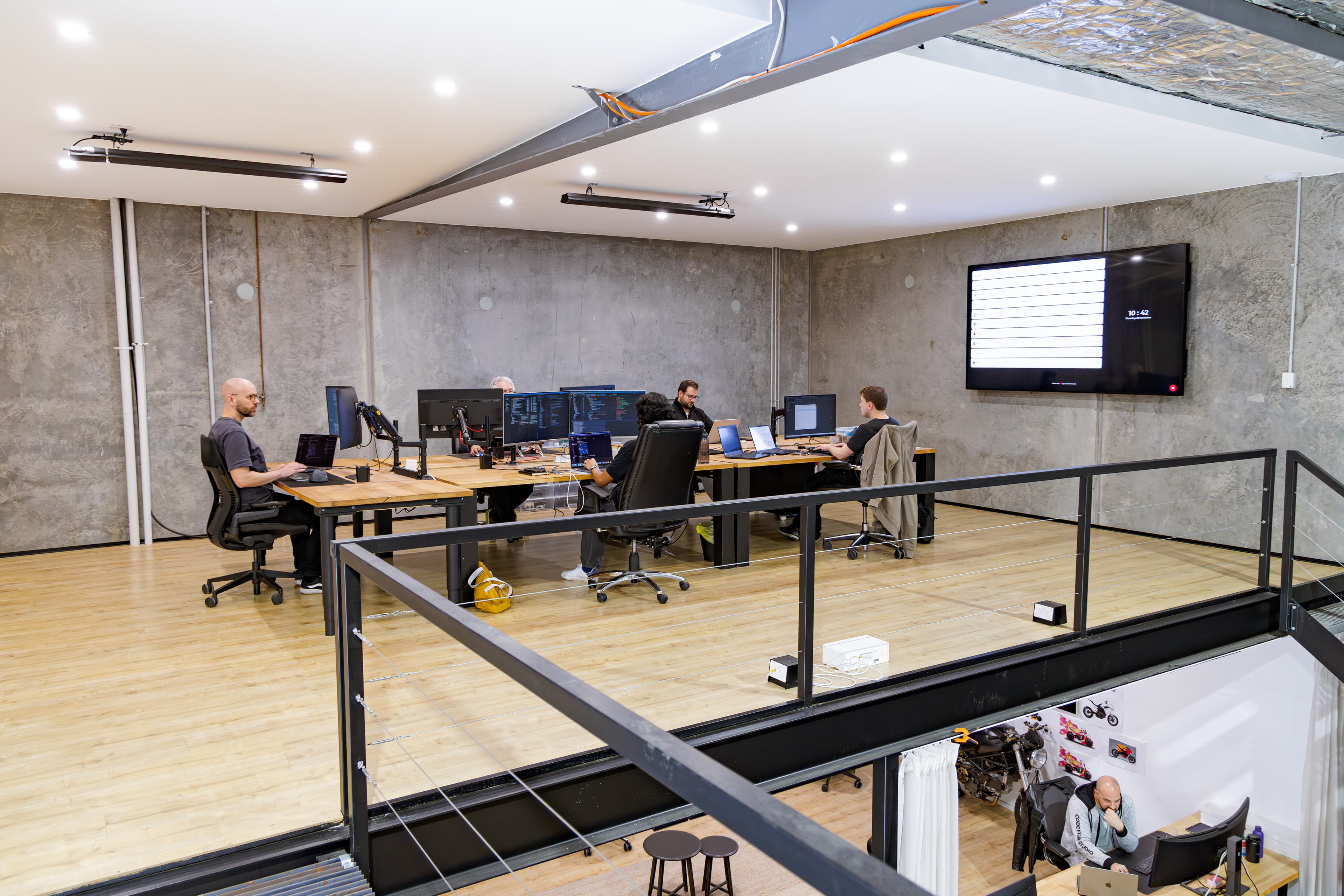
The CodeFish Studio workspace in Adelaide, developers working at desks on the studio floor

Custom software questions we get asked

There is no single figure, because custom software is priced to what it has to do. The honest answer comes from scoping: a short, paid discovery step where we define the requirements and hand back a fixed price before any build begins. Small internal tools start in the tens of thousands; a full platform is a larger investment. You will never get a real number from a rate card, only from someone who has understood the problem first.

Off-the-shelf wins when your process is standard and a product already fits it. Custom wins when the way you work is the advantage: when you are bending three tools and a spreadsheet to fit, paying per-seat for features you will never use, or being told 'the software can't do that.' If the workaround is now part of the job, that is the signal you have outgrown off-the-shelf.

Most builds run from a few months for a focused tool or MVP to six months or more for a full platform. We work in sprints with regular builds you can use, so you see progress continuously rather than waiting for one big reveal. Scoping sets a realistic timeline up front, and because it is fixed price, the timeline does not quietly stretch to pad hours.

You do. The codebase and the intellectual property are yours, handed over in full. You are never locked into us to keep your own software running, though most clients stay on because the partnership is worth it, not because they are trapped.

Ready to build something great?

Local partners, global standards – full service design and development.