You do not have time for software that does not fit how the floor actually works. We build to match how your production runs day to day, not how a generic system assumes it should. That means the pace you work at, the food safety rules you answer to, and the messy real-world steps in between.
Food & Beverage
Custom software for food manufacturers that fits the floor, cuts the paperwork and keeps every batch traceable.
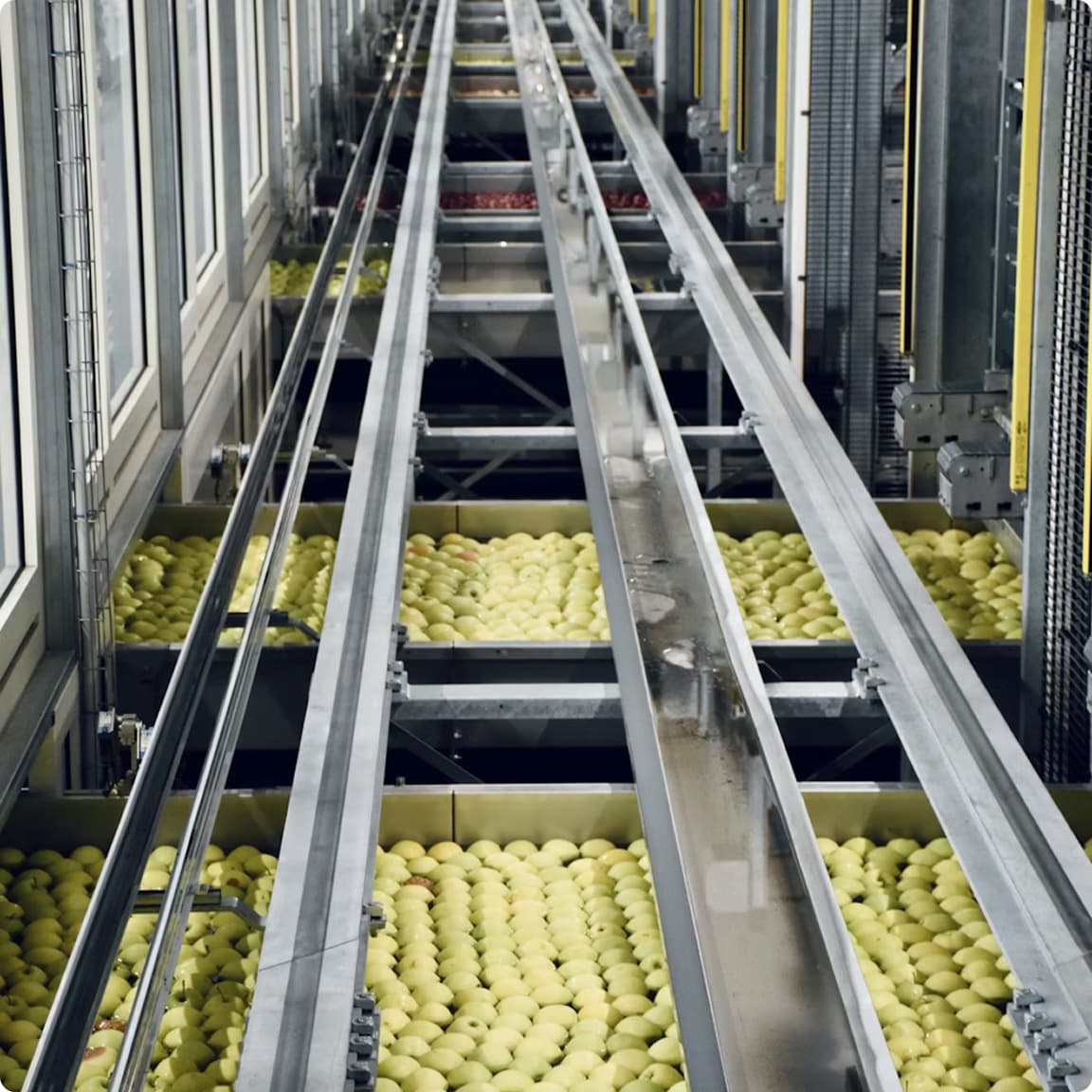
From recipe to shelf, without the guesswork
- Trace every product back to its ingredients and forward to where it shipped
- Batch records, lot tracking, and audit trails built into the daily workflow, not bolted on
- Connect the tools you already run — production, stock, ERP, and sales — so numbers match
- Build food safety and compliance in from the start, so an audit is a quick export, not a scramble
- Keep working as your volumes grow, without a rebuild
What a recall-ready batch record captures
A recall is only as narrow as the weakest of these six records. They are listed by how often an audit finds the gap.
Goods in, by lot
Every ingredient and packaging delivery captured against a supplier lot, with the certificate of analysis attached. A record that names an ingredient but not its lot cannot narrow a recall.
The batch record
What was made, when, on which line, by whom, from which lots and at what yield. Captured as production happens, not copied from paper at the end of the shift.
Critical control points
Temperatures, metal detection, pH and checkweights recorded against the batch. A failed check raises a corrective action that cannot be skipped.
Allergens and changeovers
What ran before, what cleaning was done and who signed it off. This is where paper is most often right in practice and unprovable at audit.
Goods out, by customer
Which batch codes went on which pallets to which customer, and when. Without it the forward trace stops at the warehouse door.
The mock recall
The trace run on demand, forwards and backwards, as a report. Retailers and certifiers expect it within set hours, so this is the real test of the system.
Traceability, HACCP and production software for food manufacturers
Each card is a page you can read on its own. A trace usually breaks in the handover between two systems, not inside one.
Warehouse management
Batch and expiry enforced on the pick, so the oldest stock leaves first and nothing short-dated goes out the door.
Systems integration
Quality checks, production runs and demand planning joined to the ERP and warehouse, so a batch is recorded once and read everywhere.
ERP integration
Ingredient cost, yield and price in one place, so margin per product is a number rather than an estimate.

Outgrowing CartonCloud
A system built for third-party logistics, in a business that owns its own stock. Connect it, build around it, or replace it — and what each costs.

Data, compliance, and integrations done properly
Food and beverage runs across suppliers, changing rules, and tight margins. Off-the-shelf tools only cover a slice, so your team fills the gaps by hand.
We build the layer that ties it together: production data, compliance records, stock, and sales channels in one set of numbers everyone can trust. Batch data flows straight into dispatch, and compliance records fill themselves in as the work happens.
Seasonal demand, changing food safety rules, and suppliers who never quite line up — we build systems that take all three in their stride.
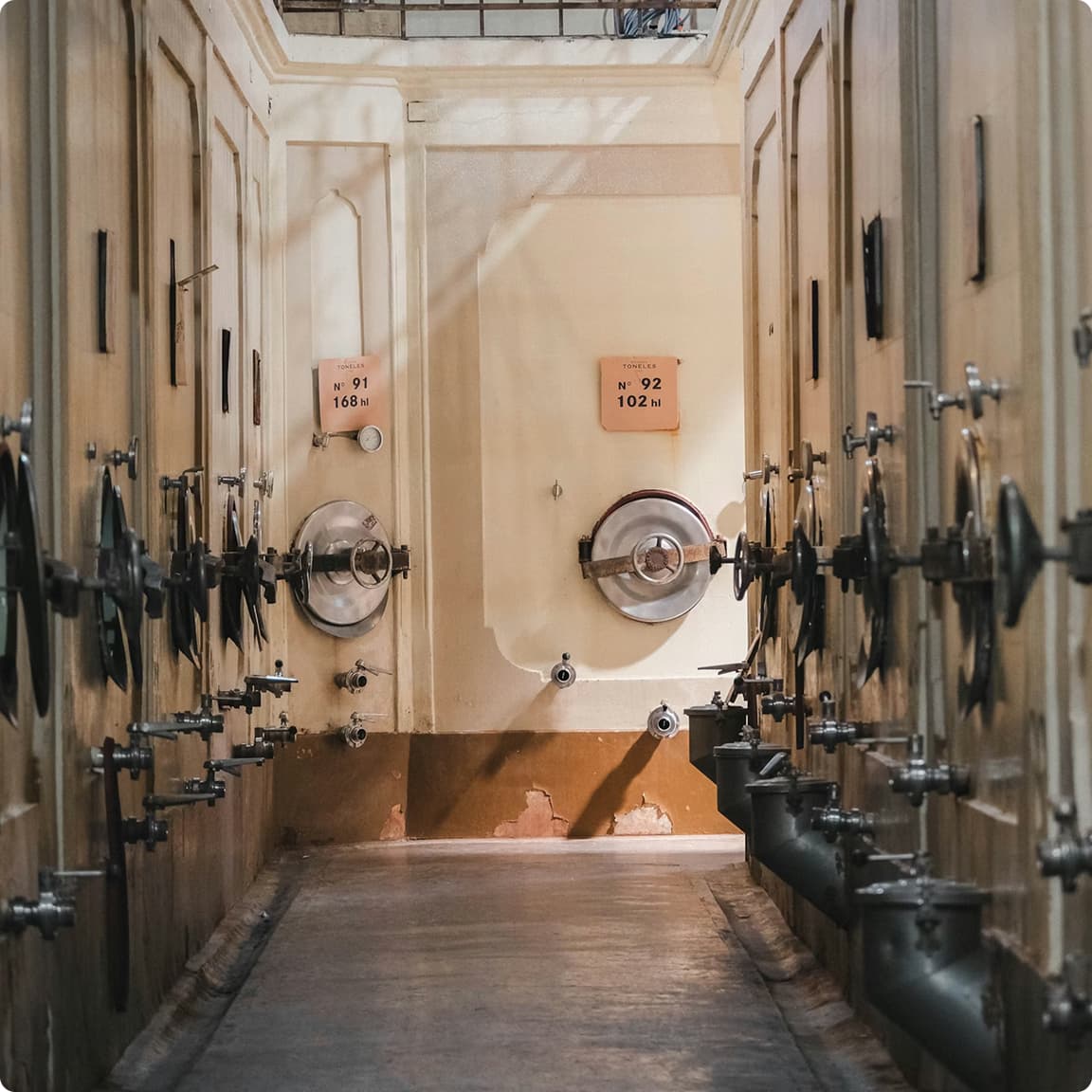
How we work with F&B teams
We start by learning how your production runs. Then we find where the time and errors come from: data typed in twice, compliance gaps, or systems that buckle at your volumes. We work in short sprints alongside your team and test against real production conditions before anything ships.
- A dedicated team, not a ticket queue
- Food safety and compliance built to from day one
- Support and improvements after launch
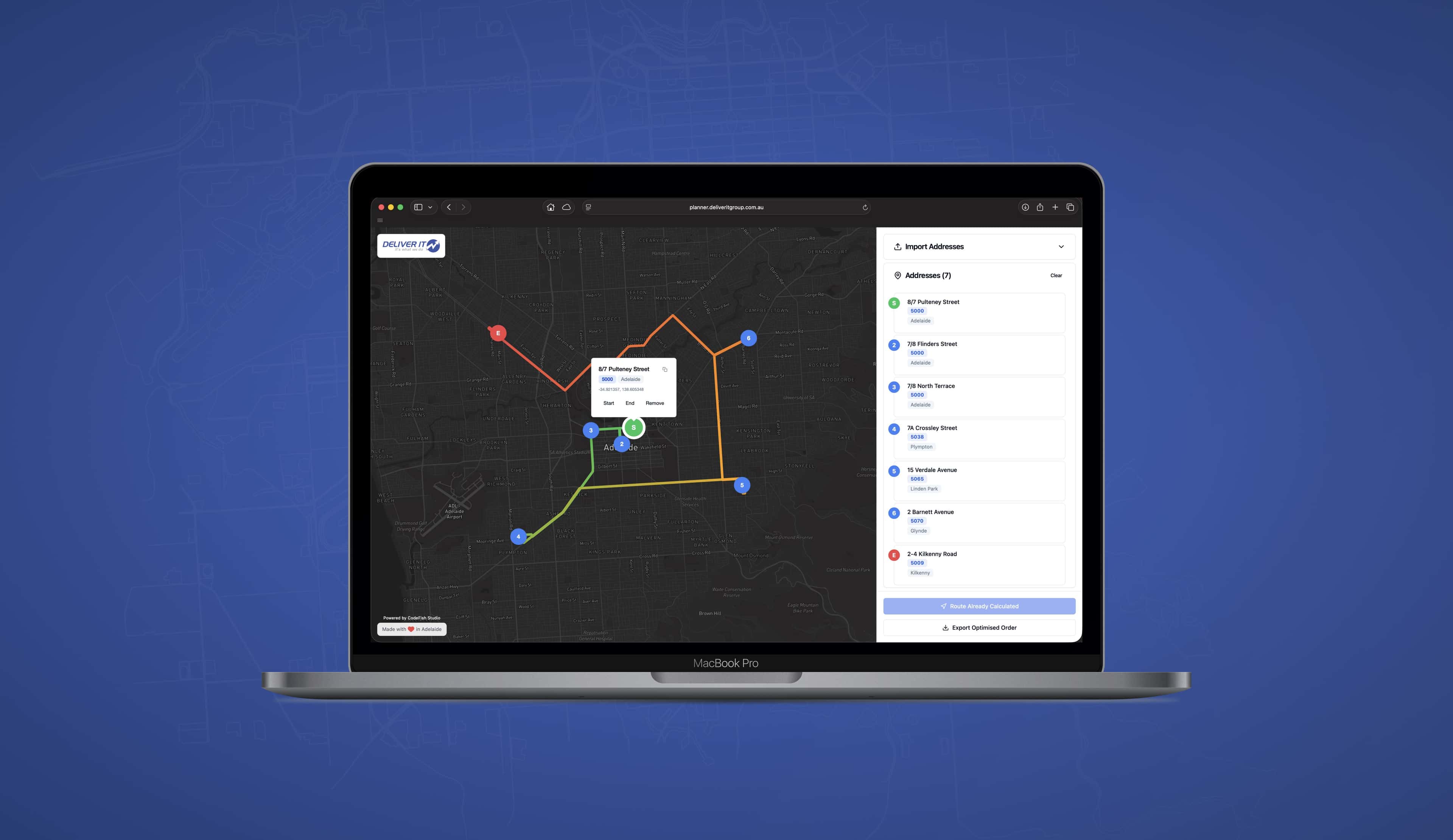
How food and beverage businesses work with us
Every one of them starts with a Rapid Insight Workshop: a paid session that maps your operation and hands back a prioritised roadmap. What you do next depends on what it finds.
Apex
We stay embedded and work through the roadmap with you month after month, from the production floor through to compliance. One monthly fee, measured against results we agree at the start. From $15K a month, six-month minimum term.
Amplify
One build, scoped in writing before anything starts, then quoted at a fixed price against that scope. A one-year warranty, and the code and the IP are yours. Typically $100K and up.
Ignite
Prove a traceability or production tool on one line. Fixed price, $25K to $50K, and working software in four to eight weeks — enough to test it with real users before you spend more.
Questions food and beverage businesses ask us
With a Rapid Insight Workshop. It maps how work moves from the production floor through to compliance: the systems you run, where batch and stock data is recorded twice, what the paperwork costs you each month, and which fix returns the most. You get a prioritised roadmap back before committing to a build. From there you either test one idea first (Ignite), build one thing at a fixed price and own it outright (Amplify), or keep us on to work through the roadmap with you month after month (Apex). We will tell you honestly which one fits.
Yes. We have worked across production, wholesale and direct-to-consumer F&B operations, so we understand batch management, traceability requirements and the integrations these businesses depend on. The common thread is an operation that has outgrown the spreadsheets holding it together and is carrying the cost of that in manual reconciliation.
Yes, and compliance goes into the product architecture from the start rather than being added before an audit. That covers batch records, lot traceability, audit trails, and the reporting your team needs for food safety audits and regulatory submissions. The evidence is captured as production happens, so a recall trace is a query rather than a week of paperwork.
Both, and the choice follows how the work is actually done. Floor-level capture wants a mobile or tablet interface that survives gloves, wash-down areas and shift handover; planning, compliance and management reporting want web. We scope the right format for each part of the operation rather than forcing one on all of it.
Yes, and this connective layer is often the whole job. We regularly integrate with MYOB, Xero, ERP platforms, production line sensor data and third-party logistics providers, so batch data flows through to dispatch and finance without being retyped. Integration scope is confirmed and tested before build begins, because that is where these projects usually go wrong.
No. Most food manufacturers have an ERP that handles purchasing, stock and invoicing well enough, and a plant floor still on paper. The traceability layer sits between the two: it captures the batch record where the work happens and feeds the ERP. That is a far smaller and less risky project than replacing the ERP.
Yes. If you are not sure whether to build, extend or replace a system, we scope a proof of concept that answers the question before you commit to a full build. It is a much cheaper way to find out that the integration you were counting on does not expose the data you need.
Fast enough to finish while the auditor is still in the room, once batch links are captured as the work happens. A mock recall usually stalls because the receival docket, the mixing sheet and the dispatch record sit in three places and someone has to match them by hand. When each ingredient lot is scanned at receival and each finished batch is tied to its dispatch, you pick a lot and see every customer it reached in one view. Your retailer's supplier portal and your HACCP auditor both ask for this.
You keep the ones you already have, and new records stop starting on paper. Historic HACCP sheets, temperature logs and cleaning checklists stay on file for the retention period your certification body expects; scanning the recent ones is usually enough for a trace. Going forward, your QA manager gets the same checks on a tablet at the point of work, with the critical limits built in, so an out-of-range reading raises a corrective action instead of a tick. Floor staff see the form they already know, just on a screen.
Yes, alongside your team rather than around it. Depending on the situation we act as a build partner, a specialist integration resource, or a full delivery team. Your operations people know where the real friction is, so we work in focused sprints with them and test against real production conditions before anything ships.
Monitoring, optimisation and ongoing product iteration. For Apex clients that is embedded in the engagement at no separate cost. For project-based work, support is scoped and agreed upfront so there are no surprise bills. Either way, the first full season of real production usage will surface things discovery could not, and we stay on to act on them.
Yes, and the first thing we do is check whether you should. CartonCloud is built for third-party logistics — holding someone else's stock and billing for the handling — so it tends to stop fitting once you own what you move and batches, expiry and customer-specific pricing enter the picture. There are three routes: connect it to the rest of your systems, build the parts it does not cover around it, or replace it. The first two are cheaper and land sooner, and most operators who arrive asking about the third leave with one of them. Outgrowing CartonCloud covers which fits.