

Craig has been with the business for 11 years. Every morning he exports orders from the online store, cleans them up in a spreadsheet and keys them into the accounting system. Nobody asked him to. He just saw the gap and filled it.
Craig is your integration layer.
Fiona runs the numbers. Every Monday she pulls figures from four systems, lines them up by hand and sends the owner a report. She knows which supplier codes are wrong and quietly fixes them on the way through.
Fiona is your reporting engine.
Sharon has the answers. Which customer gets which price. Which job was quoted with the old rates. Where the real stock count lives. If you want to know what is true, you ask Sharon.
Sharon is your single source of truth.
Then life happens
Craig's partner gets a job in Brisbane. They move in March.
Fiona has been studying at night for three years. She finishes her degree and lands a role she has wanted for a decade. Good for her.
Sharon wants to cut back to three days so she can look after her mum. Then two. Then she retires.
None of this is bad news. It is just life. People have families, ambitions, mortgages and plans. They move house, chase promotions, take better offers and go part-time. They should. That is what people do.
The problem is not that they leave. The problem is what leaves with them.
What walks out the door
When Craig goes, the orders stop flowing into accounts. Nobody notices for a week. Then the invoices are late and the cash flow looks wrong.
When Fiona goes, the Monday report stops. Someone else tries to rebuild it, gets different numbers and spends a month working out why.
When Sharon goes, the business loses its memory. Pricing gets inconsistent. Old quotes get honoured at the wrong rates. Questions that took 30 seconds now take half a day.
Each of them was doing a job that a system should have been doing. They did it well, which is exactly why nobody fixed it.

Software has no plans of its own
Software does not move interstate. It does not ask for a pay rise, retire, or get poached by a competitor. It does not have a bad week, forget a step or take its knowledge with it.
It also does not get bored of copying the same data every morning. Craig did. He just never said so.
That is the point. Repetitive, rule-based work belongs in a system. Judgement, relationships and ideas belong with people. When you mix the two up, you build your business on the one thing you cannot control: whether a particular person stays.
Free your people, don't replace them
This is not about cutting staff. Craig, Fiona and Sharon were your best people. They were also stuck doing work a machine could do, which meant they were not doing the work only they could do.
Picture the same team with the plumbing fixed:
- Orders flow straight into accounts. Craig spends his mornings on customers instead of copy and paste.
- The report builds itself, live. Fiona spends Monday explaining what the numbers mean, not making them.
- Pricing and stock live in one place. Sharon's knowledge is written into the system, so anyone can find the answer.
And when one of them does move on, the business keeps running. You lose a great person. You do not lose the process.
Big businesses have a Craig too
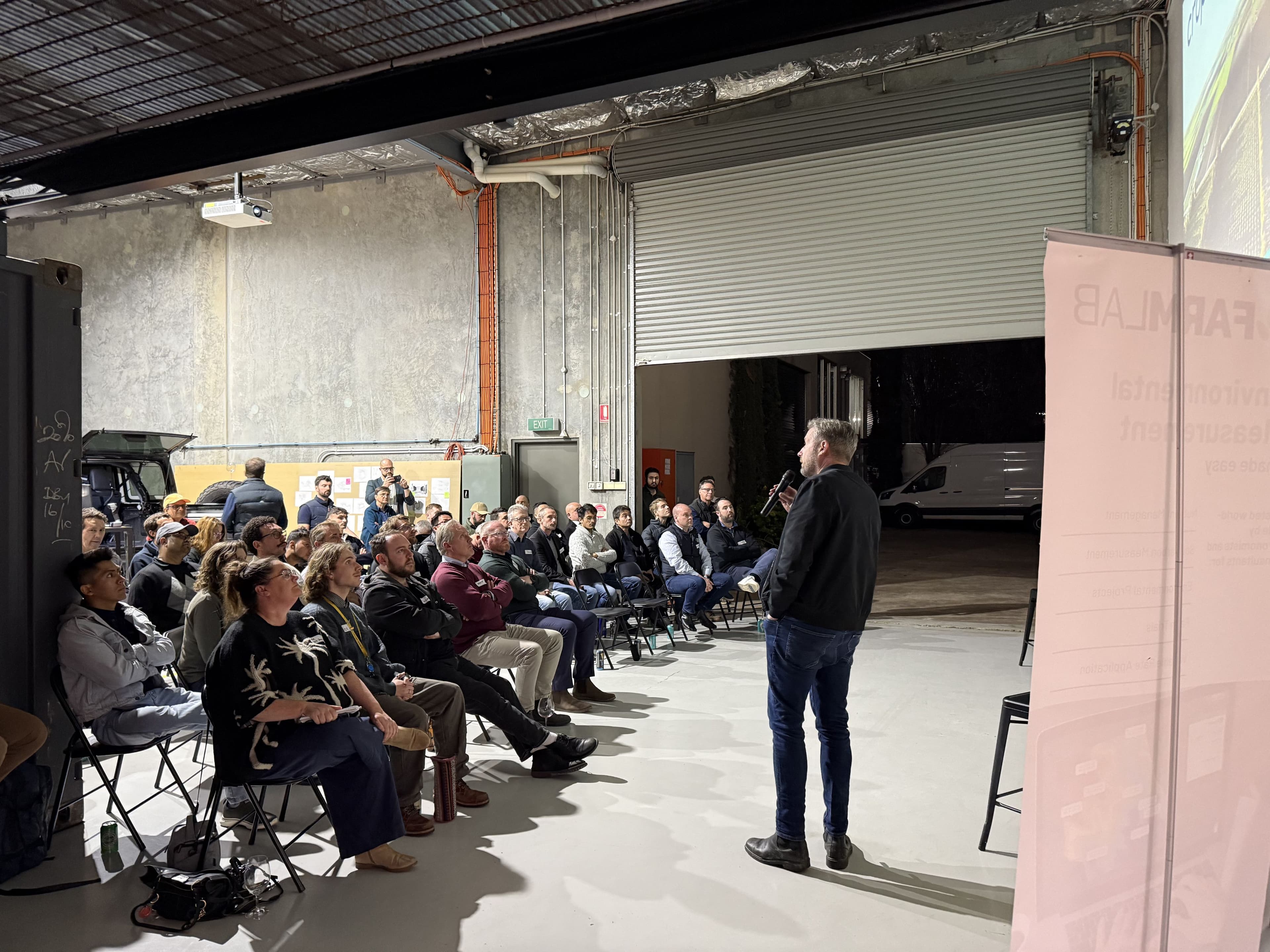
This year CodeFish Studio is proud to sponsor Large Business of the Year at the 2026 South Australian Premier's Business and Export Awards, with the winner announced at the gala on Friday 16 October. The finalists run some of the most significant organisations in the state, with hundreds of staff and serious systems behind them.
Even so, size does not fix this problem. Plenty of large businesses still lean on a Craig, a Fiona and a Sharon. The spreadsheets are bigger and the stakes are higher, but the pattern is the same: critical work held together by a few people who know how it really runs. The businesses that keep growing are the ones that move that work into systems, so their best people can lead instead of patch.
Find your Craig
Every business has at least one. Ask yourself three questions:
- Who would we call if this broke tomorrow?
- What happens if they are on leave for a month?
- What happens if they resign on Friday?
If the answer is a name, not a system, that is your first thing to fix.


