Primary Industries

Field teams capture data once and the office gets clean, current numbers to plan and report from. No writing it down twice, no compliance scramble.

We connect your field teams and your office so data is captured once and the reporting takes care of itself.

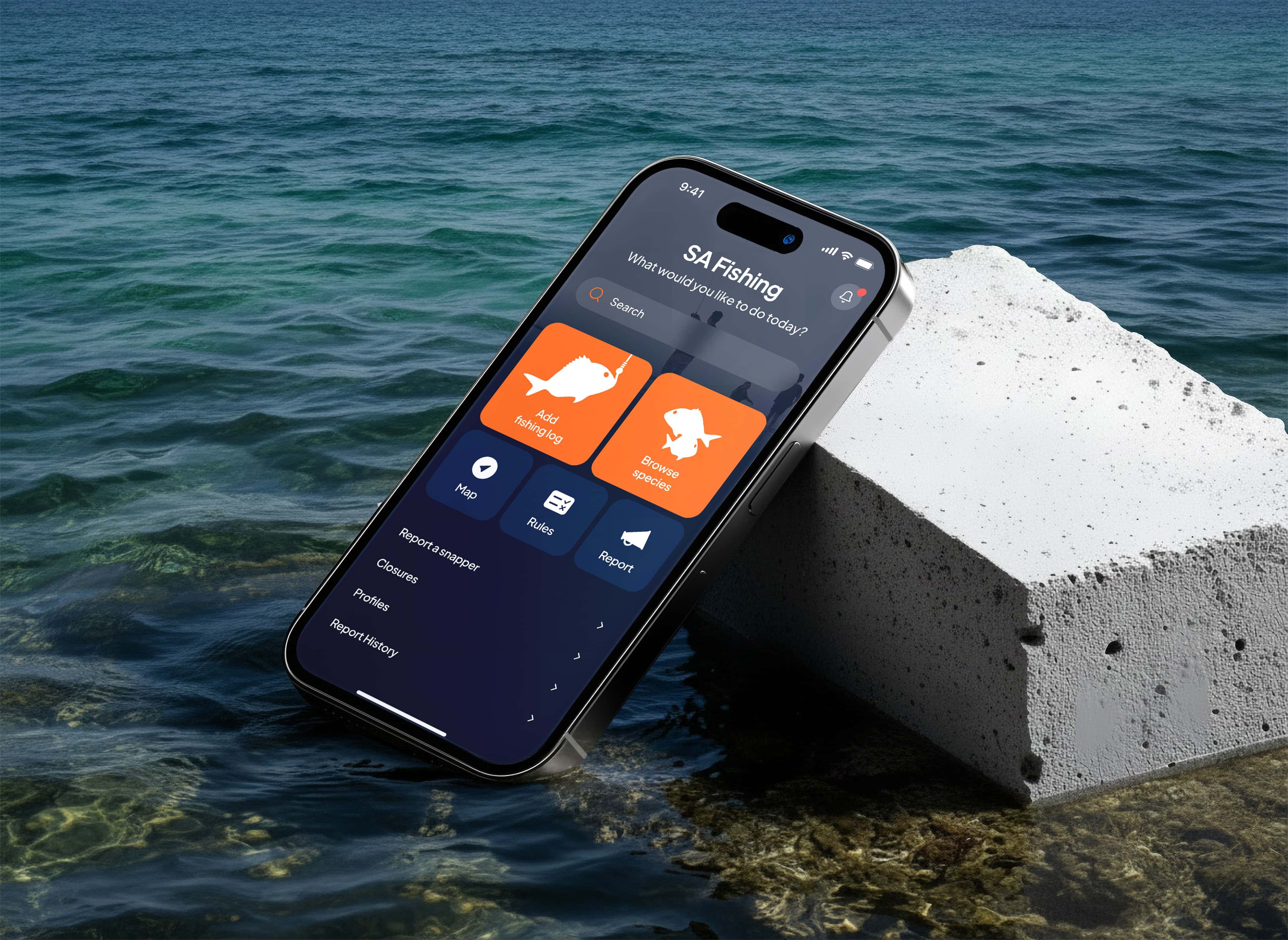
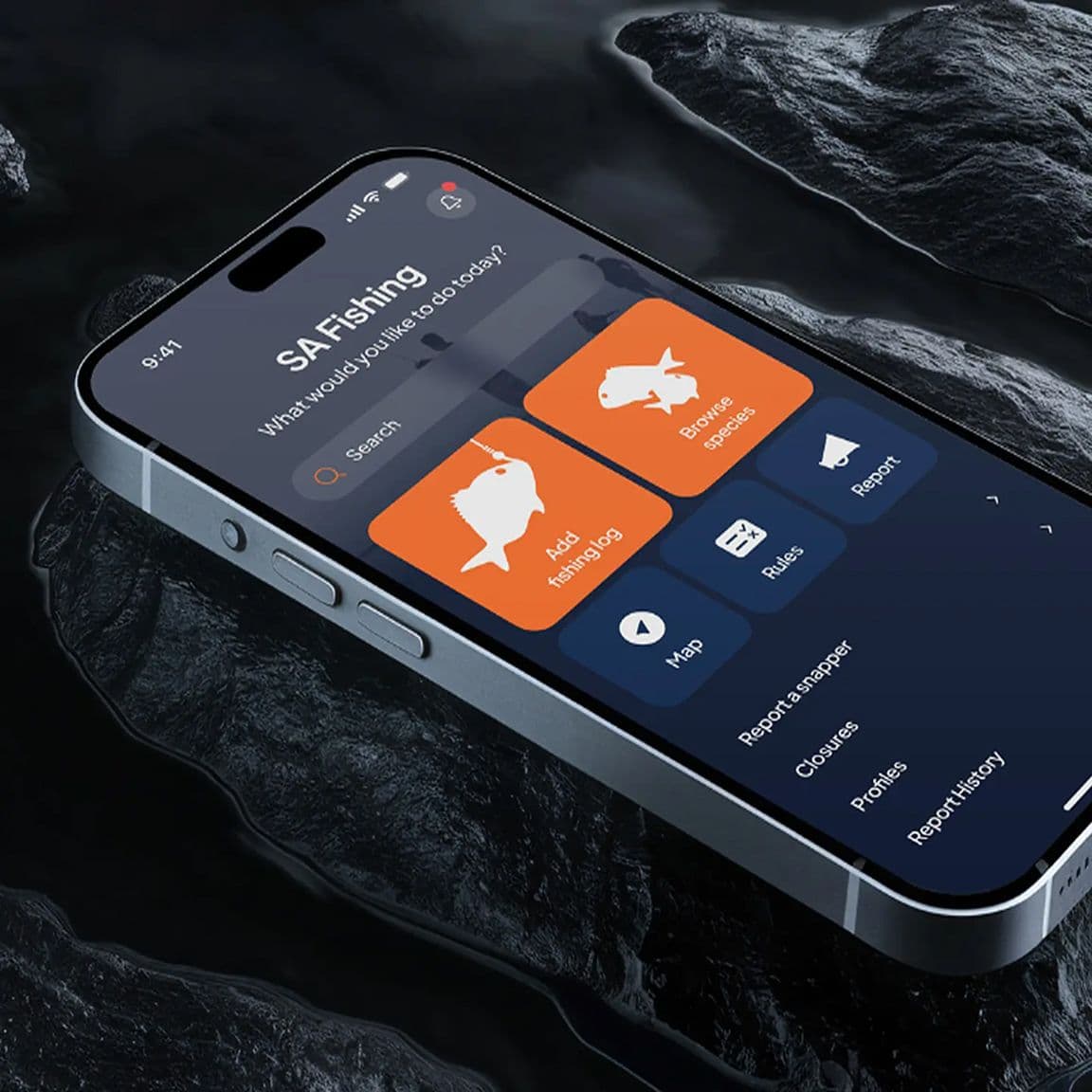
SA Fishing app home screen on a phone over dark rock, with add fishing log and browse species tiles

Connecting the field and the office

Planning teams, researchers and field workers are often stuck with tools that do not talk to each other. We build software that closes that gap:

  • Apps built for field conditions, so data is captured quickly and correctly
  • Software that works offline and syncs when the signal comes back
  • Reporting and compliance built into the workflow
  • One data platform, so the office and the field agree

Winning back time across daily operations

Once the day-to-day is connected, there is a lot of time to win back:

  • Tools to track assets and run daily operations in one place
  • Dashboards that show what is happening now, not last week
  • Software to coordinate crews and schedule work without the phone tag
  • Reporting that turns your data into decisions instead of a chore

How primary industry operators work with us

Every one of them starts with a Rapid Insight Workshop: a paid session that maps your operation and hands back a prioritised roadmap. What you do next depends on what it finds.

Apex

We stay embedded and work through the roadmap with you month after month, closing the gap between the field and the office. One monthly fee, measured against results we agree at the start. From $15K a month, six-month minimum term.

Amplify

One build, scoped in writing before anything starts, then quoted at a fixed price against that scope. A one-year warranty, and the code and the IP are yours. Typically $100K and up.

Ignite

Test a field capture tool with one crew. Fixed price, $25K to $50K, and working software in four to eight weeks — enough to test it with real users before you spend more.

Between the field app, your mapping and the reporting obligation

Primary industry runs on a split stack: field records on paper or in a vendor app, ArcGIS or QGIS for the spatial picture, AgriWebb or Xero on the business side, and a reporting obligation at the end. Everything gets written in the field and typed again in the office.

CodeFish builds across those gaps: a field app that works without signal, a data platform the office and the field both read from, and reporting built into the workflow. That includes the messy feeds from equipment and sensors already in the field.

Questions primary industry operators ask us

With a Rapid Insight Workshop. It maps how work actually moves between the field, the office and your reporting obligations: which systems you run, where data is being re-entered by hand, and which fix returns the most. You get a prioritised roadmap back before committing to a build. From there you either test one idea first (Ignite), build one thing at a fixed price and own it outright (Amplify), or keep us on to work through the roadmap with you month after month (Apex). We will tell you honestly which one fits.

Yes. Offline capability is designed in, not added later. Field staff capture data on the device and it syncs when a connection returns, with conflicts handled predictably so nothing is silently lost. A system that only works in town is not a field system.

It stays on the device, safely, until the crew is back in range, then syncs without anyone re-entering it. A fisheries crew at sea for a week or a forestry crew on a remote block can't wait for a bar of signal, so records are stored locally with the time, location and person who made them. When the device reconnects, it uploads in order and flags any conflict, such as two people editing the same site record, for the office to resolve rather than silently overwriting one. Nothing is lost if the battery dies mid-shift, because each entry is saved as it is made.

Yes. Simplicity and clarity are core to our approach, and field-based UX is a distinct discipline from office software. That means large targets that work in gloves, screens readable in direct sun, and forms that can be completed in the order the work actually happens. We aim to reduce the learning curve to near zero.

Yes, this is regular work for us. We pull operational data from equipment and sensors into a single scalable data platform, so monitoring, dashboards and analytics all read from one source instead of each team maintaining its own spreadsheet. The integration layer is designed defensively, because real-world data feeds drop out.

Yes. Reporting and compliance workflows are built into the operational system rather than sitting beside it, so the evidence is captured as work is done. When a report is due, the record already exists and does not have to be assembled from field notebooks and email.

Every figure in the report links back to the field record it came from. When a regulator such as PIRSA, a water authority or a grant body asks where a number came from, your compliance lead can show the original entry, who captured it, where and when, and any edit made since, with the reason recorded. Totals are calculated from those entries rather than typed into a spreadsheet, so the report and the source cannot drift apart. That audit trail is what protects a funding claim or a catch or water-use return when it is questioned months later.

By designing it so the first shift is the training. Seasonal pickers, planters and casual field hands often start on the day, on a borrowed phone, with English as a second language. We keep each screen to one task, use pictures and plain labels, and fill in what the system already knows, such as the block, the date and the crew leader. Your supervisor can set someone up in a minute with a code instead of an account. We test it with your crews in the paddock or on the boat before rollout, because what works in the office rarely survives the first week in the field.

First working software typically lands in weeks rather than quarters, focused on the single highest-cost friction point identified in the workshop. We prove value on one workstream before going broader, so you see a return before the scope grows.

Yes, and it is regular work. The spatial picture, the operational records and the financial side each live in a different system, so the same job gets entered more than once. We connect them so field capture flows through to mapping, reporting and the ledger without a person in the middle retyping it.

Yes, and it is usually the fastest payback. Compliance reporting is rules-based work that people currently rebuild by hand from field notebooks and email each period. We build the obligation into the operational workflow so the evidence is captured as work happens, and the report is generated from one source rather than assembled from three.

Ready to build something great?

Local partners, global standards – full service design and development.