Energy

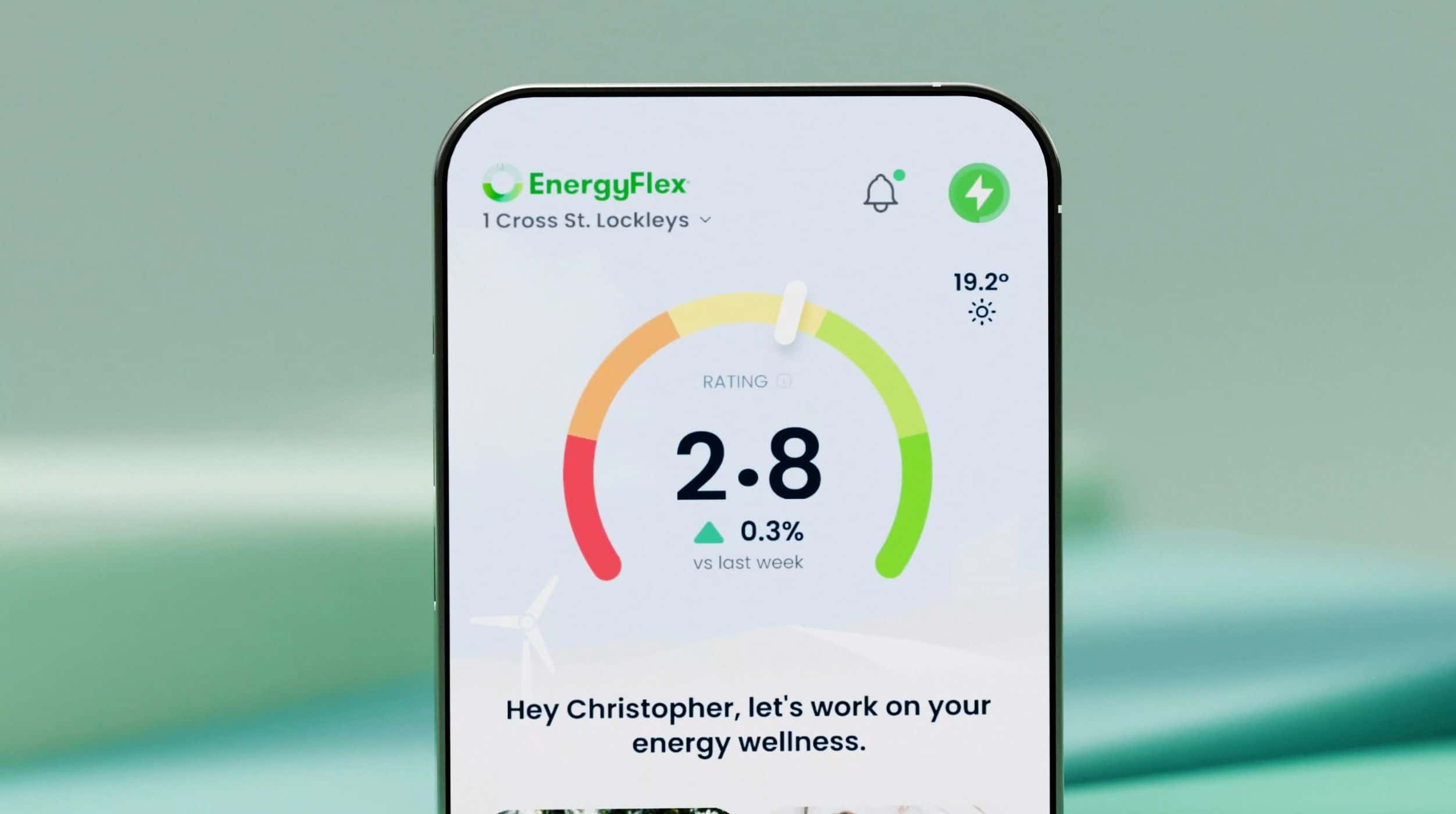
We turn messy energy data into simple numbers your customers and your team can act on — where the money goes, and what an upgrade would change.

We build the software that shows people where their energy money goes and what changes are worth making.

Powering visibility and change

Energy is confusing for the people paying for it. Bills are hard to read and it is tough to know whether solar, a battery, or a plan change is worth the money. We build software that clears that up:

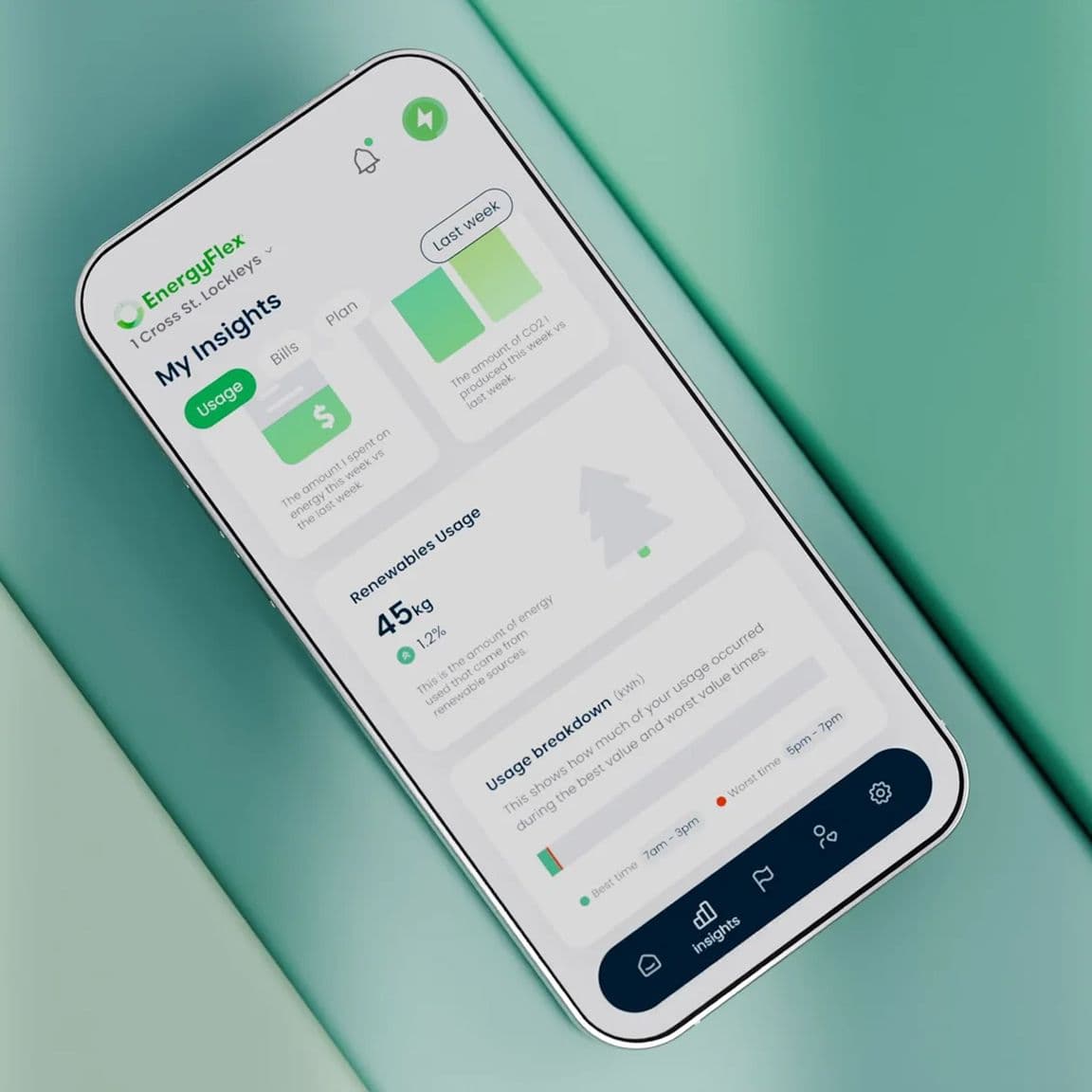
  • Turn raw usage data into charts people can read
  • Model what an upgrade or plan change would do to the bill
  • Support Consumer Data Right access so customers can share data safely
  • Give retailers reporting that holds up to scrutiny

How energy businesses work with us

Every one of them starts with a Rapid Insight Workshop: a paid session that maps your operation and hands back a prioritised roadmap. What you do next depends on what it finds.

Apex

We stay embedded and work through the roadmap with you month after month, as your data, your tariffs and your reporting obligations change. One monthly fee, measured against results we agree at the start. From $15K a month, six-month minimum term.

Amplify

One build, scoped in writing before anything starts, then quoted at a fixed price against that scope. A one-year warranty, and the code and the IP are yours. Typically $100K and up.

Ignite

Put a working usage or savings tool in front of real customers. Fixed price, $25K to $50K, and working software in four to eight weeks — enough to test it with real users before you spend more.

Between AEMO, your billing platform and the inverters on the roof

Energy businesses run on systems that each hold part of the answer: AEMO's MSATS for meter and market data, a billing platform like Gentrack, inverter portals from Fronius or SolarEdge, Consumer Data Right, and Xero at the end. Most teams reconcile the difference by hand.

CodeFish builds across those gaps: ingesting interval data at volume, joining it to billing and devices, and turning it into a number a customer can act on. We build the platform and the integrations. We do not install the hardware.

Questions energy operators ask us

With a Rapid Insight Workshop. It maps your operational picture: the systems you run, where data is being moved or reconciled by hand, what that costs, and which fix is worth the most. You get a prioritised roadmap back before committing to a build. From there you either test one idea first (Ignite), build one thing at a fixed price and own it outright (Amplify), or keep us on to work through the roadmap with you month after month (Apex). We will tell you honestly which one fits.

Yes. We deliver tools that help consumers understand their renewables usage or source upgrades, and platforms that give commercial customers visibility over what a change to their energy mix actually does to their costs. On the business side we support reporting obligations and build the visualisation layer that makes the numbers legible.

Yes. Whether you are a retailer, a comparison service, a solar or battery provider, or running an energy initiative, we build systems that ingest large volumes of interval and meter data and turn it into something a customer can act on. The engineering challenge is volume; the design challenge is making it simple. Both matter.

Yes. CDR is one of the regulatory ecosystems our energy solutions are designed around. It shapes how consent, data access and retention are handled in the build, and it is treated as an architectural requirement from the start rather than a compliance exercise bolted on before launch.

Yes. Commercial carbon reporting is one of the systems we support. That usually means pulling consumption data from several sources, applying the right factors consistently, and producing a defensible figure with the working shown, so the report holds up to scrutiny and does not have to be rebuilt by hand each period.

First working software typically lands in weeks rather than quarters, focused on the single highest-cost friction point identified in the workshop. We prove value on one workstream before going broader, so you see a return before the scope grows.

Yes, and it is regular work. Interval data arrives in volume and in formats that punish a careless parser, so we build the ingestion layer defensively — validation, clear data contracts, and reprocessing when a feed is corrected upstream. What comes out the other side is one set of numbers the billing, the reporting and the customer view all read from.

Yes. Gentrack, SAP or whatever runs your billing knows the account; Fronius, SolarEdge, Enphase or Tesla know what the site actually did. Neither knows the other. We connect them so a customer can see generation, consumption and cost in one place, and so your team stops assembling that answer manually every time someone asks.

Access stops when the consent ends, and the data you collected under it is deleted or de-identified as the Consumer Data Right rules require. We build consent as a record the whole system checks, not a flag in one table, so a revocation through your dashboard or the data holder reaches every place that data was used: the customer's portal, savings models and any report built from it. The customer gets a confirmation, and your compliance team gets a log showing what was removed and when, which is what the ACCC and OAIC will ask to see.

The corrected reads come in, the system works out which bills they change, and your billing team decides what to do with each one. Meter data providers often send revised interval data through MSATS days or weeks after the first read, and a system that only keeps the latest number can't explain why last month's bill no longer matches. We keep every version of the data with the date it arrived, re-run the affected calculations, and show the difference per account. Small changes can roll into the next bill; larger ones go to a person before the customer is told.

As accurate as the data behind it, so we build the estimate from the customer's own interval data and their actual tariff, not an average household. The model shows the assumptions it used, such as panel output for the postcode, battery size and the retail plan, so your sales team can explain the number rather than just quote it. After installation, the system compares the estimate against what the inverter and meter actually record. That check tells you whether quotes are running high, and lets you fix the model before a customer complains that the saving never arrived.

Yes. A customer can pick a different plan, tariff or time-of-use setting and see what their last twelve months would have cost on it, using their real interval data. The comparison applies the retail plan rates, network tariffs and any solar feed-in credit, so the number matches how your billing platform would calculate it. That gives your contact centre a figure to stand behind when a customer asks whether a change is worth it, and it cuts calls from customers surprised by their first bill on a new plan.

Ready to build something great?

Local partners, global standards – full service design and development.