Mining, Oil & Gas

Software for remote, high-risk sites: safety systems, remote operations, and data platforms that keep people safe and cut downtime.

Keep your people safe, your sites running, and your operation visible — with software built for remote mining, oil, and gas work.

Built for remote, high-risk sites

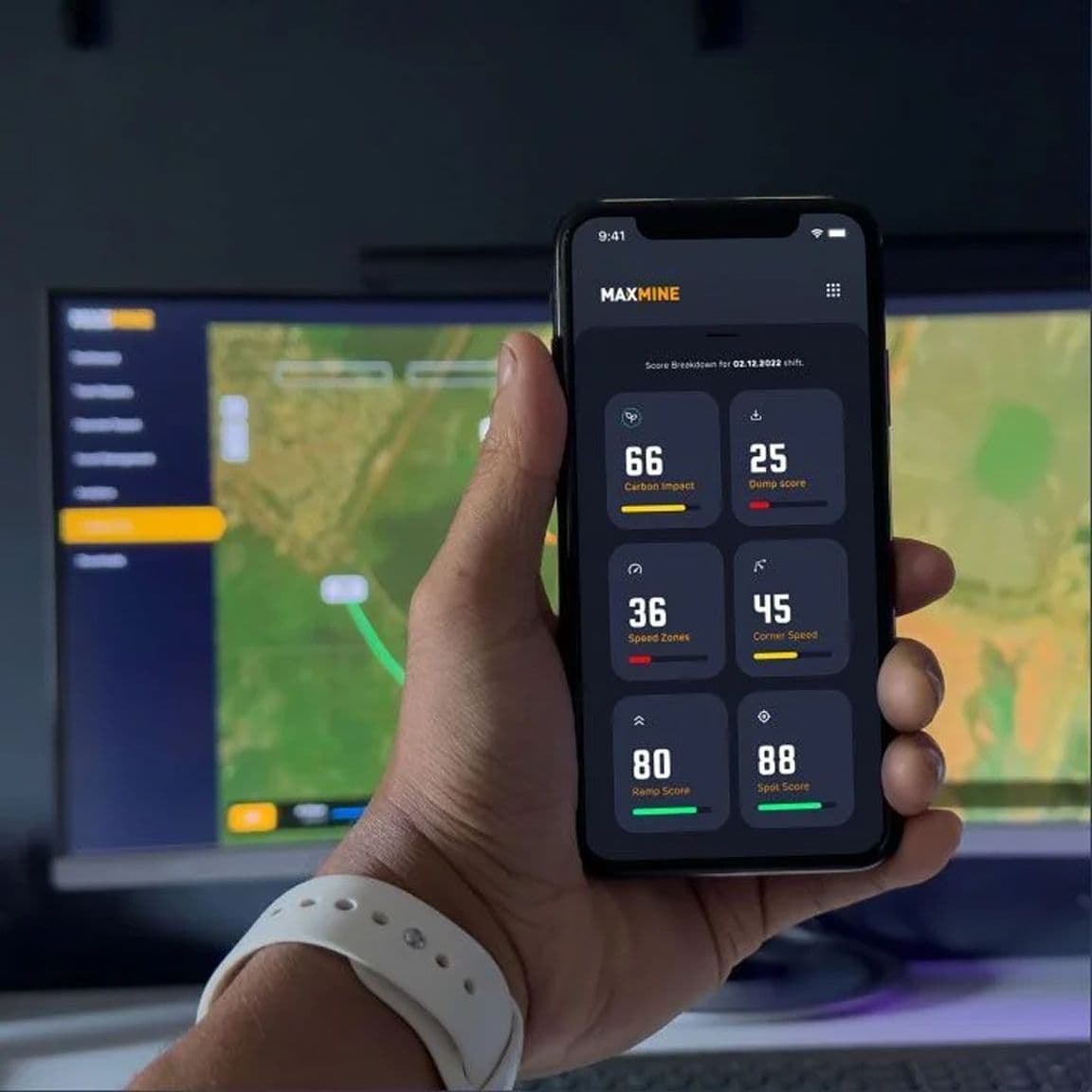
Our software helps mining, gas, and oil teams run safer, tighter operations. Real-time monitoring and analytics show you what is happening across your sites, so you can act before a small problem becomes downtime or a safety incident.

We map how your operation actually works, then build software that cuts manual steps, keeps your reporting accurate, and helps you get more out of the people and processes you already have.
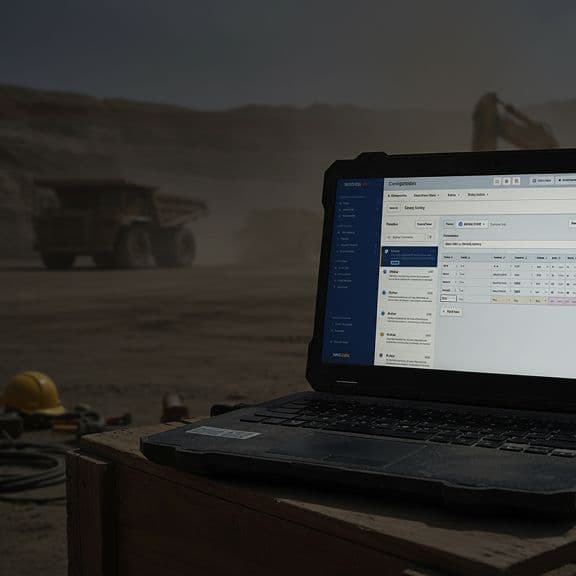
Rugged laptop on a crate at a mine site running fleet configuration software, with a haul truck behind

Software that holds up in the field

Remote work brings its own problems: patchy connectivity, teams spread across sites, and no clear picture when something goes wrong. We build software that stays useful when conditions are not ideal.

What we deliver:

• Clear, timely alerts the moment there is a safety concern
• A visible signal when a site goes offline or connectivity drops
• Easy-to-reach event logs for fast troubleshooting and diagnosis
• Screens that stay readable and usable in tough field conditions

Compliance and reporting without the paperwork

Safety and compliance reporting eats hours when it lives in spreadsheets and paperwork. We build software that captures the record as the work happens, so your reports are accurate, on time, and ready when an audit or incident review lands.

One source of truth for your operational and compliance data means less manual chasing, fewer errors, and a clear trail you can stand behind.

How mining, oil and gas operators work with us

Every one of them starts with a Rapid Insight Workshop: a paid session that maps your operation and hands back a prioritised roadmap. What you do next depends on what it finds.

Apex

We stay embedded and work through the roadmap with you month after month, across sites, crews and reporting. One monthly fee, measured against results we agree at the start. From $15K a month, six-month minimum term.

Amplify

One build, scoped in writing before anything starts, then quoted at a fixed price against that scope. A one-year warranty, and the code and the IP are yours. Typically $100K and up.

Ignite

Test a field tool with one crew before it goes site-wide. Fixed price, $25K to $50K, and working software in four to eight weeks — enough to test it with real users before you spend more.

Questions mining, oil and gas operators ask us

With a Rapid Insight Workshop. It maps the operational picture across your sites: which systems you run, where data is being re-entered or reconciled by hand, what the friction costs in downtime and rework, and which fix returns the most. You get a prioritised roadmap back before committing to a build. From there you either test one idea first (Ignite), build one thing at a fixed price and own it outright (Amplify), or keep us on to work through the roadmap with you month after month (Apex). We will tell you honestly which one fits.

Yes, and we design defensively because remote sites break assumptions that hold everywhere else. That means the interface makes offline status and degraded connectivity visible rather than failing quietly, event logging is easy to reach for troubleshooting and diagnosis, and data captured on site syncs when a connection returns instead of being lost.

That is a design requirement, not an afterthought. Interfaces need to stay usable in the presence of gloves, dust and glare, which drives target sizes, contrast, and how much a screen asks of someone who is mid-task. Safety-critical feedback is designed to be clear and timely, because a warning nobody notices is not a warning.

Yes, and it is regular work for us. We integrate sensors, telemetry platforms, ERPs, CRMs and custom APIs so monitoring and reporting read from one source instead of each site maintaining its own. Feeds from operational equipment drop out in the real world, so the integration layer is built with validation and fallbacks.

That is usually the commercial case for the work. Real-time monitoring and analytics turn equipment and process data into an early signal rather than a post-incident report, so problems surface while they are still cheap. The value comes from acting on the pattern, not from the dashboard itself.

Yes to both. We partner with internal teams to add delivery capacity, UX or product strategy rather than working around them. After launch we stay on for iteration and optimisation, because the first months of real site usage tell you things no amount of planning could.

Ready to build something great?

Local partners, global standards – full service design and development.