Home Automation

Connected homes live or die on the software. We build the apps, integrations and platforms that make a smart home make sense to the person living in it.

Home automation works best when it fades into the background. We believe the best home automation design is invisible.

Designing for simplicity of use

With overly complex design, home automation systems can add more frustration than the jobs they are designed to solve.

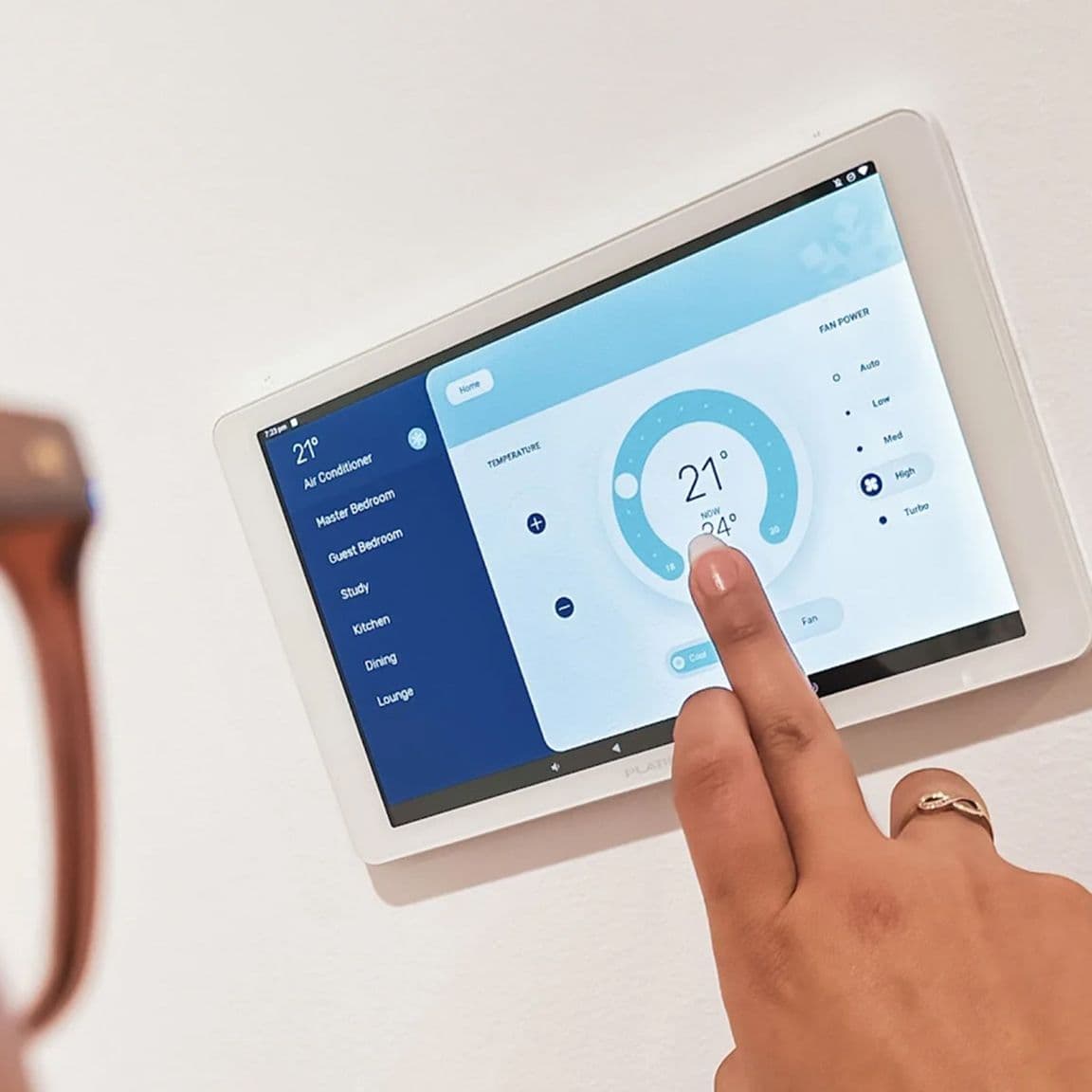
Our aim with any home automation project is to make solutions so obvious to users that using them requires no effort. Any setup should be minimal and guided. Operation should be simple and effortless. Troubleshooting should be straightforward.

We achieve this through delivery of;

  • Clear mental models
  • Predictable interaction patterns
  • Graceful failure states
  • Simple setup and control

Designing around limitations

We recognise that certain hardware may impose inherent limitations that cannot be avoided. We have ample experience using our design capabilities to mitigate user frustrations.

We have proven methods to reduce the impact of challenging user onboarding, poor connectivity, slow load times and other issues,

Working with the platforms a home already runs on

Nobody starts from scratch. A connected home is already a mix of standards and apps that half-cooperate: Matter and Thread on the newer devices, Zigbee or Z-Wave on the older ones, Home Assistant doing the work the vendor apps will not, and Google Home, Alexa or HomeKit depending on which phone the household carries.

CodeFish builds the software across that mess — the app or dashboard people actually use, the integrations between platforms that do not natively talk, and the data layer that turns device readings into something useful. We do not build the devices or the code that runs on them.

That usually means:

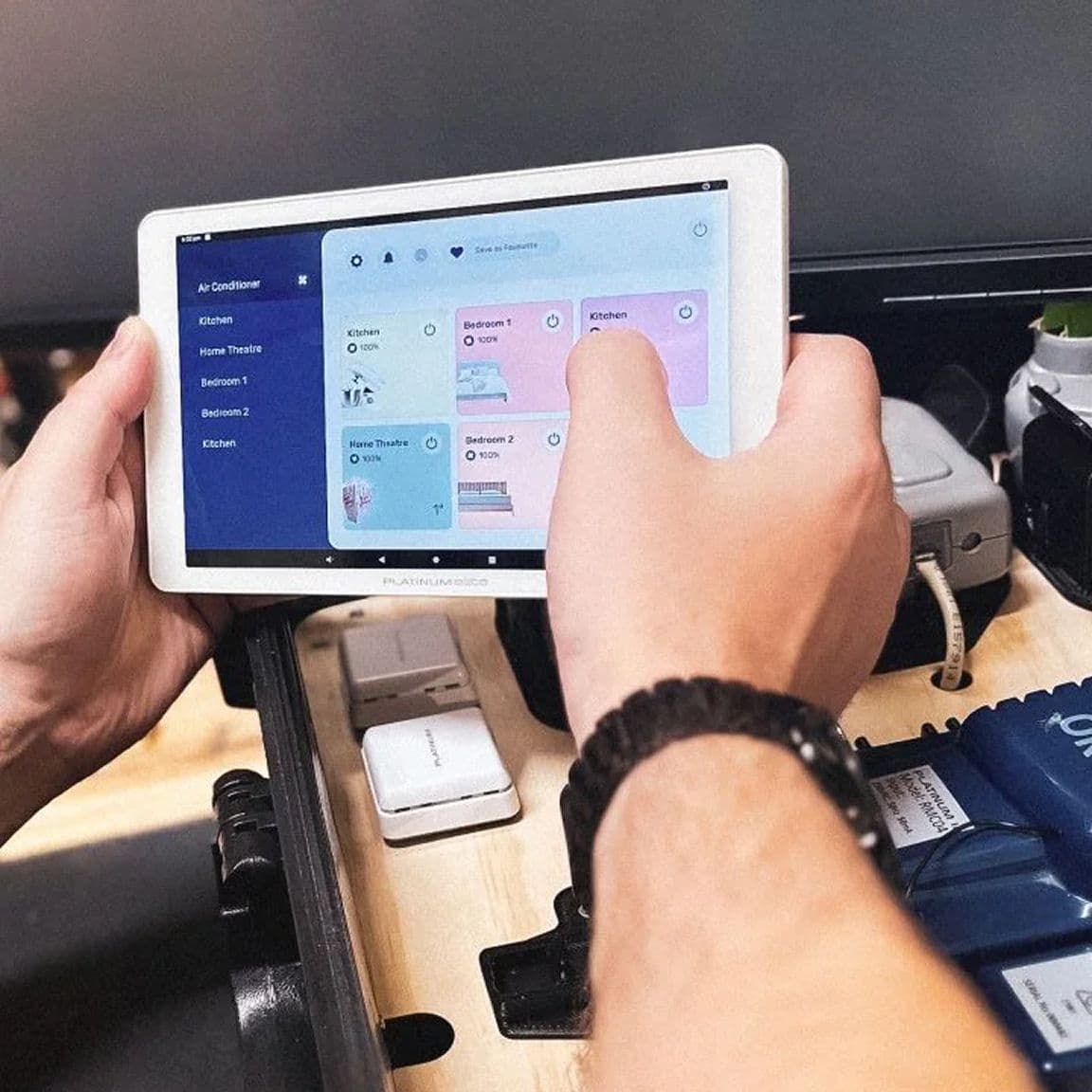
  • An app or dashboard built for the household, not for an installer
  • Integrations across Matter, Thread, Zigbee, Z-Wave and MQTT devices
  • Working with Home Assistant, Google Home, Alexa and HomeKit rather than against them
  • Energy and usage data presented so a decision is obvious
  • Remote monitoring and alerting that does not cry wolf

Yes. We have experience working with IoT projects across home automation, automotive, lifestyle and business services amongst other verticals.

Absolutely. We have experience both delivering standalone apps which can be user installed on phones and tablets, and with locked down hardware devices that are distributed alongside new installs.

No. We build the software above the device: apps, dashboards, integrations, and the platform that stores and makes sense of the data. We work with whatever hardware is already chosen or already installed. If you need the device itself designed or programmed, we will tell you plainly rather than take the work.

Yes. These are the platforms a real home already runs on, and replacing them is rarely the right answer. We build with and between them — reading device state, exposing what matters in one place, and filling the gaps where two platforms refuse to cooperate.

When the vendor app already does the job. If your devices are all from one ecosystem and its own app covers what the household needs, custom software is a cost with no return. It earns its place when devices span several platforms that will not talk, when the data has to be trusted rather than indicative, or when the people living there need an interface the vendor was never going to build.

Ready to build something great?

Local partners, global standards – full service design and development.