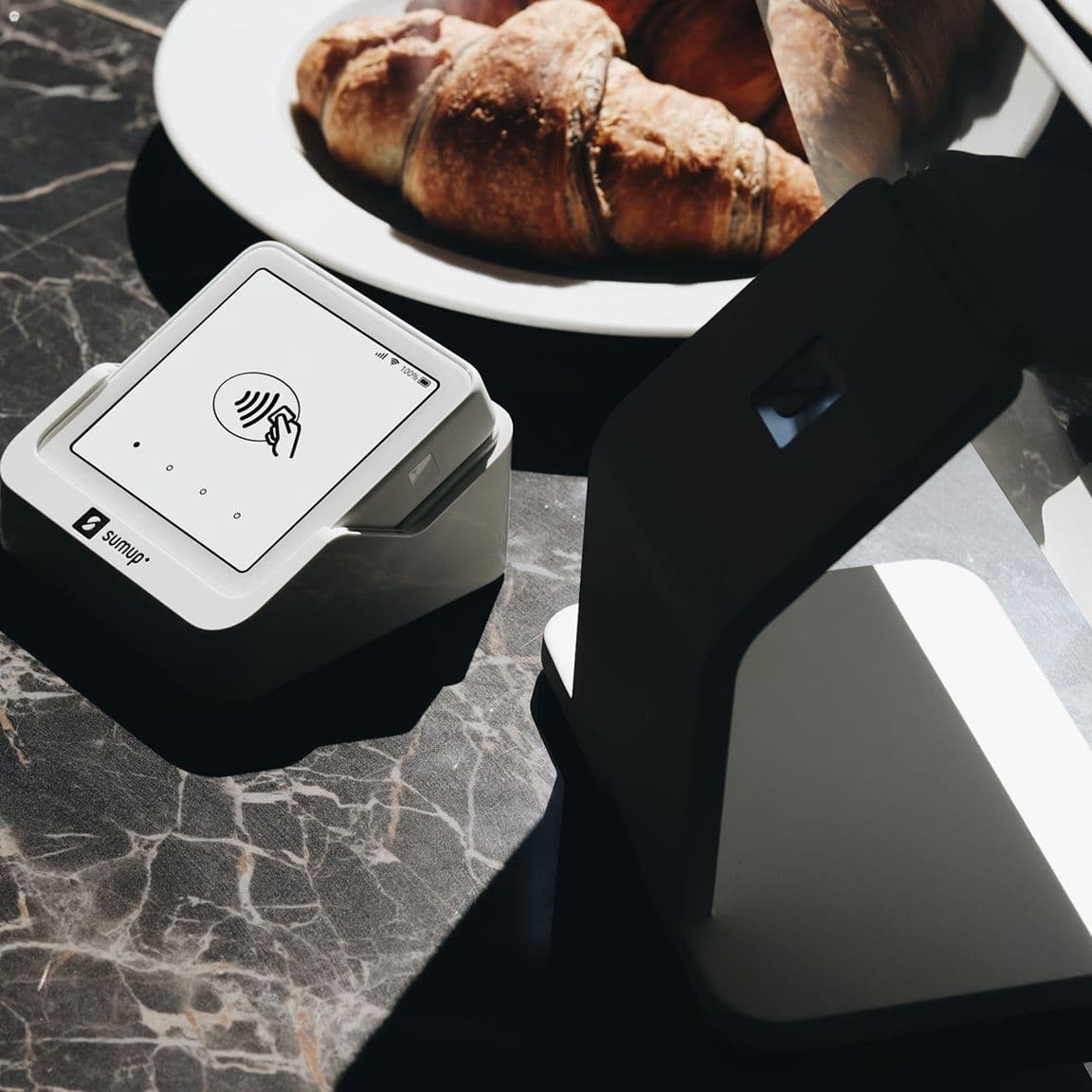
Most transformation programs buy new platforms and leave the old workarounds in place. The spreadsheets survive, the re-keying survives, and the business pays twice. We start with the work itself — where hours go, where errors come from, where nobody trusts the numbers — and fix those first.
Digital Transformation Consulting
The four questions a transformation has to answer
If a plan can't answer all four, it isn't ready to fund.
Where does the time go?
Which tasks your team does by hand every week, how many hours they take, and which ones exist only because two systems don't talk.
Which numbers can't you trust?
Where the same figure lives in three places and gives three answers. One source of truth usually comes before any dashboard or AI project.
What pays back first?
Each fix costed against what it saves: hours returned, errors removed, cost avoided. Ranked, so you fund the quick wins before the big builds.
What do we leave alone?
Systems that work, processes that should be deleted rather than digitised, and projects that don't clear the bar yet. Saying no is part of the job.
What does a digital transformation consultant actually do?
A digital transformation consultant works out how your systems, data and processes should change so the business runs with less manual effort and better information — then sequences that change so each step pays for itself.
CodeFish does this for established Australian operators, mostly in food and beverage, construction and manufacturing. Unlike a management consultancy, we also build and run what we recommend: integrations, internal tools, reporting and automation. So every recommendation has to survive being built.
It starts with a Rapid Insight Workshop. You leave with a ranked roadmap and a business case with numbers against each item. If the best move is to fix a process rather than buy or build anything, we'll say so.
If a step can't show what it saves, it waits.
How a transformation engagement runs
Rapid Insight Workshop
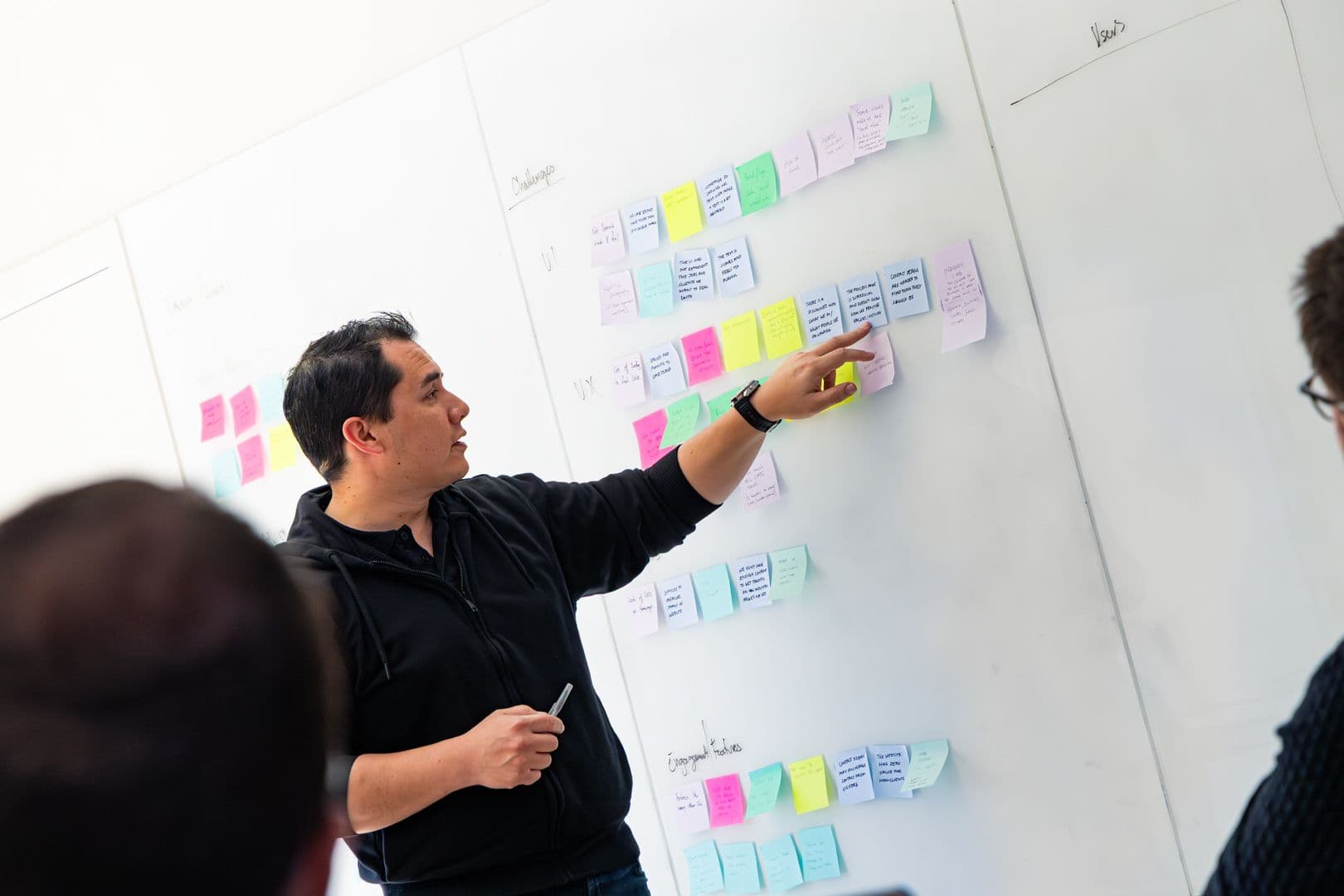
Two sessions with the people who do the work. We map the real process, the systems behind it and where time and money leak. $9,000 + GST, with the strategy, business case and product spec around three weeks later.
Fix the foundation
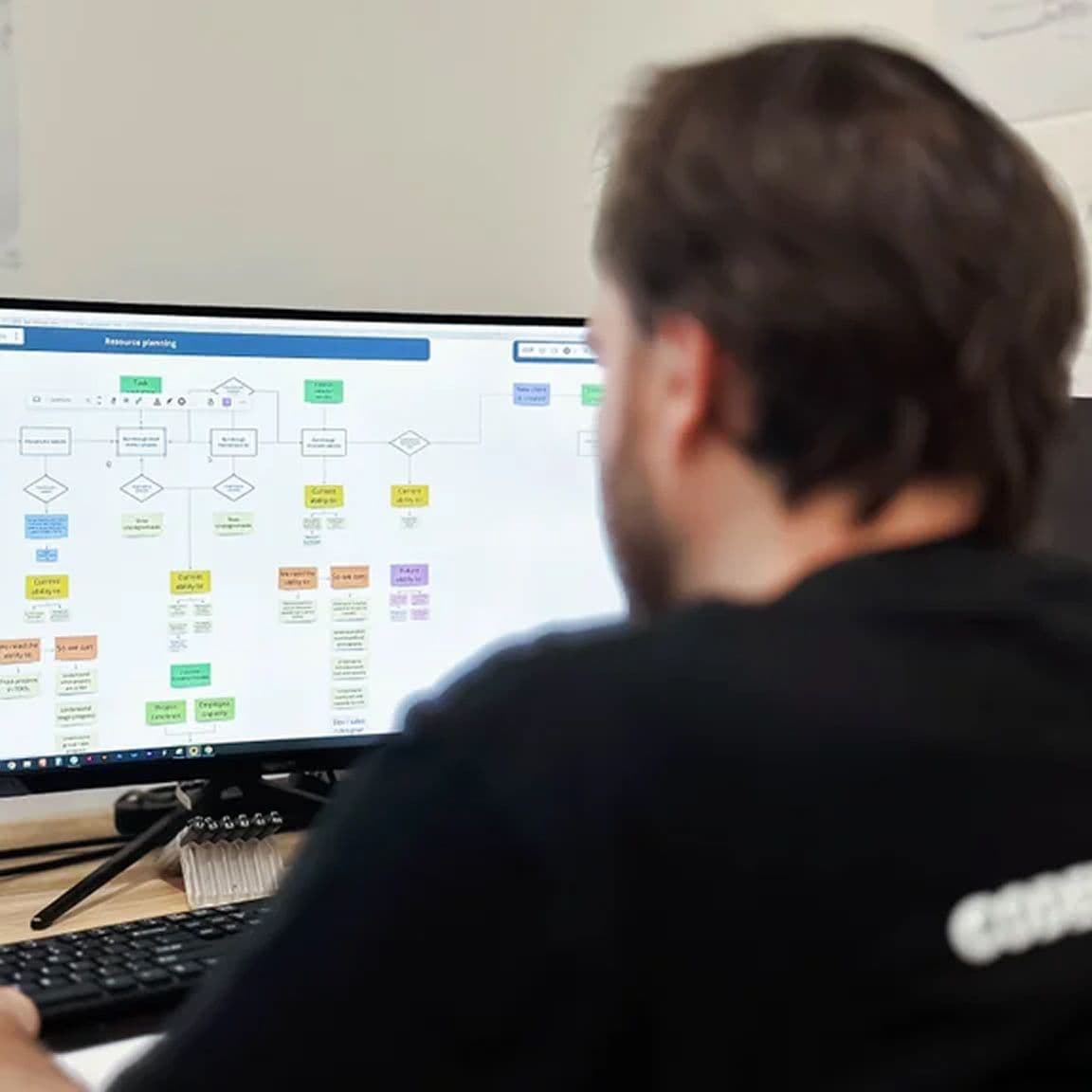
Connect the systems that matter and agree one source of truth for the numbers. This is often the biggest return on its own.

Build the first wins
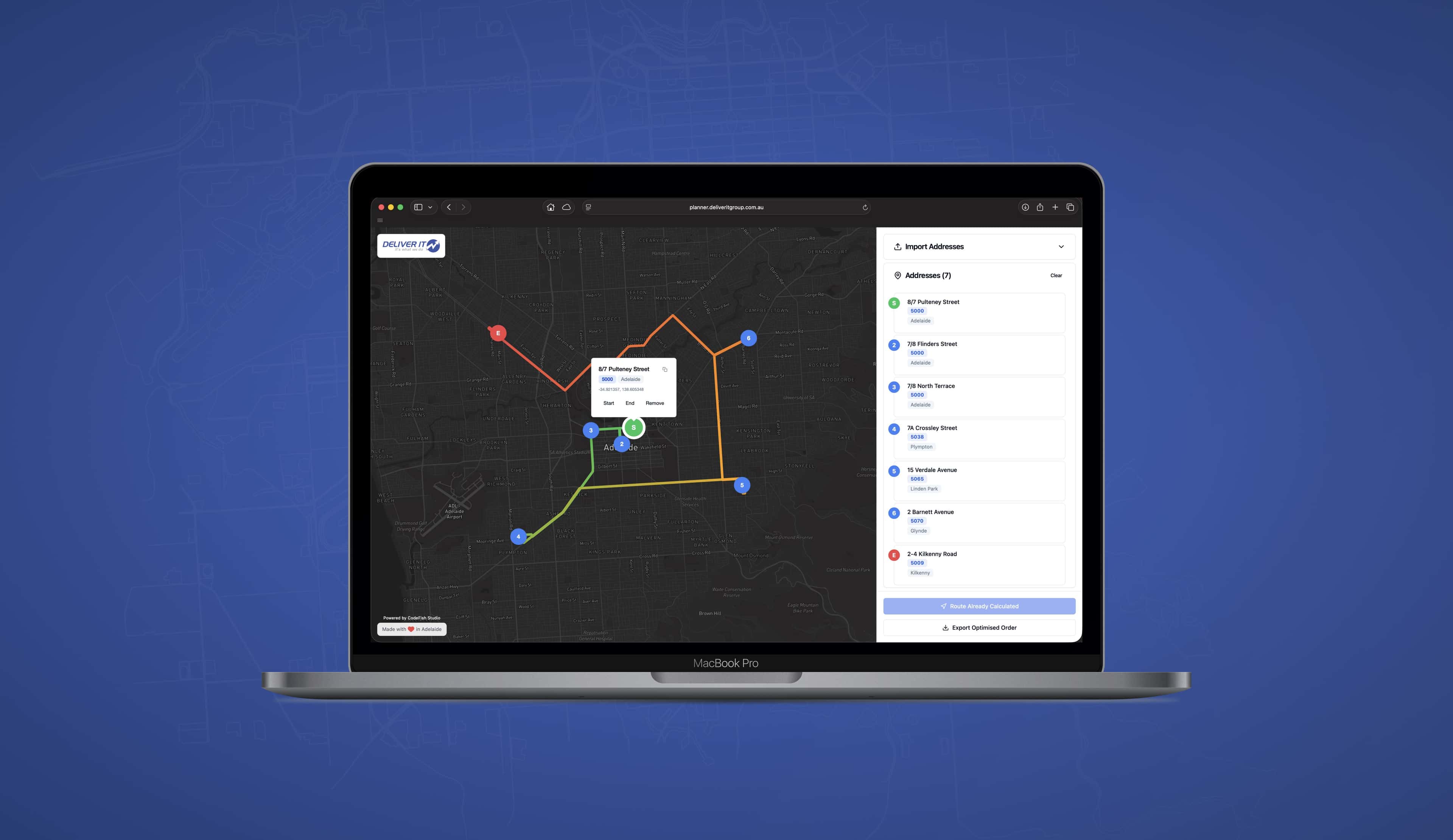
A defined build through Amplify: the integration, internal tool or automation that clears the bar first, quoted fixed-price before it starts.
Run and improve
Where the work is ongoing, Apex keeps a dedicated team on your roadmap, minimum six months, working through the list in payback order.

Transformation work we've delivered
Operators who swapped manual effort and patchy numbers for systems they trust.

Digital transformation questions we get asked
It starts with a Rapid Insight Workshop at a fixed $9,000 + GST. That covers two sessions with your team, the analysis behind them, and a ranked roadmap and business case around three weeks later. Builds after that are quoted fixed-price before they start, so you know the cost of each step before you commit to it.
We build and run what we recommend. A strategy that only has to survive a board meeting can stay vague. Ours has to survive being built by our own team, so every item comes with a cost, a payback and a clear first step.
Usually not. Most of the return comes from connecting the systems you already have, removing re-keying and agreeing one source of truth for the numbers. If a system genuinely can't support how you work, we'll say so and show the numbers behind it.
The first fix is usually chosen because it pays back fastest. Integrations and internal tools that remove manual work are often live within a few months of the workshop, not years into a program.
No. You own the roadmap and business case, and they stand on their own if you take the work elsewhere or do it in-house.